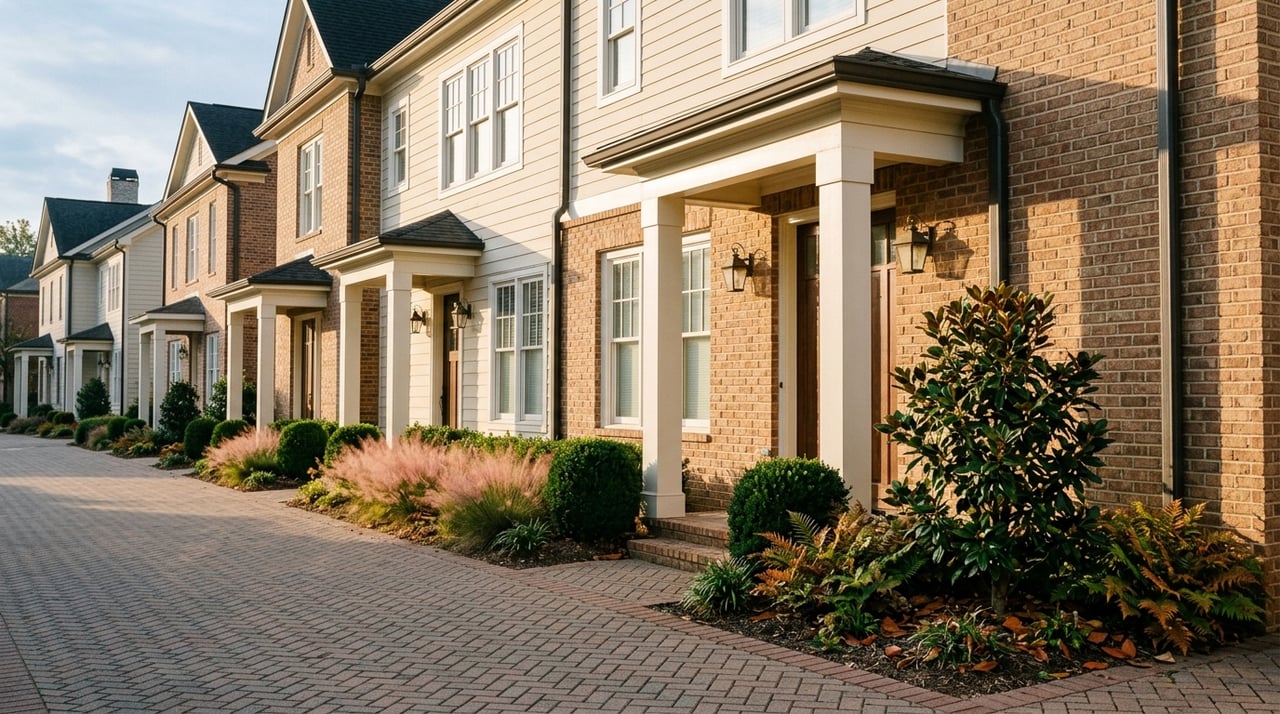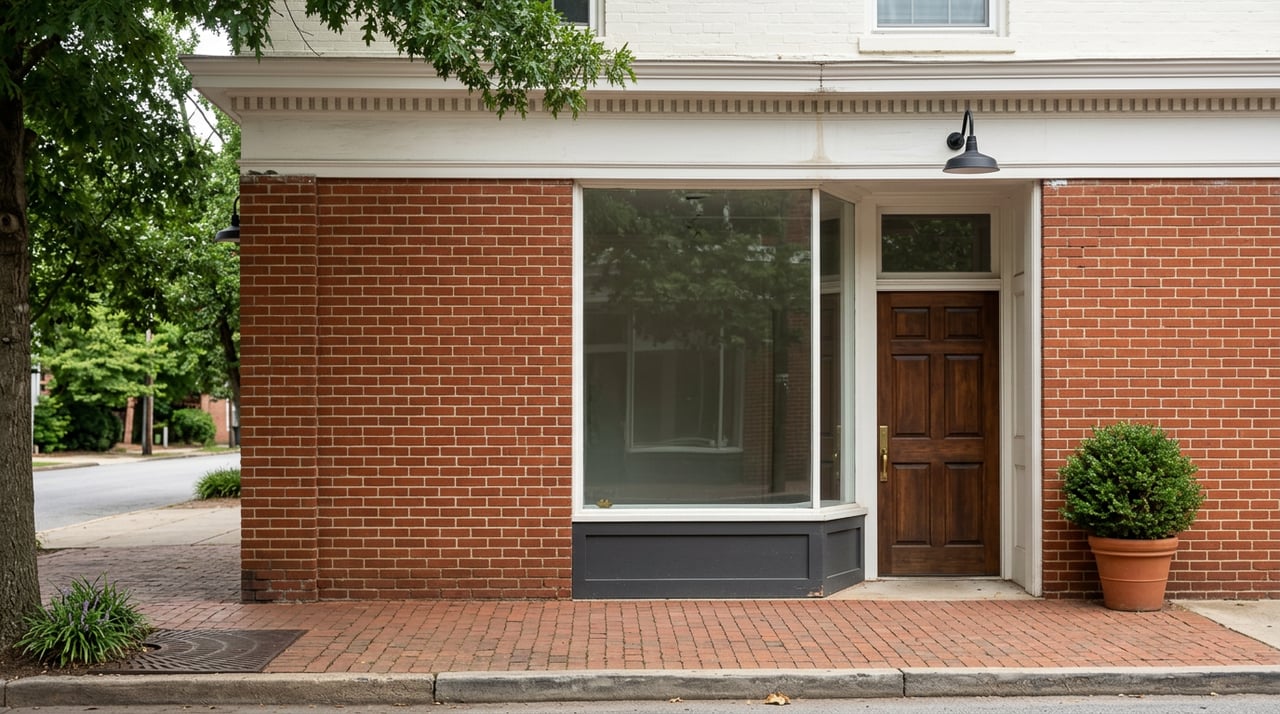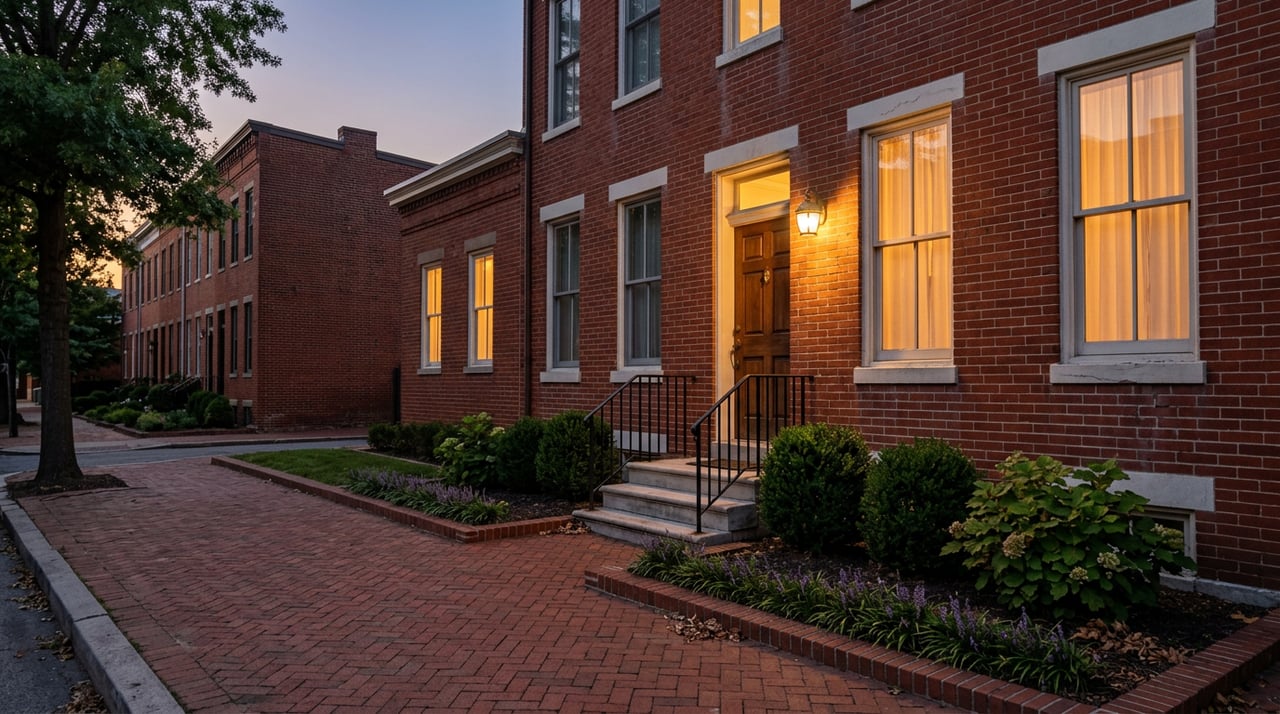
Arthur Ashe Boulevard is the street that makes the Fan and the Museum District a matched set. Wikipedia's own description of the boulevard puts it plainly: it serves as the border between Carytown and the Museum District to the west and the Fan district to the east. So when a $110 million ballpark opened on that same boulevard in April, the easy assumption was that a piece of big-league energy had landed on our actual street. Walk out the door, catch a game, walk home.
That assumption is off by about a mile, and the correction matters more than it sounds like it should.
One Street, Two Different Blocks
CarMax Park's address is 2929 North Arthur Ashe Boulevard. If you're picturing that in relation to the VMFA end of the boulevard, where the Museum District actually sits, you're picturing the wrong stretch. The people who write about minor league ballparks for a living classify CarMax Park's location plainly: it's in the Scott's Addition Historic District neighborhood in northeast Richmond, not in the Fan or the Museum District.
The team's own directions confirm the distance in a way that's hard to argue with. If you take Pulse rapid transit and get off at the Science Museum or Scott's Addition stations, the closest stops the line actually shares with our neighborhoods, you're still looking at approximately one mile of walking to reach the ballpark. A mile is a fine walk on a June evening. It is not the "steps from home" experience the shared street name implies.
Where the Real Foot Traffic Is Actually Landing
The team has been transparent about where the walking crowd is coming from, and it isn't us. Flying Squirrels Chief Operating Officer Ben Rothrock described the pattern directly, saying:
"We've seen dozens of people walking over the bridge on the Boulevard, especially with the growth of Scott's Addition."
That's the corridor doing the work, not the Fan or the Museum District's own sidewalks. The apartments filling in around Scott's Addition are close enough to stroll from. Our blocks are close enough to drive from, which changes the texture of a home game night in a specific way: instead of foot traffic passing through our streets, what we're seeing is a staging pattern. People gear up near home, then move north.
You can see the pattern in how business owners along the corridor describe the crowd, and it's telling that none of them talk about foot traffic from our side of the boulevard. Moore Street Cafe, which has anchored its stretch of the route for nearly a decade, has become a pregame ritual stop. Co-owner Charlie Hughes told a local station the room fills with fans in Squirrels gear before they head north to the park, and the cafe now runs a game-day item called the Squirrels Nest, tater tots topped with cheesy eggs and sausage gravy, built specifically around that crowd. Pinky's, another name on regular rotation along that stretch, described the stadium the same way. Chef-owner Steve Deraffele called it one more landmark building excitement in an area that's been growing wildly, rather than a place his regulars are walking to from home.
Newer spots closer to the ballpark tell the same story. Boulevard Burger & Brew and Toast both stocked extra food and expanded staffing ahead of Opening Day, anticipating fans fueling up before and after games. Boulevard Burger & Brew's assistant general manager, Logan Jones, said the stretch was bracing to stay busy well past opening weekend.
What this adds up to, four months into the season, is a corridor effect rather than a walkability effect. The businesses cashing in sit along the route between our neighborhoods and the ballpark, not inside the Fan or Museum District's own commercial strips. The ballpark itself is still a Scott's Addition experience once the first pitch is thrown.
The Night the Fireworks Went the Wrong Direction
If you were near the boulevard on a recent postgame night and heard something that sounded more like a malfunction than a celebration, you weren't imagining it. Late last month, a Roman candle tipped over during the postgame fireworks show and sent shells into the crowd instead of up into the sky. The team's response was immediate and specific: postgame fireworks are now launched from the old Diamond, still standing just beyond CarMax Park's outfield, rather than from the new park itself, while safety protocols are reviewed.
That's a small operational detail, but it's the kind of thing that only makes sense if you already know the layout. The Diamond hasn't been demolished yet. It sits directly behind CarMax Park's left field, close enough that the team could shift the entire fireworks operation there within days. If a boom on a game night sounds like it's coming from a slightly different angle than it used to, that's why.
Fewer Home Dates Than the Marketing Suggests
It's worth being honest about scale here too. Squirrels General Manager Anthony Oppermann has described CarMax Park's ambitions well beyond baseball, with hopes for concerts and conferences filling out a calendar that goes far past the sport itself. But fewer than 70 dates are actually reserved for Squirrels games in 2026, which means for most of the calendar year, the corridor between us and Scott's Addition isn't dealing with game traffic at all.
The surrounding development that's supposed to eventually make this a full neighborhood in its own right also hasn't caught up yet. The apartments planned beyond right field are under construction. The retail strip slated for left field and the hotel planned behind third base hadn't broken ground as the park began hosting games this spring. For now, what surrounds CarMax Park on non-game days is mostly the same parking lots the Diamond has used for decades, plus a lot of visible construction equipment. The live-work-play version of this corridor is still a few years out.
None of this diminishes what's actually happening on the field. The Flying Squirrels had already led all 30 Double-A clubs in total and average attendance for the fourth consecutive year in 2025, before the new park opened, so the demand here isn't a novelty effect. Opening weekend simply gave that existing demand a bigger container: a sellout crowd of 9,585 on April 7, another announced crowd of 9,186 on April 11, and an average attendance of 8,235 for that first homestand, the highest of any of the 120 Minor League Baseball clubs nationally that week.
What Actually Changes on a Home Game Night
If you live in the Fan or the Museum District, here's what a home date actually means for your evening, based on what's held true this season:
- Parking pressure lands on the Diamond's existing lots, the same ones this neighborhood has watched fill up for baseball since before the new park existed. A new deck hasn't been built yet.
- If you're walking, plan for the real distance. A mile from the nearest shared Pulse stop is close to twenty minutes each way, not a quick stroll before first pitch.
- Postgame fireworks now come from the direction of the old Diamond rather than CarMax Park itself, so the sound and timing may not match what game nights used to look like before the mishap in July.
The Actual Takeaway
The story worth knowing here isn't that a shiny new ballpark opened on our street. It's that sharing a street with a stadium and sharing a neighborhood with one are different things, and the businesses along Arthur Ashe Boulevard that are thriving right now, Moore Street Cafe, Pinky's, Boulevard Burger & Brew, Toast, are proving that a corridor can benefit from proximity without becoming part of the destination itself. That's a useful distinction if you're trying to understand what your own block will and won't feel like on a Tuesday night in September.
If you're curious how this same stretch of the boulevard is shifting on the Museum District side, our recent look at VMFA's fall groundbreaking covers the other half of this corridor's change. And if you want the fuller picture of what a normal weekend here looks like away from any of this, our guide to the Fan and Museum District is a good next stop.
We watch these blocks closely because we live and work here too. If you ever want to talk about what's actually happening on a specific street, not just the headline version, reach out to the Chris Small Group and schedule a private consultation.