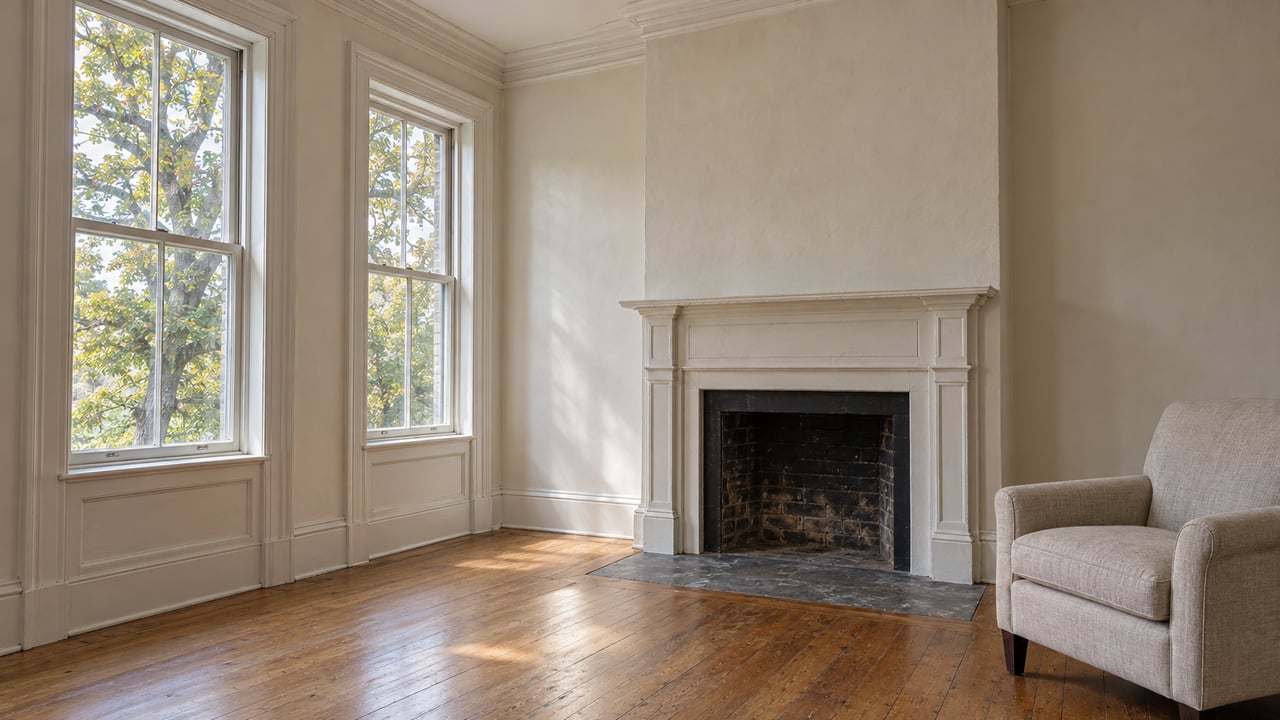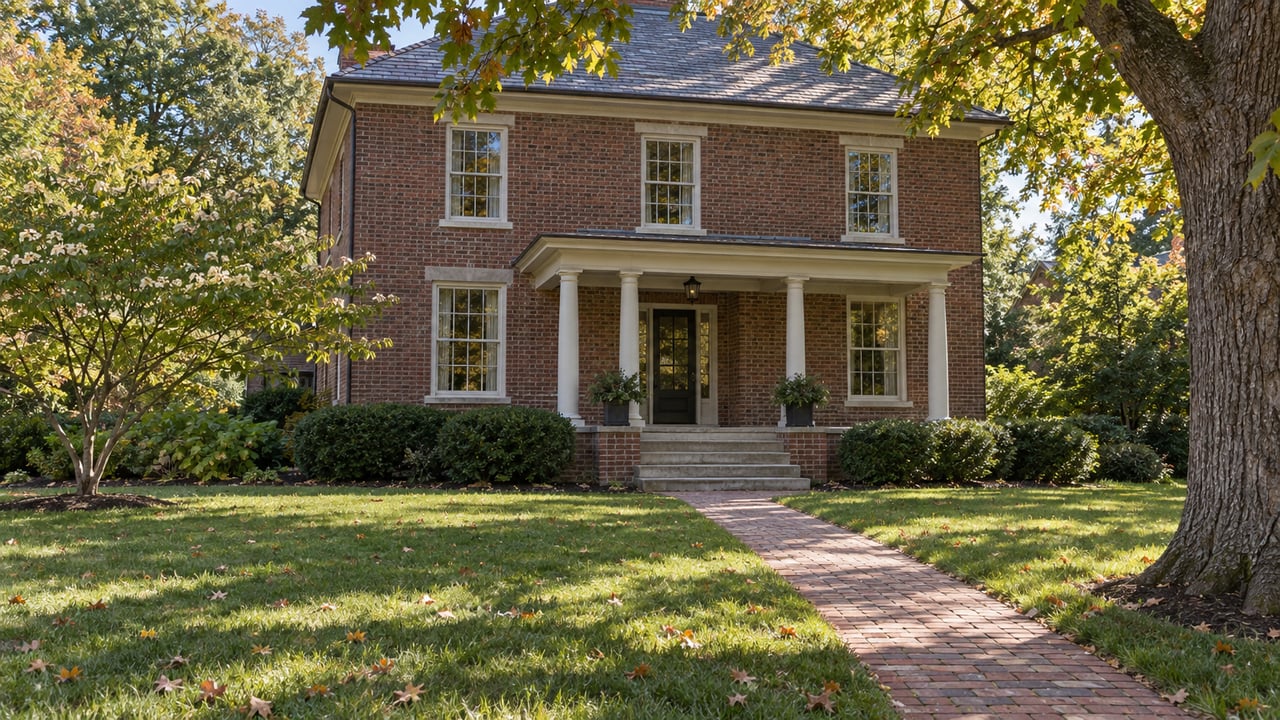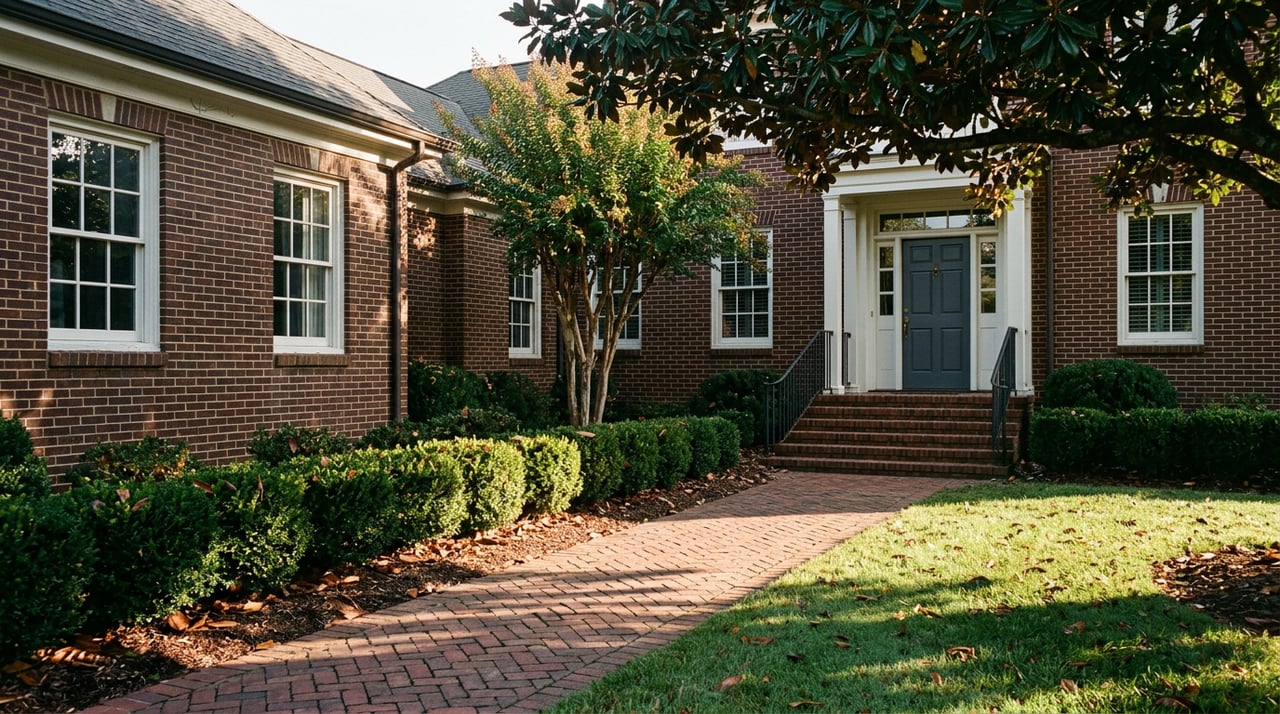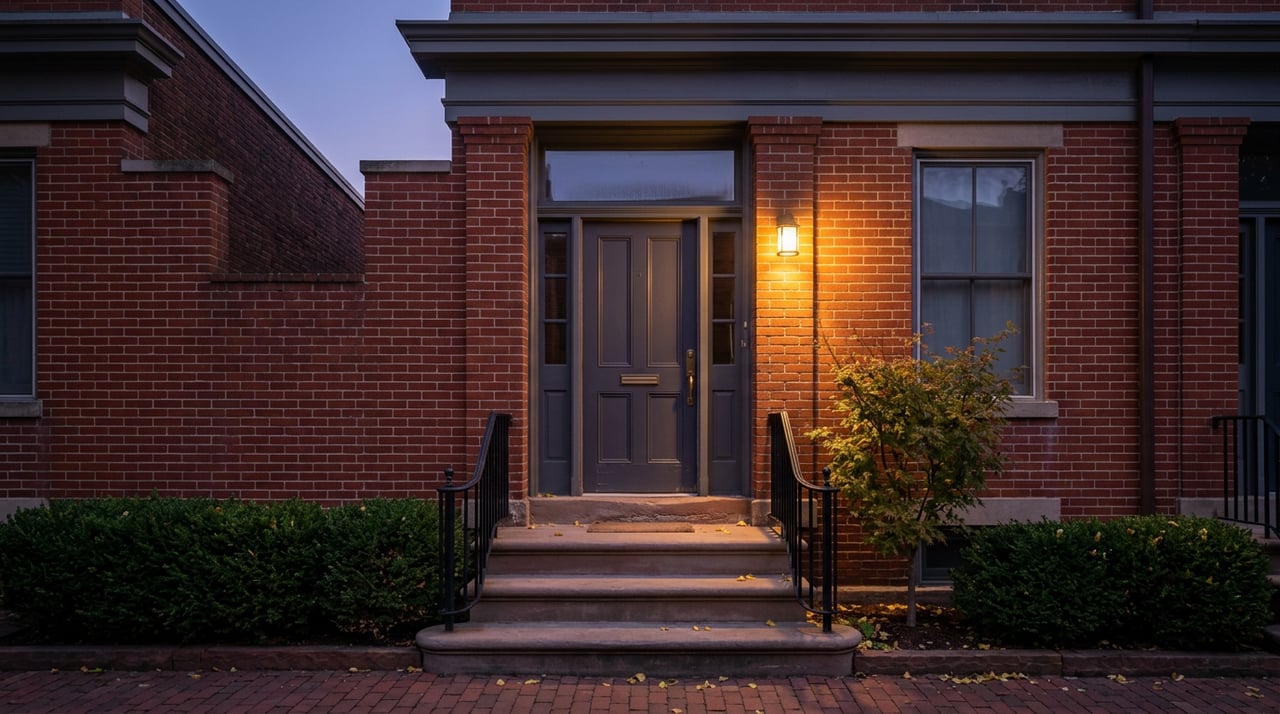
Ask a longtime Fan resident to describe West Avenue and they'll reach for the same words they'd use for Monument Avenue a block over: brick rowhouses, deep porches, a canopy of willow oaks, the kind of streetscape that ends up on a postcard. The two streets share an architect's eye and a builder's era. What they don't share is a city ordinance.
Monument Avenue is one of only three streets in the entire Fan that carries a City of Richmond Old and Historic District designation. West Avenue isn't one of them. That single fact changes what a homeowner can do to their front porch, how long a window replacement takes, and how a seller should think about pre-listing renovation math. It's the kind of detail that never shows up in a listing description, and it's worth understanding before you write a renovation check on either street.
Same Fan, Different Rulebook
The Fan District Association says it plainly on its own historic preservation page: while Monument Avenue, West Grace Street, and West Franklin Street have been designated Old and Historic Districts, the vast majority of the Fan is not covered by that local overlay. West Avenue, despite sitting inside the Fan Area Historic District that made the National Register of Historic Places in 1985, falls into that uncovered majority.
That distinction between a National Register listing and a City Old and Historic District isn't a technicality. Historic Richmond's own explainer draws the line clearly: the National Register is a federal and state designation that carries no restrictions on the property, while a City Old and Historic District is a local designation that does carry restrictions on exterior alterations and new construction. Monument Avenue's National Historic Landmark status, confirmed in the district's 1969 National Register listing and later expanded, sits on top of that local overlay. West Avenue's does not.
A house can be listed on the National Register and still be free of any city design review. Monument Avenue has both layers. West Avenue has only the honorary one.
What Actually Requires a Hearing
If your address sits inside one of Richmond's true Old and Historic Districts, the Commission of Architectural Review has jurisdiction over any exterior change visible from a public right of way. The commission meets on the fourth Tuesday of each month, and a Certificate of Appropriateness has to be issued before any other building permit gets pulled. Recent filings reviewed by the commission give a sense of how granular this gets. Owners have come before the board for things like:
- Changing an exterior color scheme, down to specific Sherwin-Williams shades for body, trim, and porch floor
- Replacing or adding a fence, which has to match the commission's approved color palette
- Installing exterior storm windows over original sash
- Adding a rear accessory dwelling unit in an approved color
- Installing rooftop HVAC equipment
None of that is optional if you're inside the designated boundary. The commission bases its decisions on the Secretary of the Interior's Standards and Richmond's own Design Review Guidelines, and a homeowner on Monument Avenue who wants to swap a broken sash window for something more energy efficient is required to stay with wood or wood-clad replacements that match the original profile. Vinyl generally isn't an option on a primary facade.
A homeowner on West Avenue doing the same swap answers to the standard city building permit process and their own judgment, not a design review board.
What This Changes in a Renovation Budget
The dollar figures make the asymmetry concrete. A full window replacement project on a Richmond rowhouse, using wood windows priced between roughly $1,100 and $2,800 per window plus installation labor of $250 to $550 per window, runs somewhere between $18,000 and $65,000 for an entire home of 25 to 30 windows. That range applies whether the house sits on Monument Avenue or West Avenue. What doesn't apply evenly is the timeline sitting on top of it.
For a property inside a designated district, add a Certificate of Appropriateness review that typically runs four to eight weeks before the standard building permit and manufacturing lead time even start. A homeowner planning to replace windows ahead of a spring listing needs to be submitting paperwork to the commission by late fall, not shopping contractors in March. Miss that window and the project either gets rushed through with a late submission or pushed past the listing date entirely.
On West Avenue, that same project skips the design review step. The permit and manufacturing clock still runs, but there's no commission calendar to work around and no palette of approved paint colors to match before a contractor can start.
The Median Price Doesn't Show You This
As of July 2026, the Fan District's median sale price for single-family homes sits at approximately $595,000, with renovated properties commanding $290 to $375 per square foot. That figure covers everything from unrenovated rowhouses in the $380,000 to $450,000 range up through fully restored homes on premium blocks that clear $1 million. Two houses at nearly identical price points, one block apart, can carry very different renovation cost profiles once you factor in whose exterior work needs a hearing and whose doesn't.
West Avenue's own character adds a layer the price sheet won't capture either. Residents there maintain their own version of Fan social life, including a West Ave Garden Club and an annual Halloween gathering, the kind of block-level cohesion that shows up in listing remarks more than in county tax records. It's a reminder that "the Fan" isn't one uniform market. It's a set of blocks with overlapping but distinct rules, priced by buyers who mostly assume the rules are the same everywhere.
How to Check Before You Assume Either Way
Don't take a street name as proof of designation status in either direction. The Commission of Architectural Review publishes boundary maps for each of its districts, including one specifically for the Monument Avenue Old and Historic District, on the city's planning and development review page. If you're weighing a renovation on any Fan property, that's the first place to confirm whether your specific address falls inside a designated boundary or outside it. A quick call to the city's Department of Planning and Development Review or a conversation with an agent who works these blocks regularly will settle it faster than guessing from curb appeal.
Common Questions
If my street is on the National Register, does that mean I need city approval for exterior work? Not by itself. National Register listing, which covers the entire Fan Area Historic District, is a federal and state honor with no restrictions attached. Only City Old and Historic District designation, which applies to Monument Avenue, West Grace Street, and West Franklin Street within the Fan, triggers the Certificate of Appropriateness requirement.
Does interior renovation ever require CAR approval? No. The commission's authority extends only to exterior changes visible from a public right of way. Kitchen and bathroom remodels, structural work behind the front facade, and most interior systems upgrades fall outside its scope regardless of which street you're on.
How far ahead should I plan if my property is inside a designated district? Budget four to eight weeks for Certificate of Appropriateness review before your building permit can even be submitted, on top of normal permitting and manufacturing timelines for materials like custom wood windows. For a spring listing, that often means starting the paperwork the previous fall.
Whether you're preparing a West Avenue rowhouse for market or weighing what a Monument Avenue renovation will actually cost in time and materials, the details matter as much as the architecture. If you want a clear read on what your specific block allows and what it doesn't, Chris Small Group has spent decades walking these exact streets with sellers and renovation-minded buyers. Schedule a private consultation before you commit to a timeline the city hasn't agreed to yet.