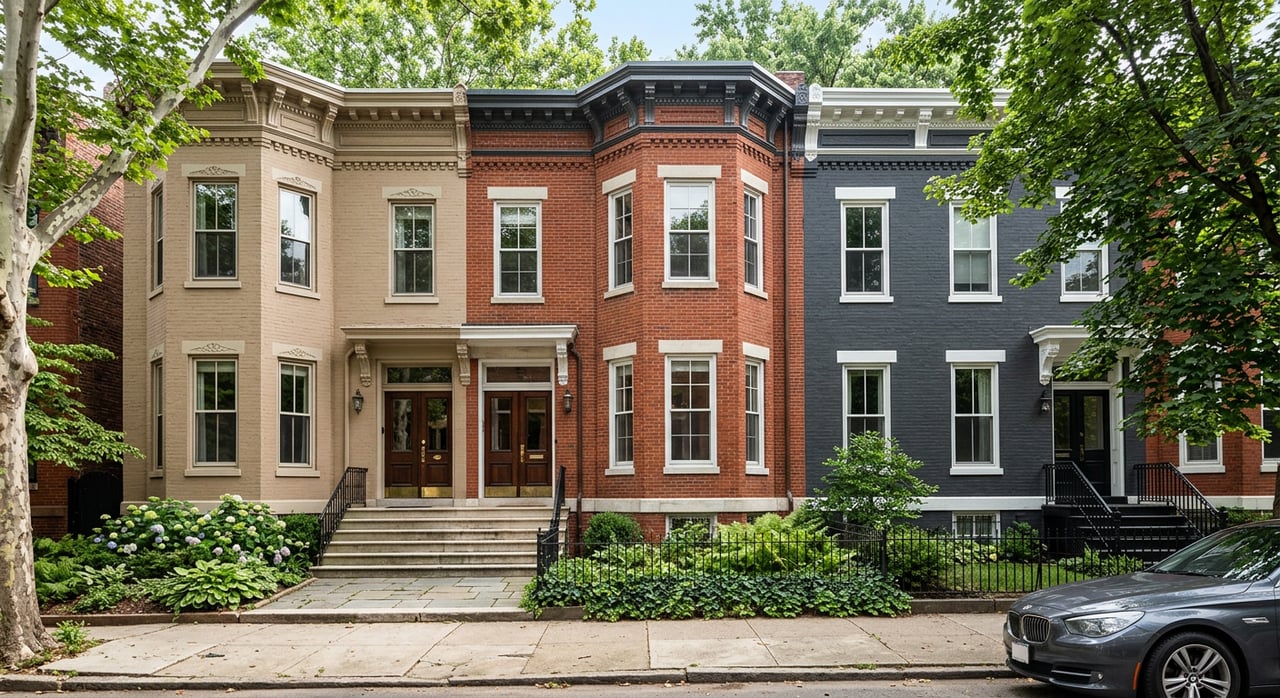
Trying to choose between a condo and a row house in Richmond’s Fan or Museum District? You’re not alone. These neighborhoods offer some of the city’s most loved architecture and walkable streets, but the day-to-day experience differs by housing type. In this guide, you’ll learn how costs, maintenance, rules, outdoor space, parking, and resale compare so you can match your choice to your lifestyle and budget. Let’s dive in.
Fan and Museum at a glance
Step onto a block in the Fan and you’ll see why it is listed as the Fan Area Historic District on the National Register of Historic Places, with long runs of intact brick facades, stoops, and tree-lined streets. The Museum District, immediately west, balances Tudor and Revival townhouses with classic apartment conversions and anchors cultural destinations like the Virginia Museum of Fine Arts; its neighborhood association highlights a long preservation tradition and steady, pragmatic growth. For historical context, explore the documented Fan Area Historic District nomination and the Museum District’s neighborhood history.
Market-wise, public reports show the Fan and Museum Districts trading above the city median, with recent neighborhood medians in the low-to-mid $600k range. These central, walkable areas are consistently competitive, and buyers should expect active interest on well-priced listings. Recent coverage also places Richmond among the nation’s stronger markets, which supports liquidity for well-prepared properties in these neighborhoods. See a snapshot of that trend in this report on hot markets.
Condos vs row houses: what you get
Condos in the Fan and Museum Districts
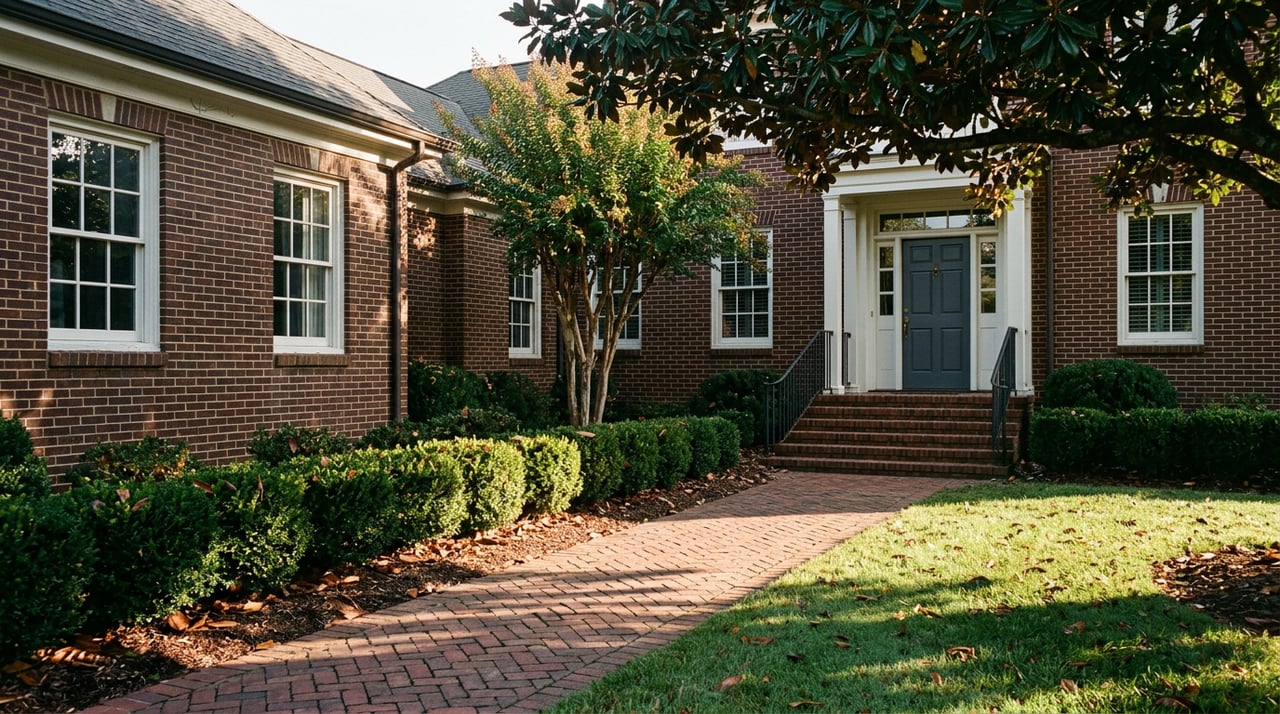
Condos here range from one-off conversions in charming buildings to purpose-built mid-rises and townhouse-style communities. You typically gain a lock-and-leave setup, shared exterior maintenance, and sometimes a dedicated parking space or building amenities. The tradeoff is less private outdoor space and rules that govern what you can change on the exterior. Pricing varies widely by size, condition, parking, and location, with smaller units often listed below neighborhood medians and larger, renovated homes trading higher.
Row houses in the Fan and Museum Districts
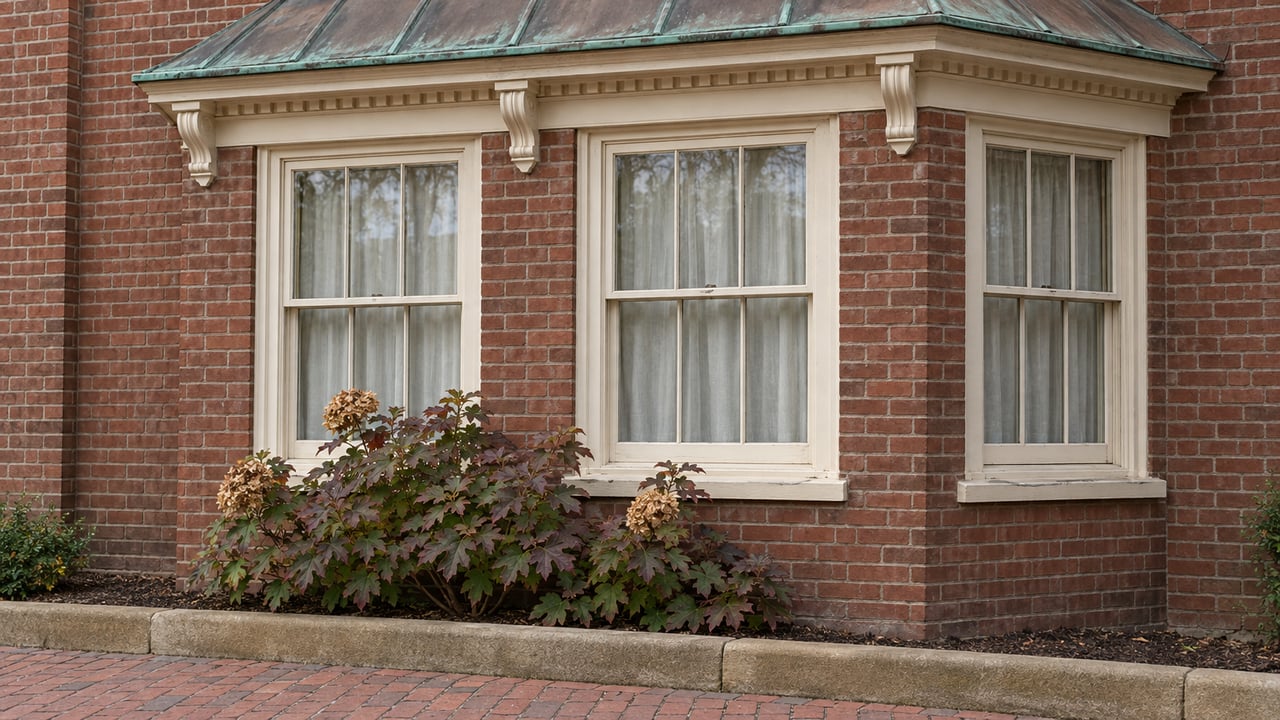
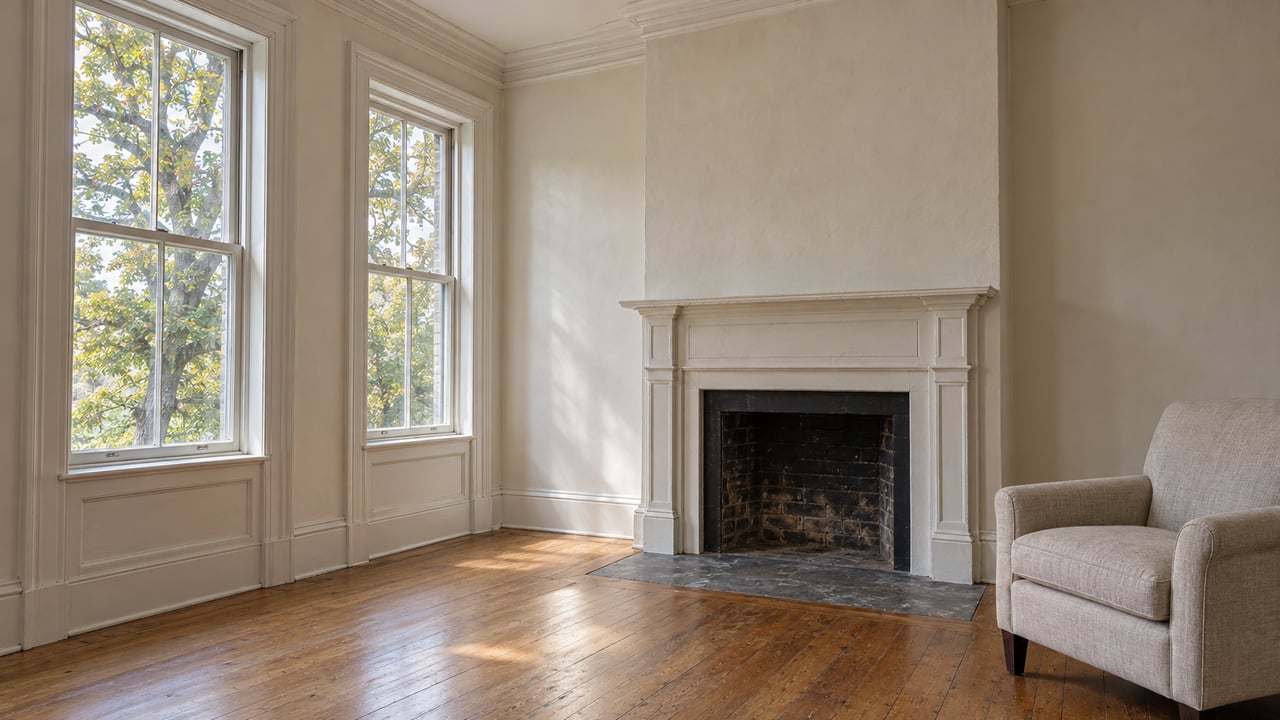
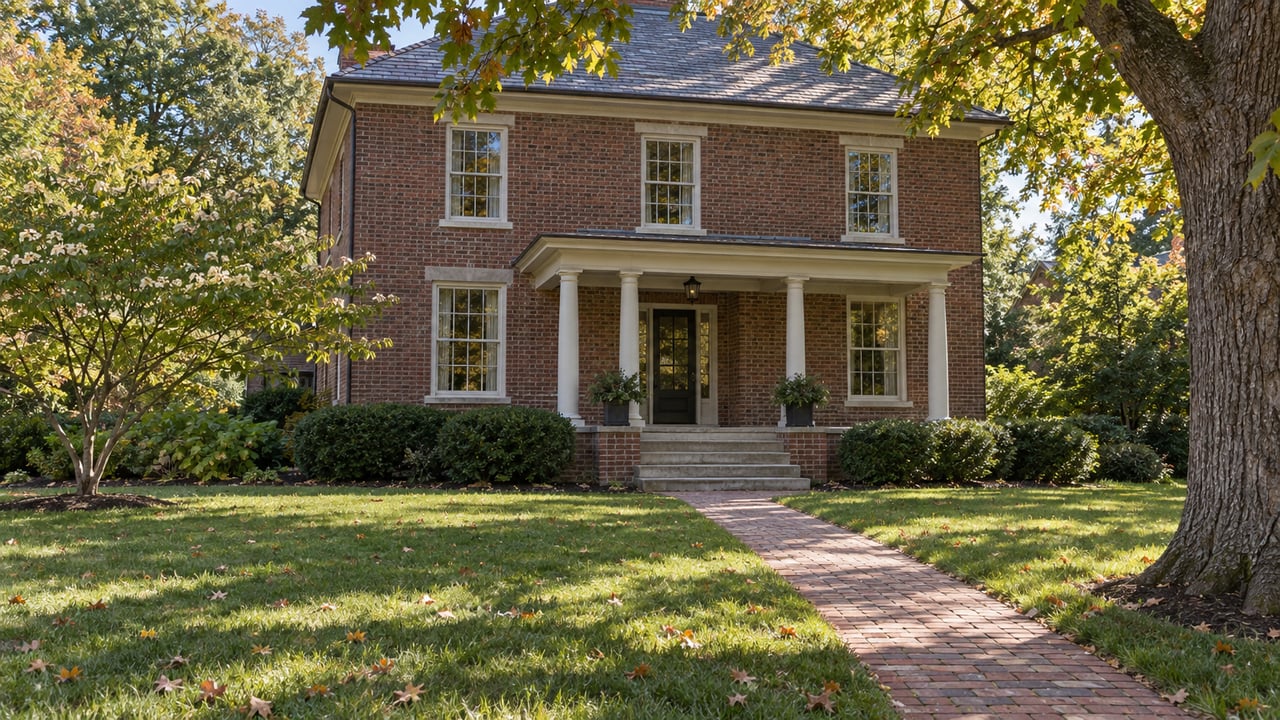
Row houses are the classic local product: attached brick homes, often 2 to 4 stories, built from the 1880s to the 1930s with stoops, tall windows, and period details. Many include basements and rear alley access, with small backyards and, in some cases, a garage or parking pad. Interiors range from preserved floor plans to fully modernized layouts. You’ll control your own exterior, but you’ll also own the maintenance for roofs, porches, masonry, and windows, which can require ongoing investment.
Monthly costs and maintenance
Purchase price context
As a starting point, neighborhood medians in the Fan and Museum Districts sit roughly in the $600k to $660k range, but individual listings can be well below or above those figures. Condos show the widest spread, from compact studios to large, renovated homes in premium locations. Always lean on current MLS comparables for specific pricing, since size, parking, and condition drive meaningful differences within a few blocks.
HOA dues and what they cover
Condo association dues vary by building and amenities. Representative examples in Richmond range from the low $200s per month to $400 or more, with amenity-heavy buildings typically higher. Dues often include exterior maintenance, grounds and common areas, a master insurance policy, and often water and trash. Review the full association package to see the budget, reserve studies, recent minutes, and any planned assessments so you can calculate your true monthly carrying cost.
Property taxes: quick math
Richmond’s real estate tax rate is currently set at 1.20 dollars per $100 of assessed value. To estimate your annual bill, multiply the assessed value by 0.012. For example, an assessed value of $650,000 would yield an estimated tax of about $7,800 per year. Confirm the current assessment for the specific property and review any exemptions or changes noted in the city record; see the adopted rate in the city’s ordinance record.
Utilities, insurance, upkeep
- Condos: You usually pay interior utilities and an HO-6 policy for contents and interior finishes. The association’s master policy covers the building shell and common areas as defined in the governing documents. Compare the master policy and HO-6 requirements so you understand gaps and deductibles.
- Row houses: You carry all utilities and full exterior upkeep. That can mean lower fixed monthly dues but larger, less predictable capital expenses like roofs, masonry repointing, porch and window work, and foundation repairs. Historic homes sometimes require specialized trades, so plan for a proactive maintenance budget.
Outdoor space and parking
Private yards vs balconies
Row houses most often offer a small private backyard, sometimes with alley access. Condos may provide balconies, patios, or shared courtyards, but rarely a private yard. If private outdoor space is a must, focus on row houses or townhouse-style condos with ground-level outdoor areas.
Parking and permits
Off-street parking varies block by block. Some row houses include a rear parking pad or garage, while others rely on street parking. The Fan is covered by a Residential Parking District with permits for residents, and other zones have time limits and posted rules. Before you write an offer, confirm whether a condo conveys a deeded or assigned space, and review the city’s Parking Enterprise guidance for permit districts and visitor policies.
Renovation rules and timelines
Historic district approvals
Both neighborhoods include areas with local historic overlays and a formal review path for exterior work. Richmond’s Commission of Architectural Review oversees Certificates of Appropriateness for visible exterior changes in Old & Historic Districts, covering items like windows, porches, rooflines, and facades. Interior work typically follows standard building permits, but exterior changes that affect the streetscape often require application, review, and written approval, which adds time and cost. Start with the Fan’s documented character in the historic district nomination and review the city’s administrative regulations draft for process details.
Cost planning and surprises
Historic properties can hide aging systems, older wiring or plumbing, and structural needs that only surface during inspections or demolition. As broad planning guidance, full-scope renovations can run in the low hundreds per square foot depending on scope and finish level, while kitchens and baths tend to be the most expensive rooms. Local bids and a pre-purchase inspection are essential before you commit. For a high-level breakdown of renovation components, review this renovation cost overview.
Lifestyle fit and resale
Who tends to choose condos
Condos appeal to buyers who want lower exterior maintenance, a lock-and-leave setup, and potential building-level perks like elevators or secure entries. Smaller condos can also be a price-friendly entry into these neighborhoods. The tradeoffs are monthly dues and association rules that shape how you can use and modify the property.
Who tends to choose row houses
Row houses fit buyers who value historic character, more interior space across multiple levels, and a small private yard. You gain more autonomy over your home, especially inside, along with the potential to customize over time. The commitment is ongoing maintenance and, in many cases, a formal path for exterior approvals.
Resale factors to watch
Neighborhood demand and walkability support healthy resale in both areas, but product-specific details matter most. For condos, association governance, reserves, building condition, and rental policies strongly influence value. For row houses, land, architectural character, and block-level comparables tend to drive outcomes. Richmond’s recent recognition as a strong market adds tailwinds for well-prepared listings; see the market context in this coverage.
Due diligence checklist
- Confirm price context with recent MLS comparables for the specific block and property type.
- For condos, request the full association package: budget, reserves, meeting minutes, master insurance, bylaws, rental rules, and any pending or recent special assessments.
- For row houses, order a thorough inspection emphasizing roof, foundation, HVAC, wiring, plumbing, and masonry. Ask for maintenance records and system ages.
- Verify parking: deeded or assigned spaces for condos, and permit district rules for the block. Review the city’s Parking Enterprise page.
- If you plan exterior changes, check whether the property lies in a local Old & Historic District and review the city’s approvals process.
- Compare insurance: condo master policy vs HO-6, and for row houses, full structure coverage. Ask lenders about underwriting for older structures or non-standard construction.
How the Chris Small Group helps
You deserve a clear, confident path to the right home in these historic neighborhoods. Our team specializes in architecturally significant properties in the Fan and Museum Districts, pairing deep neighborhood knowledge with a disciplined, marketing-first approach. For buyers, we help you pressure-test costs, association health, renovation timelines, and parking realities before you commit. For sellers, we prepare and position your home with staging, professional media, and a calibrated launch that attracts qualified buyers and supports premium pricing.
If you’re weighing a condo against a row house, let’s map your lifestyle needs against the right property type, block by block. Schedule a conversation with the Chris Small Group to chart next steps.
FAQs
Which has higher monthly costs: a condo or a row house in the Fan or Museum District?
- It depends on the property, but condos add monthly dues that often cover exterior maintenance and a master insurance policy, while row houses avoid dues yet carry more variable exterior upkeep and capital repairs.
How do parking permits work in the Fan?
- The Fan is covered by a Residential Parking District with posted limits; residents can apply for permits and decals to park beyond time restrictions, as outlined on the city’s Parking Enterprise page.
Do I need approval to replace windows or a porch on a Fan row house?
- If the property sits in a designated historic overlay, visible exterior changes usually require a Certificate of Appropriateness through the Commission of Architectural Review; review the city’s regulations and plan extra time.
What do condo fees usually include in these neighborhoods?
- Dues commonly cover exterior and common-area maintenance, grounds, a master insurance policy, and often water and trash; request the association budget, reserve study, and minutes to understand coverage and any upcoming assessments.
How are Richmond property taxes calculated for a home in the Fan or Museum District?
- The current rate is 1.20 dollars per $100 of assessed value; multiply the assessed value by 0.012 for an estimate and confirm the latest assessment on record, as detailed in the city’s ordinance record.
Can I find a condo with outdoor space in the Fan or Museum District?
- Yes, but options are limited; look for ground-level or townhouse-style condos with patios or small yards, or units with balconies or shared courtyards if a private yard is not essential.