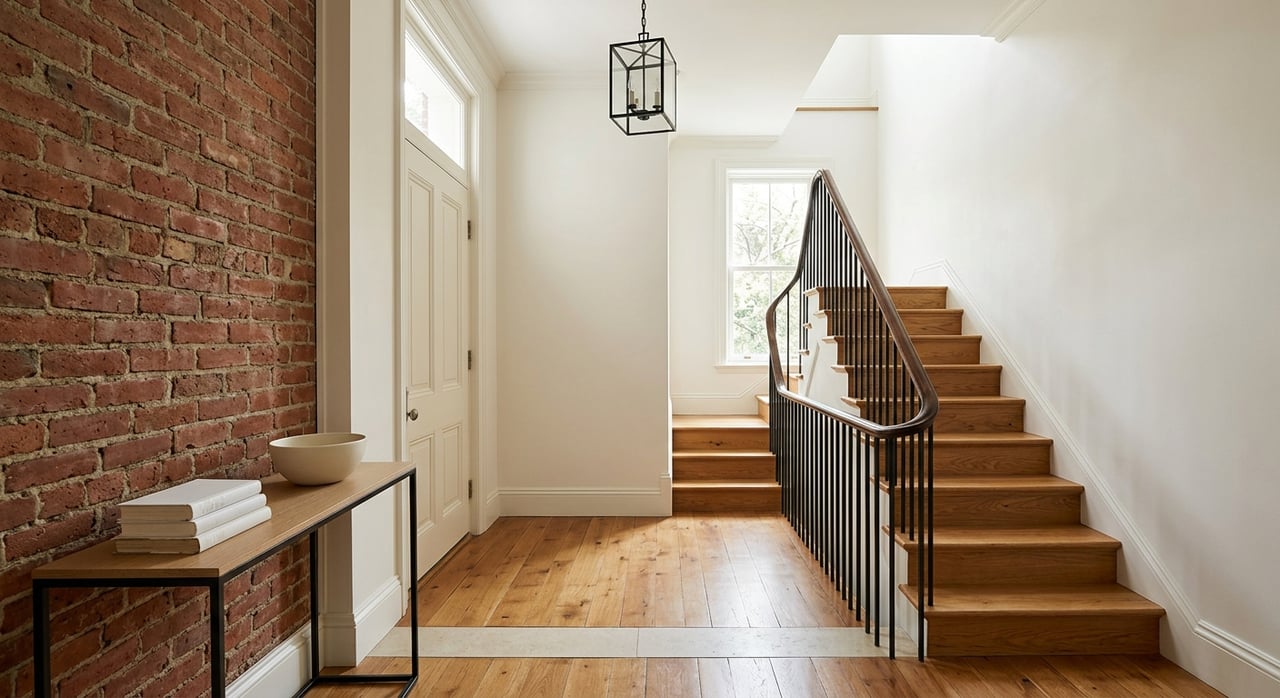
Thinking about renovating a Church Hill rowhouse? It can be one of the most rewarding ways to put your stamp on a historic Richmond home, but it rarely works like a standard remodel in a newer property. Between preservation review, permit timing, old-house surprises, and budget choices that affect long-term value, there is a lot to plan for before the first wall is opened. If you want a clearer picture of the process, costs, and common pitfalls, this guide will walk you through what to expect. Let’s dive in.
Why Church Hill renovations are different
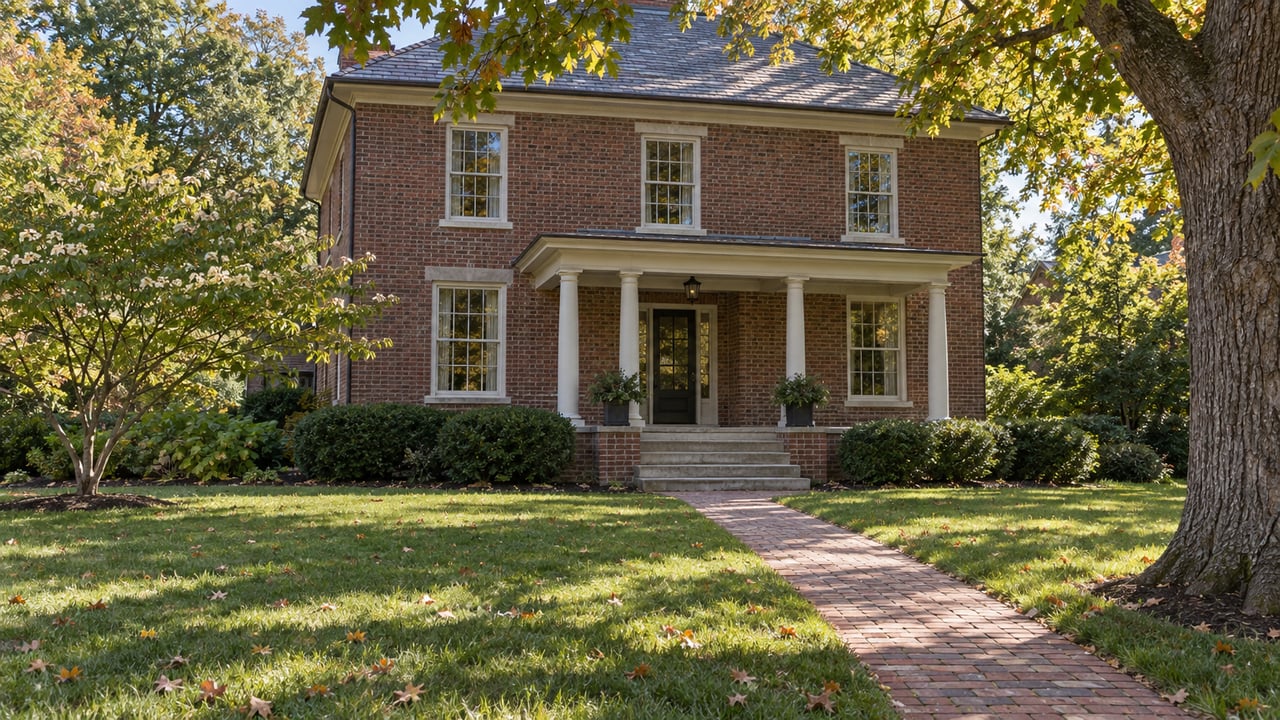
Church Hill is not just another older neighborhood. It sits within one of Richmond’s most historically layered areas, with the city’s first Old and Historic District created in 1957 around St. John’s Church. The broader area includes a mix of early 19th-century dwellings, later infill, attached homes, detached houses, and rowhouses that give the neighborhood its distinct character.
That historic character shapes renovation decisions in a very real way. In Church Hill, the key question is not simply how you want to update the home, but whether the property falls within a local Old & Historic District overlay. That local designation is what can trigger city preservation review for exterior work.
It is also important to understand that a National Register or Virginia Landmarks Register listing is not the same thing as local review. Those designations do not automatically impose Richmond’s local historic-review requirements. Because the city maintains separate maps for local historic districts and National Register districts, parcel-level verification matters before you finalize plans.
Check historic district status first
Before you budget finishes or call contractors, confirm exactly what kind of historic designation applies to the property. A Church Hill home may be subject to local Commission of Architectural Review oversight, state or federal register status, or some combination of the two. That difference affects your approvals, your timeline, and sometimes your renovation strategy.
For buyers, this step is especially important during due diligence. A house that looks ready for quick exterior changes may require review if those changes are visible from a public street or alley. Knowing that early can help you avoid expensive redesigns later.
How CAR review affects your project
If your rowhouse is in a City Old & Historic District, the Commission of Architectural Review, often called CAR, reviews exterior changes visible from a public street or alley. CAR issues Certificates of Appropriateness and bases decisions on the Secretary of the Interior’s Standards along with Richmond’s handbook and design guidelines.
That does not mean every project goes through a long public process. Some smaller items may be approved administratively by staff. According to the city, examples can include painting, replacement doors and porch decking, new handrails and porch rails, porch roof replacements, and exterior storm windows and doors.
The larger point is that exterior work should never be treated as an afterthought in Church Hill. If you are changing windows, porch elements, roofing appearance, railings, or anything visible from the street, review requirements may affect both design and timing.
CAR timing matters
CAR meets on the fourth Tuesday of each month, except in December. Applications must be filed by the relevant deadline to make the agenda. If you miss that window, your project may wait until the next meeting cycle.
That monthly cadence can create pressure if you are trying to close on a house and start work quickly. It also matters when contractor schedules are tight. A smart renovation plan in Church Hill builds this review timeline in from the start rather than hoping approvals fall into place later.
Permits take planning too
Historic review is only one part of the process. Richmond requires a building permit before new construction or alterations begin. The building permit covers the structural portion of the project, while electrical, mechanical, and plumbing work require separate trade permits.
Permit review can involve multiple city departments, including zoning, planning and preservation, land use, public works, utilities, and code enforcement when applicable. Current city guidance says online submittal review is typically 3 to 5 business days, some permit applications may take 2 to 3 weeks, and more complex plan reviews can take longer depending on project size and complexity.
Inspections are scheduled by day rather than by a precise time. If you are managing a rowhouse renovation with several trades working in sequence, that can affect how smoothly the job moves. In practice, Church Hill projects often require patience and careful coordination more than speed.
Common issues inside older rowhouses
Most Church Hill rowhouses come with a level of hidden condition risk that buyers should expect, not fear. These homes can be beautifully built, but they are old, and older construction often reveals surprises once work begins.
The most common issues usually involve masonry, moisture, windows, roofing details, plaster, insulation decisions, and lead-based paint. The right approach is not to assume the worst, but to budget for discovery and sequence the work carefully.
Masonry problems often come first
Historic brick is one of the first places to look. The National Park Service notes that brick buildings are vulnerable to cracking from settlement, moisture variation, thermal movement, and stress around openings. In a Church Hill rowhouse, that means a cosmetic brick refresh should never come before a real assessment of condition and drainage.
Repointing also needs care. Improper mortar can damage historic brick, especially if the mortar is too hard or the joint profile does not match the original. If masonry work is on your list, use contractors who understand compatibility, not just appearance.
Windows are a major decision point
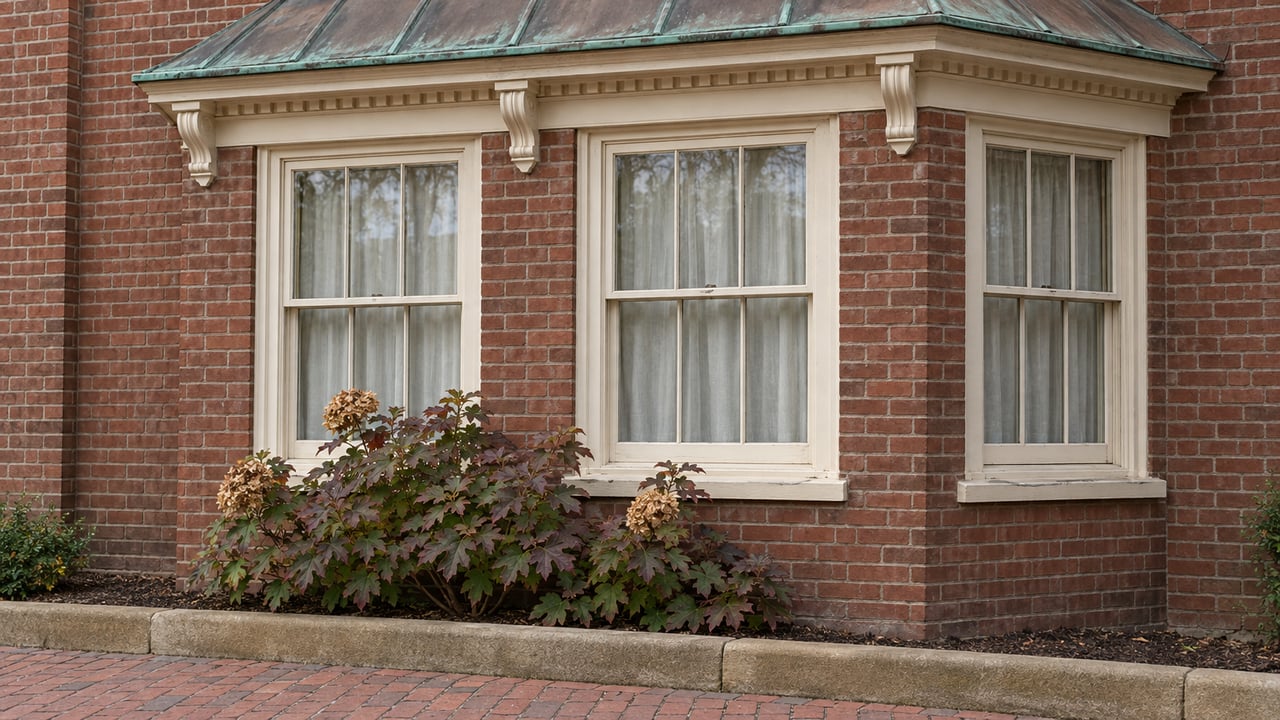
Windows are often where renovation goals and preservation rules collide. Richmond’s guidelines say original windows should be retained and repaired when possible, and replacement is generally appropriate only when windows are missing or beyond repair. The guidelines also discourage changing the number, location, size, or glazing pattern of windows.
Vinyl windows are not considered appropriate for historic buildings in local historic districts. That matters for both budget and planning, because a quick off-the-shelf window swap may not be the right path. In many cases, repair, weatherstripping, and storm windows can improve comfort while preserving historic character.
Roofs, cornices, and porch details matter
Roof and porch work is not only about curb appeal. It also protects the structure from water intrusion and helps preserve key architectural elements. Richmond’s guidance says existing porch roofing should be repaired with the same materials when possible, and new roofing should not change the roof shape or appearance.
The city also treats original cornices as character-defining features that should not be removed or replaced when repair is possible. If your rowhouse needs exterior restoration, these details deserve close inspection early in the process.
Plaster and moisture deserve respect
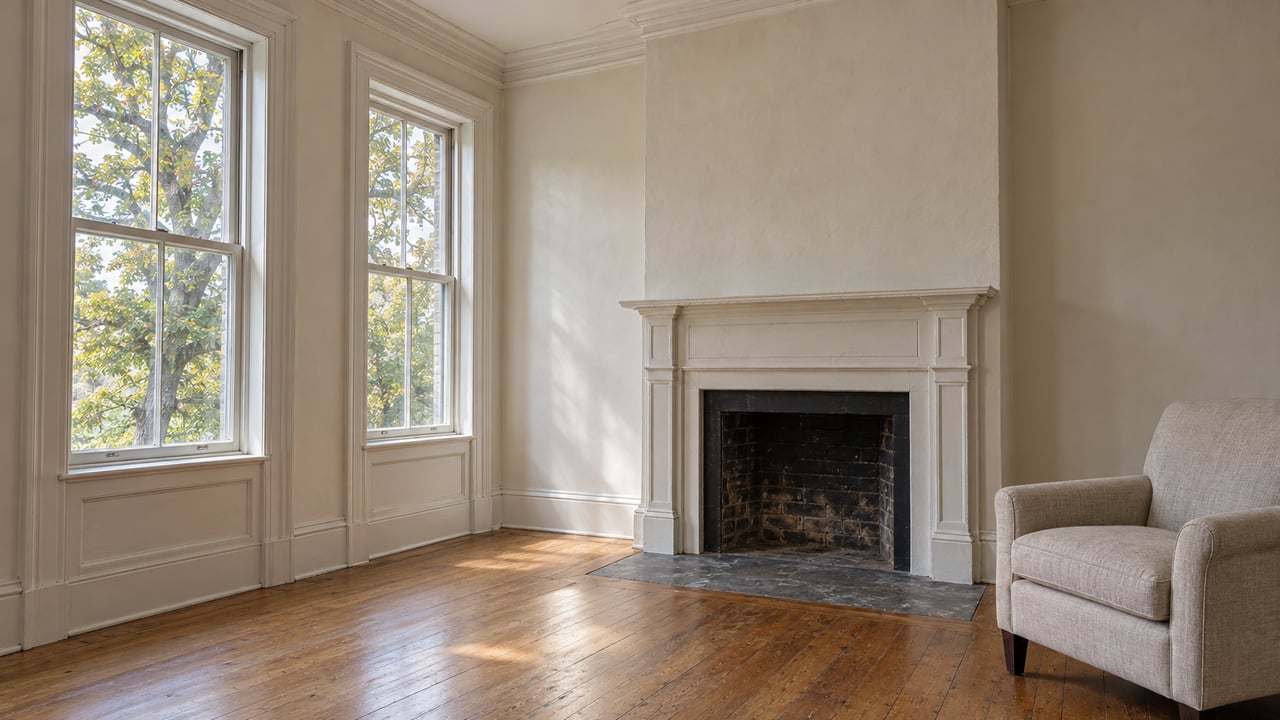
Inside many historic rowhouses, plaster gets written off too quickly. In reality, plaster can often be repaired rather than removed, especially when water intrusion is the real problem. Moisture is a leading cause of deterioration in historic buildings, so fixing the source matters more than covering the symptoms.
Insulation choices also need care. The National Park Service advises caution with blown-in wall insulation in older assemblies because it can trap moisture. In many historic homes, attic and basement insulation are safer places to improve efficiency without risking damage to historic fabric.
Lead-based paint may affect the work plan
Homes built before 1978 are likely to contain some lead-based paint, and that is highly relevant in Church Hill. If paid renovation work disturbs painted surfaces in pre-1978 housing, EPA rules require certified firms to use lead-safe work practices.
This does not mean every renovation becomes unmanageable. It does mean you should ask direct questions before work begins and understand how that requirement may affect cost, scheduling, and contractor selection.
How to budget for a Church Hill renovation
A successful budget in Church Hill usually starts with priorities, not finishes. The best early dollars often go toward stabilizing the house and protecting historic materials before you spend heavily on decorative updates.
In practical terms, that often means focusing first on:
- Roof and drainage issues
- Masonry repair and compatible repointing
- Window repair or appropriate replacement strategy
- HVAC upgrades
- Plumbing improvements
- Electrical updates
- Moisture management in walls, basements, and attics
This order tends to support both livability and long-term value. Richmond’s review framework favors repair, compatibility, and reversibility, while Virginia’s rehabilitation tax credit rules recognize major systems work as part of a certified rehabilitation.
Historic tax credits may help
For some projects, Virginia’s Historic Rehabilitation Tax Credit program can be a meaningful budgeting tool. According to the Virginia Department of Historic Resources, the state credit is available for owner-occupied and income-producing buildings, and the credit equals 25% of eligible rehabilitation expenses.
For owner-occupied residential buildings, eligible expenses must equal at least 25% of the building’s assessed value for the prior tax year. Eligible rehab costs can include structural work, new heating, plumbing, and electrical systems, kitchens and bathrooms, ADA work, and fire suppression. Additions and enlargements are not eligible.
If your project is income-producing, federal historic rehabilitation credits may also apply. Because tax-credit qualification depends on the property and the scope of work, this is another reason to verify status and plan early.
Hiring the right team matters
In a historic Richmond neighborhood, the cheapest bid is rarely the best signal. Church Hill rowhouses often require contractors who understand historic brick, wood windows, old-house moisture issues, and the realities of CAR review.
The Virginia Department of Historic Resources offers a free Trades & Consultants Directory for owners seeking preservation expertise, though it is not an endorsement list. You still need to verify licenses, evaluate fit, and review past work carefully.
When interviewing contractors or consultants, look for experience with:
- Historic masonry and compatible mortar work
- Repair of original wood windows
- Exterior details like cornices, porch roofs, and railings
- Permit coordination in Richmond
- CAR submittals and review expectations
- Working within older wall, floor, and plaster systems
A preservation-minded team can save you money simply by helping you avoid the wrong fixes.
Sustainability upgrades need early coordination
If energy efficiency is part of your plan, it should be discussed early, not added at the end. In historic districts, even solar panels can trigger review when visible from public rights-of-way. Richmond says installations should be minimally visible and reversible.
That does not rule out sustainable improvements. It simply means long-term upgrades should be coordinated with the historic context of the house and the approval process from the beginning.
What buyers should expect before closing
If you are buying a Church Hill rowhouse with renovation in mind, the smartest approach is to replace assumptions with verification. Confirm historic district status, ask what permits or approvals past work received, and review the exterior and major systems with the age of the home in mind.
You should also assume that timeline estimates need some cushion. Between monthly CAR meetings, city permit review, trade permits, inspection scheduling, and hidden conditions behind walls, historic renovations often take longer than first-time buyers expect.
That said, the payoff can be exceptional. A well-planned Church Hill renovation can preserve the architectural rhythm that makes these homes special while improving comfort, function, and long-term ownership confidence.
If you are weighing a Church Hill purchase, planning a renovation, or preparing to sell a historic Richmond home, working with a local team that understands both architectural significance and project strategy can make the process much more straightforward. To start that conversation, schedule a private consultation with the Chris Small Group.
FAQs
What makes renovating a Church Hill rowhouse different from renovating a newer Richmond home?
- Church Hill rowhouses often involve historic district rules, older materials like historic brick and plaster, permit coordination across multiple city departments, and a higher chance of hidden conditions once work begins.
How do I know if a Church Hill house needs CAR approval for renovation work?
- If the property is in a City Old & Historic District, exterior changes visible from a public street or alley may require review by Richmond’s Commission of Architectural Review.
What exterior changes on a Church Hill rowhouse may be reviewed by Richmond CAR?
- Exterior items such as windows, railings, porch elements, roofing appearance, and other visible changes may require review, although some smaller projects can be approved administratively by staff.
How long do permits take for a Church Hill renovation in Richmond?
- Richmond says online submittal review is typically 3 to 5 business days, some permit applications may take 2 to 3 weeks, and more complex reviews can take longer depending on project size and complexity.
Are vinyl windows allowed in historic Church Hill homes?
- Richmond’s guidelines say vinyl windows are not considered appropriate for historic buildings in local historic districts.
What repair issues are most common in older Church Hill rowhouses?
- Common issues include masonry cracks or incompatible repointing, moisture intrusion, aging roofs and cornices, deteriorated plaster, window repair needs, insulation decisions, and lead-based paint concerns in pre-1978 homes.
Can a Church Hill renovation qualify for Virginia historic tax credits?
- Some projects can qualify, and the Virginia Department of Historic Resources says the state credit is 25% of eligible rehabilitation expenses for qualifying owner-occupied and income-producing buildings.
What should I look for when hiring a contractor for a Church Hill historic renovation?
- You should look for contractors with proven experience in historic masonry, wood window repair, Richmond permit coordination, and CAR submittals, along with relevant licensing and project examples.