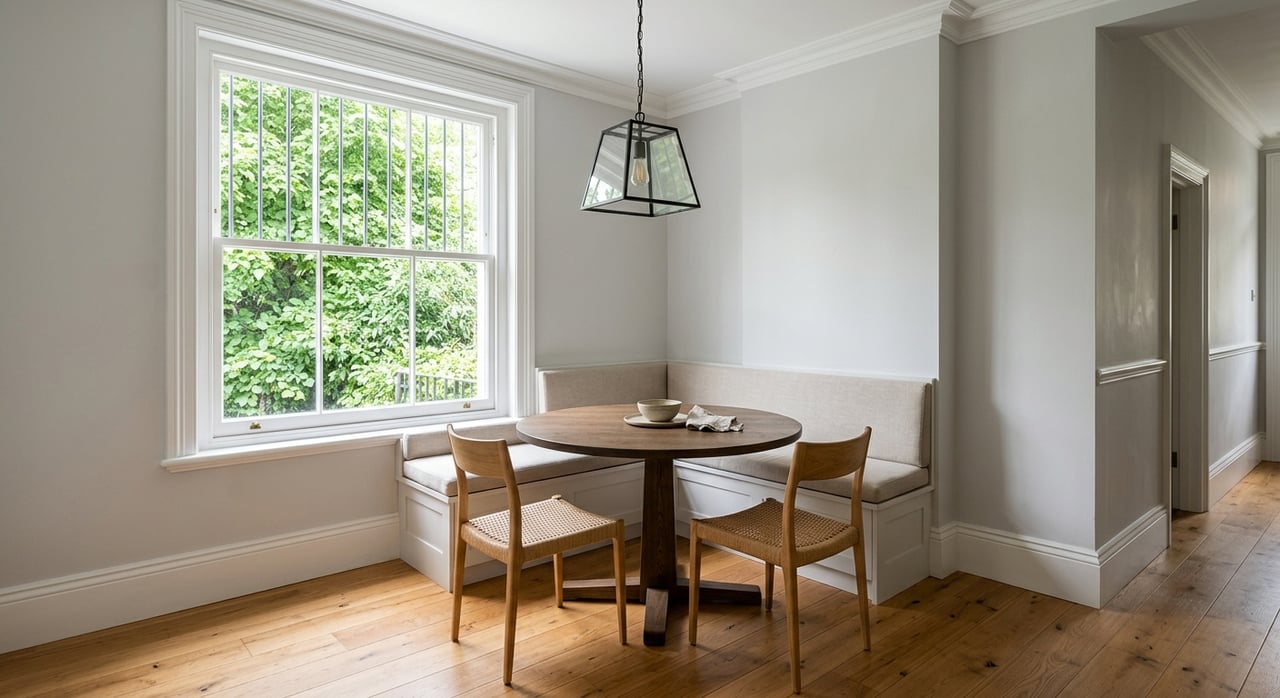
If you love Windsor Farms, the idea of downsizing can feel more complicated than a typical move. You may want less square footage and less upkeep, but you may not want to give up the area, the rhythm of daily life, or your connection to central Richmond. The good news is that downsizing here often means refining how you live, not leaving what you love behind. Let’s dive in.
Why downsizing in Windsor Farms is different
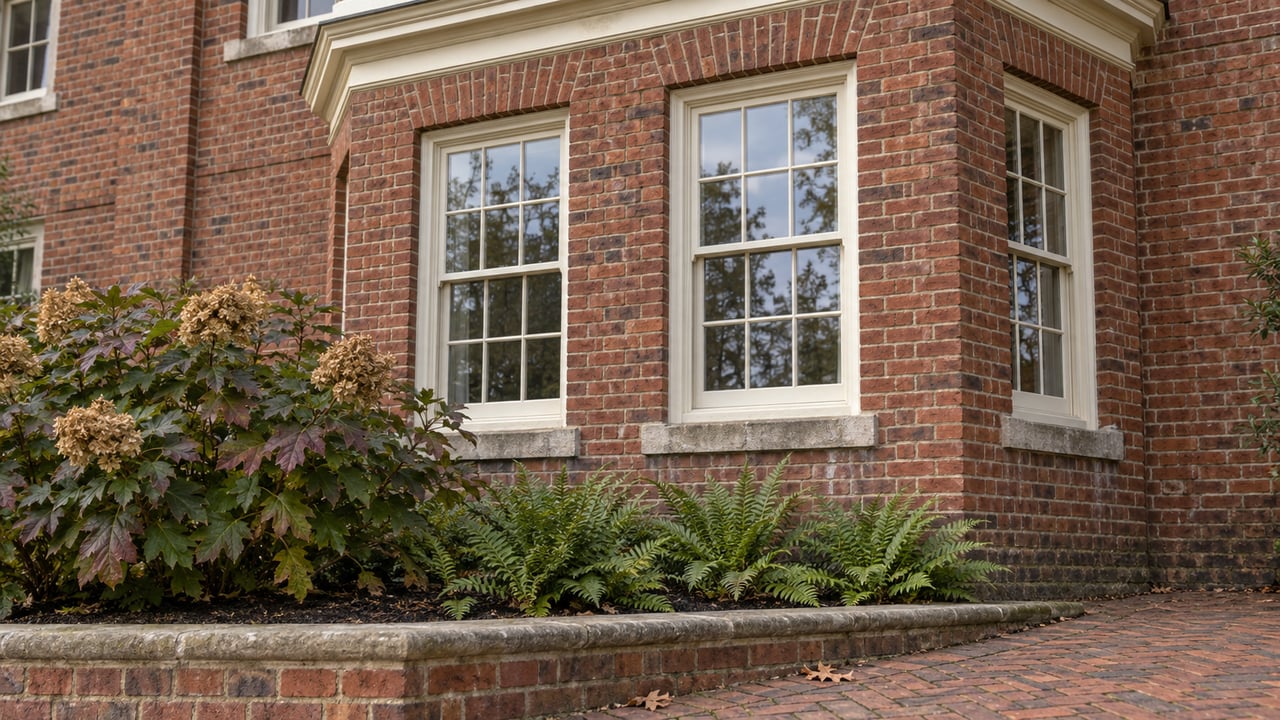
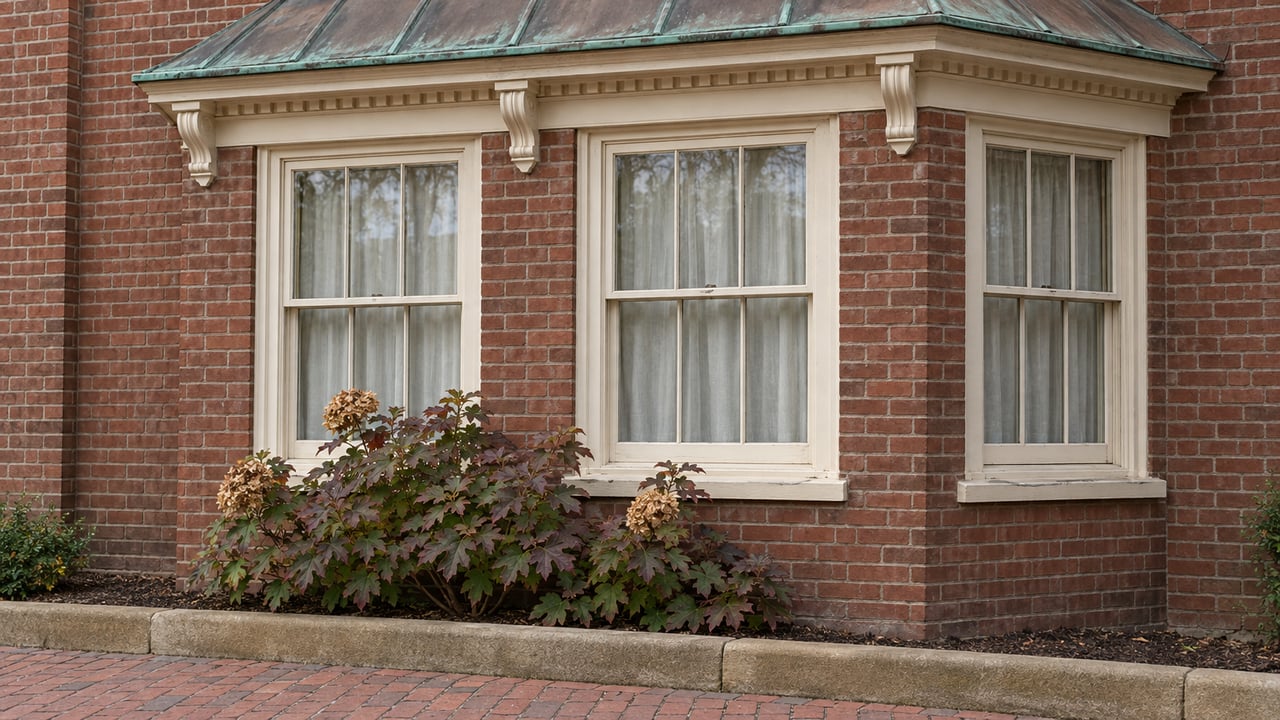
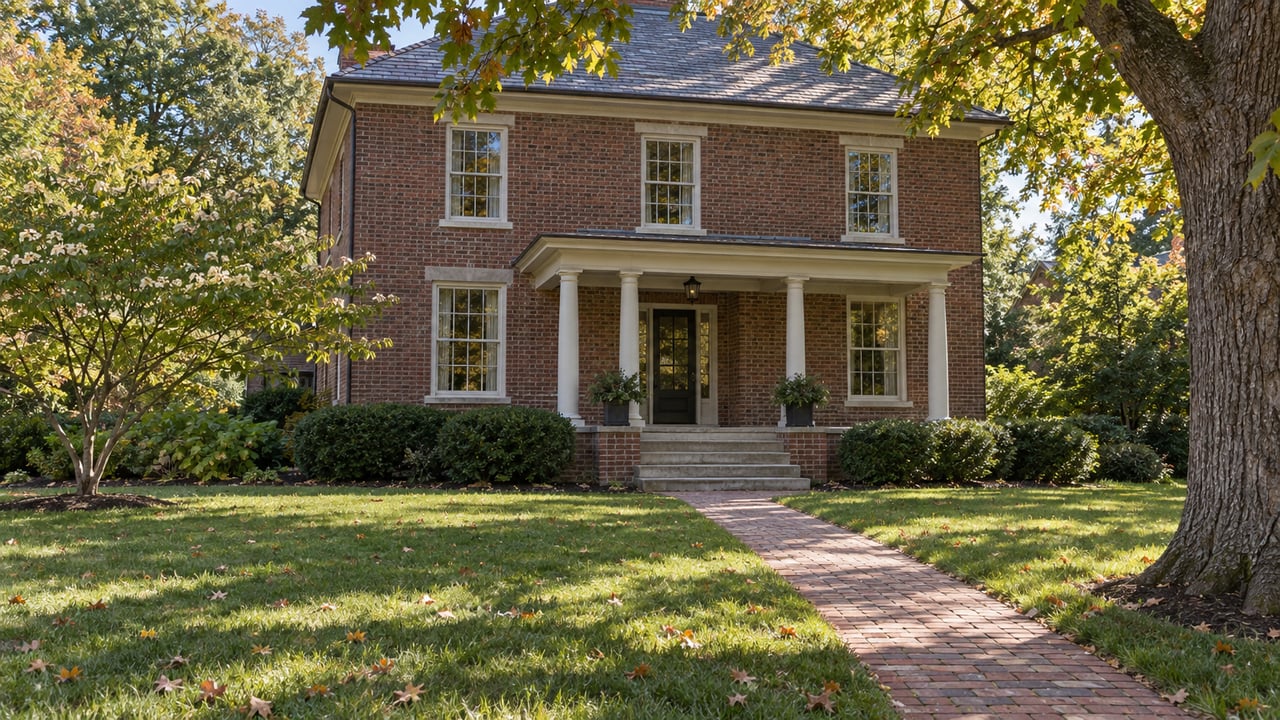
Windsor Farms has long held a distinct place in Richmond. Founded in 1926 as a planned neighborhood designed as an English village, it is known for circular streets around a central lawn and a strong concentration of Colonial Revival, Tudor, and Cape Cod homes.
That history shapes the downsizing conversation. For many long-time owners, the question is not whether to leave Richmond. It is whether you can trade a larger, often architecturally significant detached home for something smaller that still keeps you close to the West End and central city destinations you already enjoy.
In practical terms, downsizing can mean lower housing costs, more flexibility, and fewer maintenance demands. It can also free up time and energy that may now be going toward yard work, deferred repairs, or managing spaces you no longer use every day.
What downsizing usually means here
In Windsor Farms, downsizing is often a move from a larger single-family house into a smaller detached home, townhome, or condominium nearby. The goal is usually to preserve location and lifestyle while reducing the work that comes with a bigger property.
That shift can be especially appealing if your current home requires regular exterior upkeep, landscape management, or ongoing capital improvements. Older and architecturally distinctive homes can be deeply rewarding to own, but they also tend to require more planning, more vendor coordination, and sometimes a larger pre-sale or maintenance budget.
This is why the best downsizing plan is not just about square footage. It is about matching your next home to the way you want to live now.
Nearby options to stay close
Adjacent neighborhoods to consider
If your top priority is staying as close as possible to Windsor Farms, Lockgreen and Westmoreland Place are natural places to start. On the City of Richmond GIS association map, both appear immediately adjacent to the Windsor Farms boundary.
That matters because proximity often shapes whether a downsizing move feels seamless. Staying nearby can help you keep the same daily routes, familiar service providers, and access to the same central-West-End locations that already fit your routine.
Managed community living nearby
For owners who want a stronger shift away from routine upkeep, Monument Square stands out as a nearby option worth considering. Official community materials describe townhome-style condominiums and single-floor luxury living, along with 190 units and amenities that include a clubhouse, gym, pool, outdoor grills, fire pits, and monthly socials.
Just as important, Monument Square uses a management portal for account management, service requests, and architecture requests. For many downsizers, that kind of structure is part of the appeal. It can move more day-to-day upkeep into a managed setting and reduce the hands-on demands that come with a larger detached house.
Why condos and townhomes deserve a close look
If you are deciding between another detached home and a condo or townhome, current Richmond Metro data adds useful context. In Q1 2026, the condo and townhome segment recorded 1,002 new listings, 728 pending sales, 561 closed sales, a median sales price of $375,045, 48 days on market, 593 homes for sale, and 2.6 months of supply.
Compared with the single-family segment, which had 1.2 months of supply and 34 days on market, condo and townhome inventory offered a bit more breathing room. That does not remove competition, but it can create a little more flexibility for buyers who want time to compare options, review community details, and line up the sale of an existing home.
For a Windsor Farms owner, that may be good news. A slightly less compressed segment can make the transition feel more manageable, especially if you are balancing a sale, a purchase, and a lifestyle shift at the same time.
The cost side of downsizing
Real estate taxes in Richmond
When you compare your current home to a smaller replacement property, taxes should be part of the conversation. In Richmond, real estate taxes are billed at $1.20 per $100 of assessed value, with installments due January 14 and June 14.
The city also states that assessments are based on 100% of fair market value and can be appealed through the Assessor’s Office. If you are trying to estimate future carrying costs, this is a key number to review early.
Tax relief for qualifying homeowners
Some homeowners may also qualify for help through the City of Richmond’s Older Adults and Persons with Disabilities Real Estate Tax Relief Program. According to the city, eligible applicants may receive up to 100% relief, and the final filing deadline is December 31.
For owners evaluating whether to stay put, downsize, or shift into a different property type, this program can be an important part of the math. It is worth reviewing before you assume your current tax burden is fixed.
Potential capital gains considerations
If your Windsor Farms home has appreciated significantly over time, taxes from the sale may also matter. The IRS states that a homeowner may exclude up to $250,000 of gain from the sale of a main home, or up to $500,000 on a joint return, if ownership and use tests are met.
The IRS also notes that a condominium can qualify as a main home and that a loss on a personal residence is not deductible. Because tax situations vary, many sellers benefit from reviewing these rules early so they can evaluate net proceeds with realistic expectations.
Prepare for selling costs before you list
Downsizing often sounds simple on paper. In reality, selling a large Windsor Farms home can involve meaningful preparation, especially when the property has architectural character, mature landscaping, or deferred cosmetic work.
Freddie Mac notes that seller closing costs typically include commissions of 3% to 8% of the sale price and fees or taxes of about 2% to 4%. It also highlights common prep items such as repairs, staging, carpet cleaning, painting, and landscaping.
For Windsor Farms owners, those prep items can be more involved than they would be for a smaller, newer home. A thoughtful plan can help you decide what work is worth doing, what can be left alone, and how to build a realistic timeline before launch.
Should you sell first or buy first?
This is often the biggest strategic decision in a downsizing move. The right answer depends on your finances, your tolerance for uncertainty, and how specific your replacement-home criteria are.
When selling first may make sense
The CFPB says that if you want to move, you normally try to sell your home first before buying another one. For many downsizers, this approach creates the clearest picture of available proceeds and reduces the risk of carrying two properties at once.
It can also make it easier to set a budget for the next purchase. If your next move depends heavily on equity from your current home, selling first may give you more control.
When buying first may make sense
A buy-first plan can work when the right downsizing property is hard to find and you do not want to miss it. The CFPB says a temporary bridge loan with a term of 12 months or less is one example of financing used to buy a new dwelling while planning to sell the current one within 12 months.
This approach can reduce the pressure of finding a new home after your current one sells. But it also requires careful financial planning, since you may be managing overlapping costs for a period of time.
Where contingencies fit in
Freddie Mac notes that a home sale contingency can help protect a buyer who needs to sell first, but it is riskier for the seller because there is no guarantee the current home will sell. In a practical sense, that means contingencies can be useful, but they may affect how competitive your offer looks.
If you are targeting a very specific downsizing option in a close-in area, your move strategy should account for that reality. The cleaner your purchase terms, the more flexibility you may have when the right property appears.
Timing your move in Richmond
Timing matters, but it should not be the only thing driving your plan. Richmond Metro new listings rose from 2,966 in Q1 2025 to 4,163 in Q2 2025, which suggests spring is a higher-activity listing window.
That increase can create more options on the buy side, but it also means more preparation is needed if you want your current home ready for market at the right time. For many Windsor Farms owners, the best approach is to start planning well before the intended launch date.
That early start gives you time to sort, repair, stage, and make decisions without rushing. It also helps you choose the move order based on your housing needs and financing, rather than on the calendar alone.
A practical downsizing checklist
If you are thinking about downsizing without leaving the area, start here:
- Define your non-negotiables for location, layout, and maintenance level
- Compare nearby options such as adjacent neighborhoods and managed communities
- Review current and future real estate tax costs
- Check whether you may qualify for Richmond’s OAPD tax relief program
- Estimate seller prep costs and closing costs before setting expectations
- Decide whether selling first or buying first fits your finances and comfort level
- Begin planning early if you hope to move during a busier spring market
Stewardship, not just relocation
The best Windsor Farms downsizing moves are rarely about giving something up. More often, they are about protecting what matters most while letting go of square footage, upkeep, and carrying costs that no longer fit your life.
That takes a thoughtful strategy, especially when your current home has history, design significance, or a strong emotional pull. With the right plan, you can stay close to the neighborhood identity you value while moving into a home that feels easier, lighter, and more aligned with your next chapter.
If you are weighing what to keep, what to change, and how to time the move, the team at Chris Small Group can help you build a clear, private strategy around your home, your goals, and the Richmond market.
FAQs
What does downsizing from Windsor Farms usually look like?
- It often means moving from a larger detached home into a smaller house, townhome, or condominium nearby so you can reduce upkeep while staying close to central Richmond and the Near West End.
Which nearby areas should Windsor Farms downsizers consider?
- Lockgreen and Westmoreland Place are natural starting points because the City of Richmond GIS association map shows them immediately adjacent to Windsor Farms.
Is Monument Square a practical option for Windsor Farms downsizers?
- It can be, especially if you want a managed community setting. Official materials describe townhome-style condominiums, single-floor luxury living, and amenities such as a clubhouse, gym, pool, grills, fire pits, and monthly socials.
Are Richmond condos and townhomes less competitive than single-family homes?
- Richmond Metro Q1 2026 data showed 2.6 months of supply for condos and townhomes compared with 1.2 months for single-family homes, which suggests slightly more breathing room in the condo and townhome segment.
What are Richmond real estate tax basics for downsizers?
- Richmond real estate taxes are billed at $1.20 per $100 of assessed value, with installments due January 14 and June 14.
Can Richmond homeowners get property tax relief when downsizing decisions are being made?
- Some may qualify for the City of Richmond Older Adults and Persons with Disabilities Real Estate Tax Relief Program, which the city says may provide up to 100% relief for eligible applicants.
Should a Windsor Farms homeowner sell first or buy first when downsizing?
- It depends on your finances and housing needs. The CFPB says people normally try to sell first before buying another home, while a buy-first plan may involve short-term bridge financing.
When is a good time to start planning a Windsor Farms downsizing move?
- Start earlier than you think. Since Richmond Metro listings increased from Q1 2025 to Q2 2025, spring appears to be a more active period, so advance planning can give you more flexibility.