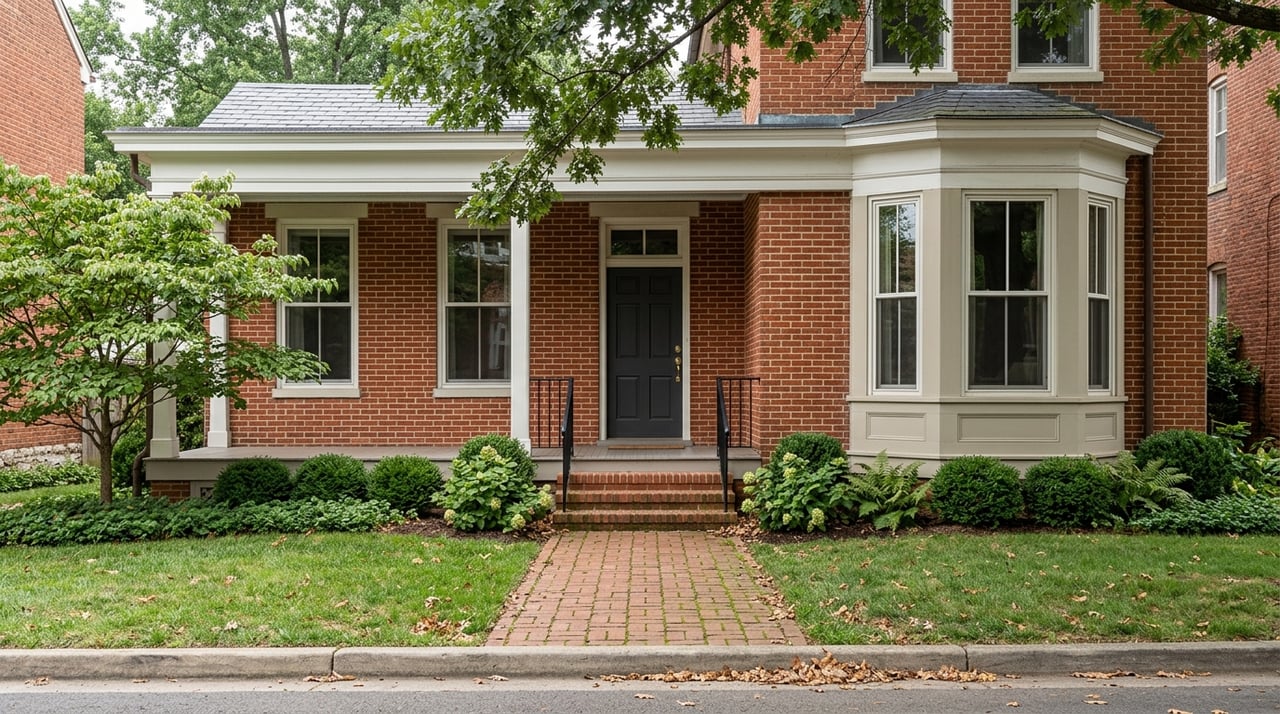
Looking for a Richmond neighborhood that feels historic, leafy, and livable at the same time? Ginter Park stands out for exactly that reason. If you are exploring Northside Richmond and want to understand what daily life really looks like here, this guide will walk you through the setting, housing, amenities, and broader neighborhood context that shape the area. Let’s dive in.
Why Ginter Park Feels Distinct
Ginter Park was planned in the 1890s as one of Richmond’s earliest streetcar suburbs. Its original layout featured a grid pattern, broad north-south boulevards, and large residential lots that gave households more space while keeping them connected to the city center.
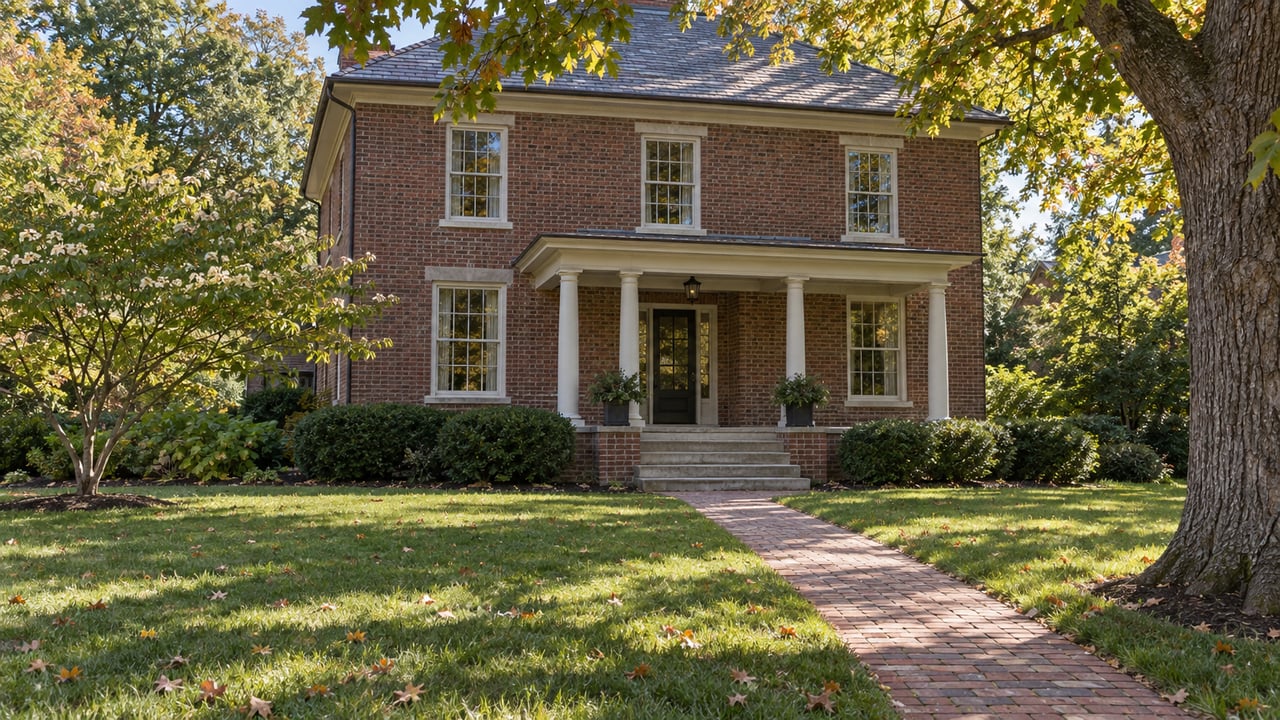
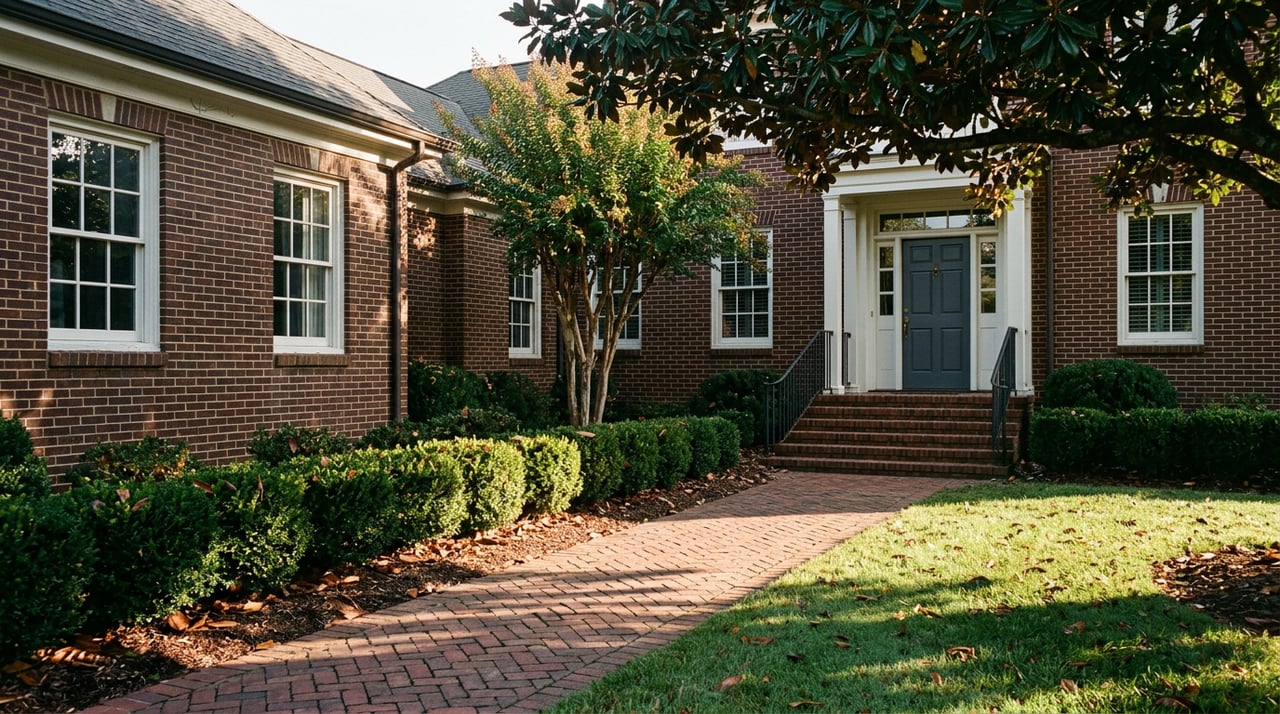
That planning history still shows up in the neighborhood today. Ginter Park has a mature, suburban-in-the-city feel, with detached homes, established streetscapes, and a scale that feels different from some of Richmond’s denser historic areas. The district was incorporated in 1912, annexed to Richmond in 1914, and by the 1930s most lots had been developed with free-standing homes.
For many buyers, that blend is the appeal. You get historic character and architectural depth, but also a setting that often feels more spacious and more residential in rhythm.
Ginter Park Architecture and Streetscape
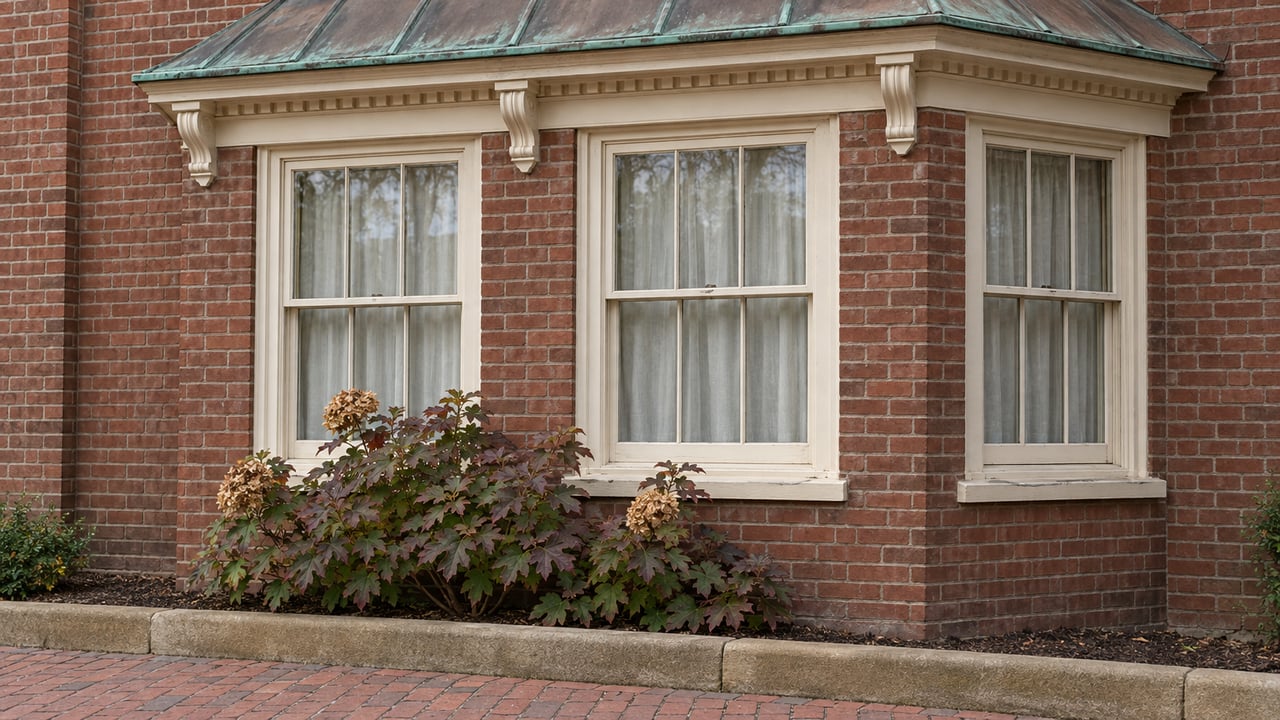
One of Ginter Park’s strengths is variety. State historic records identify Queen Anne cottages, Colonial Revival homes, American Foursquares, Bungalows, Spanish Colonial houses, Tudor Revival homes, and Shingle Style examples within the district.
That range gives the neighborhood visual interest from block to block. Rather than a single repeating housing type, you see a collection of homes with distinct forms, rooflines, porches, and details.
Porches are especially important to the feel of the area. Historic records frequently describe prominent front porches, wraparound porches, and side porches, which supports the idea of Ginter Park as a neighborhood shaped by front yards, outdoor sitting space, and a strong connection between homes and the street.
Everyday Life in Ginter Park
Ginter Park feels residential first, but it is not isolated. Daily life here is supported by civic spaces, public amenities, and neighborhood institutions that make the area practical as well as attractive.
One of the clearest examples is the Ginter Park Branch of Richmond Public Library on Westbrook Avenue. The branch offers public access, free Wi-Fi, printing, copying, notary services, a meeting room, and recurring programs. That makes it useful not only for books, but also for everyday tasks and community activity.
The neighborhood also has visible civic engagement. The City of Richmond lists both the Ginter Park Residents Association and the Ginter Park Garden Club among its civic groups, reinforcing the area’s identity as a place where resident stewardship and neighborhood upkeep matter.
Parks and Green Space Nearby
If outdoor access is part of your home search, Northside offers meaningful green-space options. Bryan Park is one of the most important recreation assets tied to Ginter Park and the wider area.
Richmond Parks & Recreation describes Bryan Park as having a one-mile trail and parkland around a lake. The city’s Fall Line Trail information also says the Northside trailhead will include restrooms, water fountains, air for tires, and a bicycle-repair vending machine.
The city has invested more than $1 million in Bryan Park capital projects since 2020, including upgrades connected to the nature center and related park improvements. For you as a buyer or neighborhood browser, that signals an amenity that supports both everyday use and long-term value in the area’s public realm.
Another major Northside amenity is Lewis Ginter Botanical Garden. Its current operations include daytime admission from 9 a.m. to 5 p.m., along with classes, events, dining, shopping, an expanded conservatory, year-round butterfly access, and more than seven acres of new meadows and gardens.
That matters because it adds more than a one-time destination. It becomes part of the rhythm of local life, from weekend outings to seasonal events and repeat visits.
Northside Amenities Beyond the Neighborhood
Ginter Park is part of a larger Northside network, and that broader context matters when you are weighing where to live. The City of Richmond’s Fourth Precinct includes neighborhoods such as Bellevue, Brookland Park, Edgewood, Ginter Park, Laburnum Park, Northern Barton Heights, Rosedale, Sherwood Park, Virginia Union, and Washington Park.
That means a Ginter Park home search can also open the door to nearby options with different block patterns, housing mixes, and neighborhood character. If you are comparing homes across Northside, it helps to think beyond one name and consider how adjacent communities may align with your priorities.
Northside also continues to evolve as a connected part of the city. In 2025, Richmond approved a Northside planning-node resolution that the city describes as a way to connect nearby residents, visitors, goods, services, and commercial corridors more intentionally.
Errands, Shops, and Daily Convenience
A neighborhood can be beautiful and still fall short if daily routines feel inconvenient. Northside’s practical appeal comes in part from its neighborhood-serving commercial corridors.
The City of Richmond’s Brookland Park/Six Points parking study describes that area as a historic commercial corridor that is resurging as new commercial users enter Brookland Park Boulevard and Six Points. The same study notes that blocks around Brookland Park Boulevard near North Avenue are among the densest in the study area.
For you, that helps explain where small-business activity and everyday errand patterns tend to cluster. Ginter Park itself may feel primarily residential, but nearby commercial areas support the daily convenience that many buyers want.
Transit and Getting Around Northside
Transit is another practical part of the Northside story. GRTC’s Chamberlayne/Downtown route serves Chamberlayne and Brookland Park Boulevard, offering an option for some local travel and commuting patterns.
GRTC’s Pulse North-South BRT project is also designed to connect Northside, Downtown, and Southside through a 12-mile corridor with 30 stations. Together, those transit connections suggest that some residents may be able to handle parts of their routine without relying entirely on a car.
That does not mean every errand becomes car-free. It does mean Northside offers more transportation flexibility than buyers sometimes expect when they first picture a detached-home neighborhood.
Who Ginter Park May Appeal To
If you already know Richmond neighborhoods like the Fan or the Museum District, Ginter Park offers a different kind of historic appeal. The draw is often about scale, with more detached-house character, larger lots, mature street trees, and a quieter residential feel while still staying connected to services and amenities.
That makes the neighborhood worth a close look if you want architectural variety and historic identity, but also want a setting with more breathing room. It can also appeal to buyers who value nearby parks, library access, civic involvement, and broader Northside options.
In that sense, Ginter Park is not just about one beautiful street or one housing style. It is about how historic design, neighborhood institutions, green space, and practical access come together in everyday life.
If you are considering a move in Richmond and want a nuanced view of Ginter Park or the broader Northside market, the Chris Small Group offers owner-led guidance rooted in deep local knowledge and a thoughtful understanding of Richmond’s historic neighborhoods.
FAQs
What is Ginter Park known for in Northside Richmond?
- Ginter Park is known for its origins as one of Richmond’s earliest streetcar suburbs, its broad boulevards and large lots, and its varied historic housing styles, including Queen Anne, Colonial Revival, Bungalows, Tudor Revival, and more.
What is everyday life like in Ginter Park, Richmond?
- Everyday life in Ginter Park is shaped by a primarily residential setting supported by practical amenities like the Ginter Park Branch library, civic groups, nearby parks, and access to Northside commercial corridors.
What parks and outdoor amenities are near Ginter Park?
- Bryan Park is a major nearby recreation asset with a one-mile trail, lake-centered parkland, and planned trailhead amenities, while Lewis Ginter Botanical Garden adds classes, events, gardens, and seasonal outings to the broader Northside lifestyle.
How does Ginter Park compare to other Richmond historic neighborhoods?
- Compared with denser historic areas, Ginter Park is often noted for its detached homes, larger lots, mature street trees, and suburban-in-the-city feel while still remaining connected to city amenities.
What other neighborhoods are part of Northside Richmond?
- The City of Richmond’s Fourth Precinct includes Bellevue, Brookland Park, Edgewood, Ginter Park, Laburnum Park, Northern Barton Heights, Rosedale, Sherwood Park, Virginia Union, and Washington Park, giving buyers several nearby areas to explore.