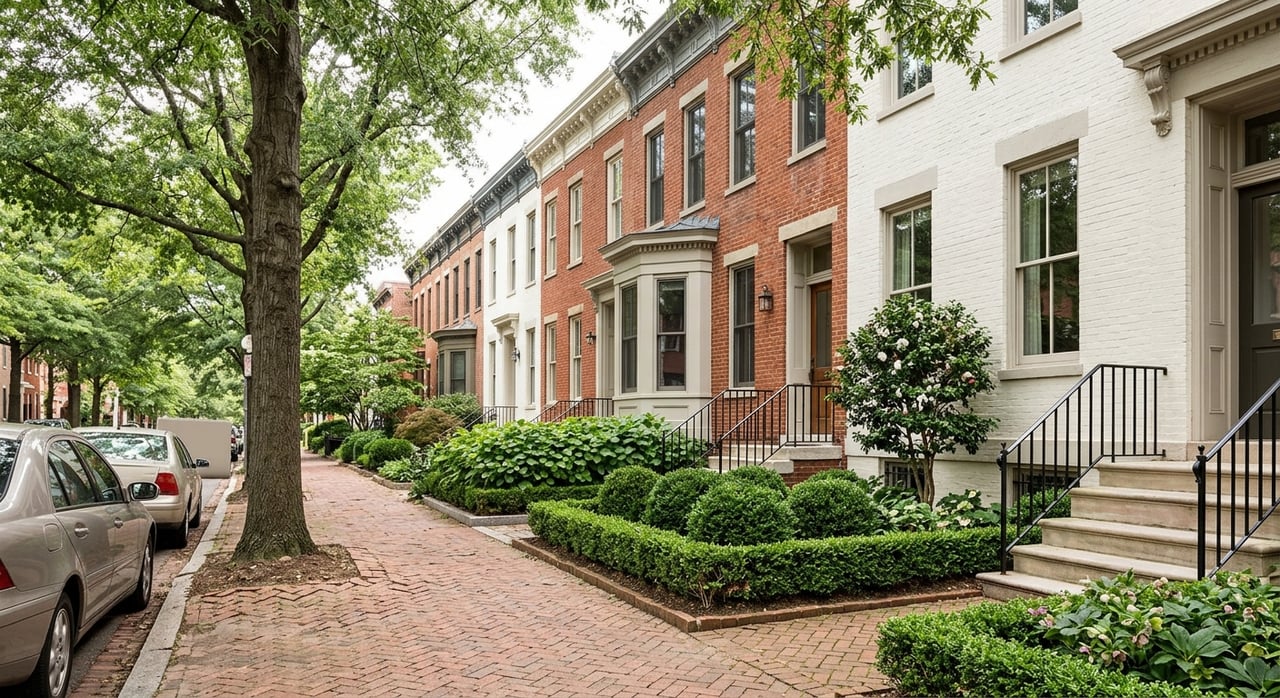
If you are drawn to the Fan, you already know that one street can feel very different from the next. A home on West Avenue may offer a quieter, more tucked-in experience, while a nearby block on Park Avenue, West Franklin Street, or Monument Avenue can change how the street looks, moves, and lives day to day. This guide will help you compare those differences so you can choose the Fan block that fits your priorities best. Let’s dive in.
Why block choice matters in the Fan
The Fan is not one-note. The Fan Area Historic District covers nearly 100 city blocks, and its character comes from shared features like consistent setbacks, tree planting, compatible materials, and a strong street wall, rather than from a single home style.
That means your decision is often less about whether you want the Fan and more about which version of the Fan fits you. A short one-way street can feel private and neighborly, while a diagonal avenue or a more formal corridor can feel more open, busier, or more architectural in scale.
VCU also describes the Fan as an 85-block neighborhood laid out in a fan shape with a dense streetcar-suburb pattern of row houses, duplexes, single-family homes, sidewalks, street trees, and some retail. In practical terms, that gives you a lot of walkable choices, but it also makes block-level nuance especially important.
What sets West Avenue apart
West Avenue stands out because it is one of the Fan’s clearest special blocks. It is only three blocks long, runs one way, ends at Lombardy near Stuart Circle, and meets Harrison Street near VCU.
That street form shapes the experience. West Avenue is often described as quiet and intimate, with very little through traffic and unusually close access to nearby retail, restaurants, and grocery options.
The physical details matter too. West Avenue includes cobblestones, plantings, low garden walls, maintained alleyways, and historic single-family dwellings, all of which give the street a more self-contained feel than many surrounding blocks.
It also has a strong neighborhood identity beyond architecture alone. Long-running traditions, neighborhood organization, and a defined street culture help explain why West Avenue often feels more like a small enclave than a typical Fan rowhouse street.
How nearby Fan streets feel different
When you compare West Avenue with nearby Fan streets, the most useful approach is to focus on how the block feels on foot and how it functions day to day. The differences are often visible right away.
Park Avenue feels more open
If you want more visual openness, Park Avenue is the clearest contrast. Because it runs diagonally through the Fan, it creates a series of small triangle parks and a more park-oriented streetscape.
Compared with West Avenue, Park Avenue may feel less enclosed and more spatially dramatic. If West Avenue feels tucked in, Park Avenue tends to feel broader and more outward-facing.
West Franklin feels more mixed
West Franklin Street offers a different kind of variation. State historic documentation describes it as more architecturally varied, with a progression of styles from Monroe Park to Monument Avenue, and notes that many buildings have become part of VCU or have been converted from former residences to other uses.
For a buyer, that can translate to a more mixed street atmosphere. If you like a block with a broader range of building types and uses, West Franklin may be worth a closer look.
Monument Avenue feels more formal
Monument Avenue is the grand comparator. State documentation describes a 14-block section lined with mansions, townhouses, churches, and apartment buildings, with a more formal rhythm of materials, rooflines, setbacks, and orientation.
That creates a very different impression from West Avenue. Where West Avenue reads as intimate and domestic, Monument Avenue feels ceremonial and large in scale.
How the street layout changes daily life
A block’s layout affects more than appearance. It can influence traffic flow, noise, parking patterns, and even how connected you feel to the sidewalk and neighboring homes.
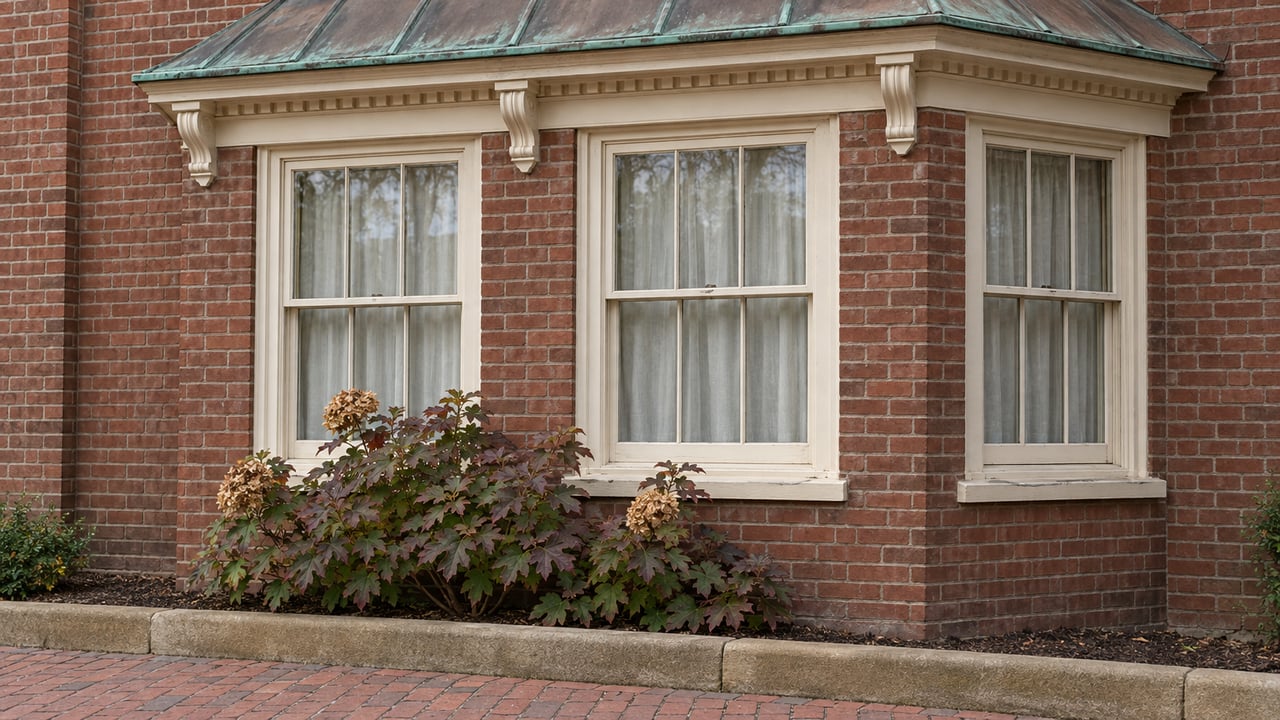
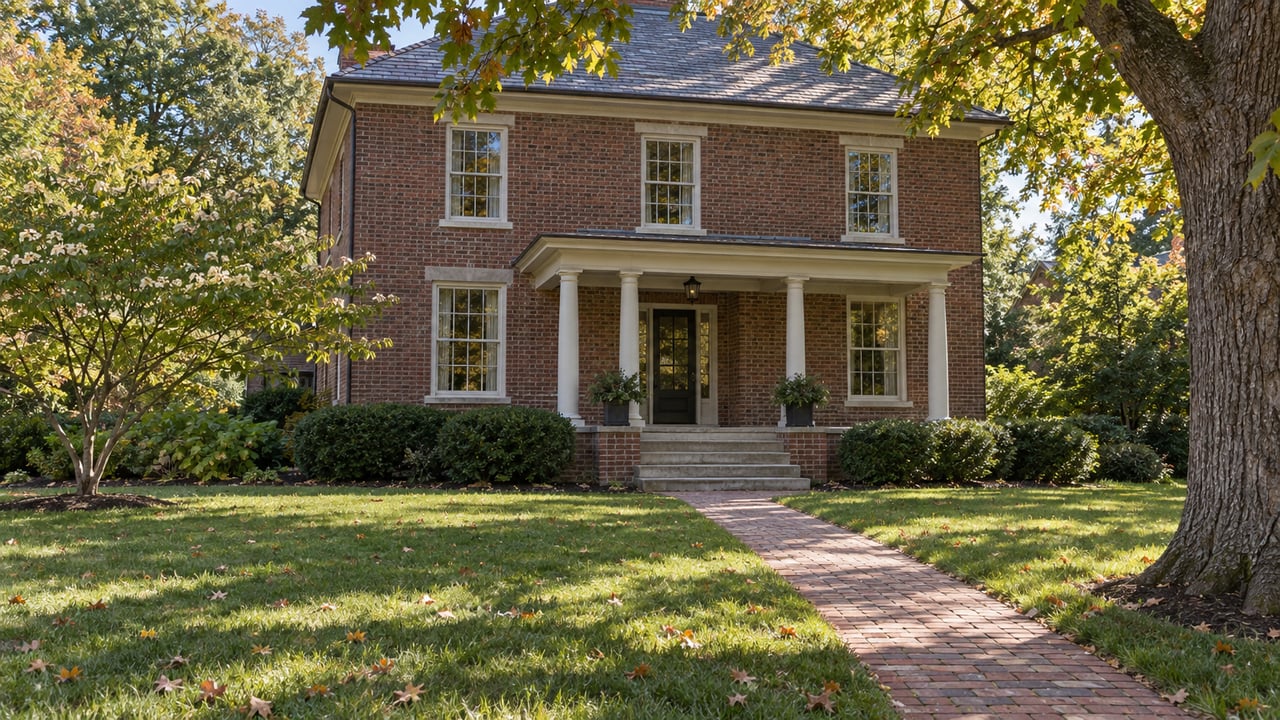
In the Fan, homes often sit close to the sidewalk. VCU notes that some are set back only about 10 feet, with front gardens acting as part of the public realm.
That is helpful when comparing blocks. On one street, a shallow setback and active front porch may feel social and welcoming. On another, you may prefer a deeper sense of separation between your front door and the sidewalk.
On West Avenue, the one-way pattern and limited through traffic tend to support a calmer feel. On nearby streets, especially larger or more mixed corridors, the pace and visibility of street activity may be different.
Parking is a real deciding factor
In the Fan, parking is not just a neighborhood issue. It is a block-by-block issue, and it can significantly shape your daily routine.
The City of Richmond states that standard Fan parking without a permit is generally limited to one hour from 7:00 a.m. to 9:00 p.m. Monday through Thursday and from 7:00 a.m. to 6:00 p.m. Friday. But West Avenue has stricter rules in the special restriction area, where the one-hour rule runs from 7:00 a.m. to midnight every day.
The city also divides the district at Lombardy Street. Zone 1 includes addresses east of Lombardy and Lombardy addresses, while Zone 2 includes addresses west of Lombardy and excludes Lombardy.
The key takeaway is simple: do not assume all Fan parking works the same way. Some blocks have standard permit rules, some have stricter restrictions, and some pockets are unrestricted, so you should always check the exact signage on the block you are considering.
A simple way to choose your block
If you are deciding between West Avenue and nearby Fan streets, it helps to narrow your choice by priorities rather than by prestige alone. The best block for you is the one that fits how you want to live.
West Avenue may fit you best if you want:
- A short, one-way street with very little through traffic
- A quieter, more intimate block feel
- Strong neighborhood identity and a self-contained atmosphere
- Quick access to Harrison Street and campus-edge amenities
- Historic single-family character with visible alley and garden detail
Nearby Fan streets may fit you better if you want:
- More open public space and diagonal street geometry on Park Avenue
- A more mixed-use or more varied architectural setting on West Franklin Street
- A grander and more formal streetscape on Monument Avenue
- A different parking setup or a different relationship to Lombardy Street
Your on-site walkthrough checklist
When you visit blocks in person, use a simple checklist. It can help you compare streets in a more practical way and keep small details from getting lost in first impressions.
Check these block-level details
- One-way versus two-way traffic flow
- Front setback depth
- Porch presence and garden quality
- Alley access and maintenance
- Posted parking signs and permit rules
- How much activity you see at each end of the block
These are the features that most clearly separate West Avenue from nearby Fan streets. They also tend to matter long after the initial charm of a block wears in.
Final thoughts on West Avenue vs. nearby Fan streets
West Avenue is not automatically the right choice just because it is well known. Its appeal is specific: a short, quiet, highly defined street with strong identity, historic texture, and immediate access to the surrounding Fan and VCU-edge amenities.
If you want a block that feels calm and close-knit, West Avenue may rise to the top. If you want more openness, more formal scale, or a more mixed street setting, one of the nearby Fan corridors may prove to be the better fit.
The right decision usually becomes clear when you compare block form, parking, and daily street feel in person. If you want help narrowing the search in the Fan and identifying the block that best matches your priorities, Chris Small Group can help you evaluate the details that matter most.
FAQs
What makes West Avenue different from other Fan streets in Richmond?
- West Avenue is a short, one-way, three-block street with very little through traffic, historic single-family homes, cobblestones, garden walls, maintained alleyways, and a strong block identity.
How does Park Avenue compare with West Avenue in the Fan?
- Park Avenue runs diagonally through the Fan and creates small triangle parks, so it generally feels more open and park-oriented than the more intimate and enclosed feel of West Avenue.
How does West Franklin Street compare with West Avenue in Richmond?
- West Franklin Street is more architecturally varied and more mixed in use, while West Avenue is more compact, quiet, and self-contained in character.
Is parking on West Avenue different from other Fan blocks?
- Yes. According to the City of Richmond, West Avenue is part of a special restriction area where the one-hour parking rule runs from 7:00 a.m. to midnight every day, so you should check the posted signs on the exact block.
What should you look for when choosing a block in the Fan District?
- Focus on traffic flow, front setback depth, porch and garden quality, alley access, parking signage, and how much cross-street activity is visible at the ends of the block.