Thinking about buying your first historic home in Church Hill? You are not just buying square footage or a view. You are buying into one of Richmond’s most layered architectural settings, where original materials, preservation rules, and long-term maintenance matter as much as charm. If you want to move forward with more confidence, this guide will help you understand what to look for, what to ask, and how to prepare. Let’s dive in.
Why Church Hill feels different
Church Hill stands apart because its historic identity is not just aesthetic. In Richmond, some properties fall within local Old & Historic Districts, where exterior changes may require review by the Commission of Architectural Review, also called CAR.
That distinction matters when you buy. The St. John’s Church Old and Historic District was created in 1957 to preserve the character around St. John’s Church, and the Virginia Department of Historic Resources describes it as Richmond’s chief historic quarter with the city’s largest concentration of antebellum residential architecture.
Just north of that area, Church Hill North is a separate but closely related historic district. According to the Virginia Department of Historic Resources, it covers a mostly 19th-century grid of wide streets and tightly spaced townhouses, with more than ninety percent of its buildings dating from before 1900.
Know the district before you buy
One of the first things you should confirm is which historic district a home is in. A house may be in a local Old & Historic District, a National Register district, or both, and those are not the same thing.
Richmond’s local district rules affect exterior changes that are visible and subject to CAR review. National Register listing, by itself, does not create the same local historic-review requirements.
That means two homes that look similar on nearby blocks may come with different approval processes. Before you close, it is smart to verify the parcel’s designation and ask whether there are any prior Certificates of Appropriateness, permits, or unresolved violations tied to the property.
Church Hill architecture you will likely see
Part of the appeal of buying in Church Hill is the variety. You are likely to see a streetscape shaped by many periods, with buildings that still show their original form and detailing.
In the St. John’s district and Church Hill North, documented styles include Federal, Greek Revival, Italianate, Queen Anne, Colonial Revival, Gothic Revival, Classical Revival, Second Empire, Art Deco, and Bungalow/Craftsman examples. That range gives the neighborhood texture, but it also means no two buying decisions are exactly alike.
Federal homes
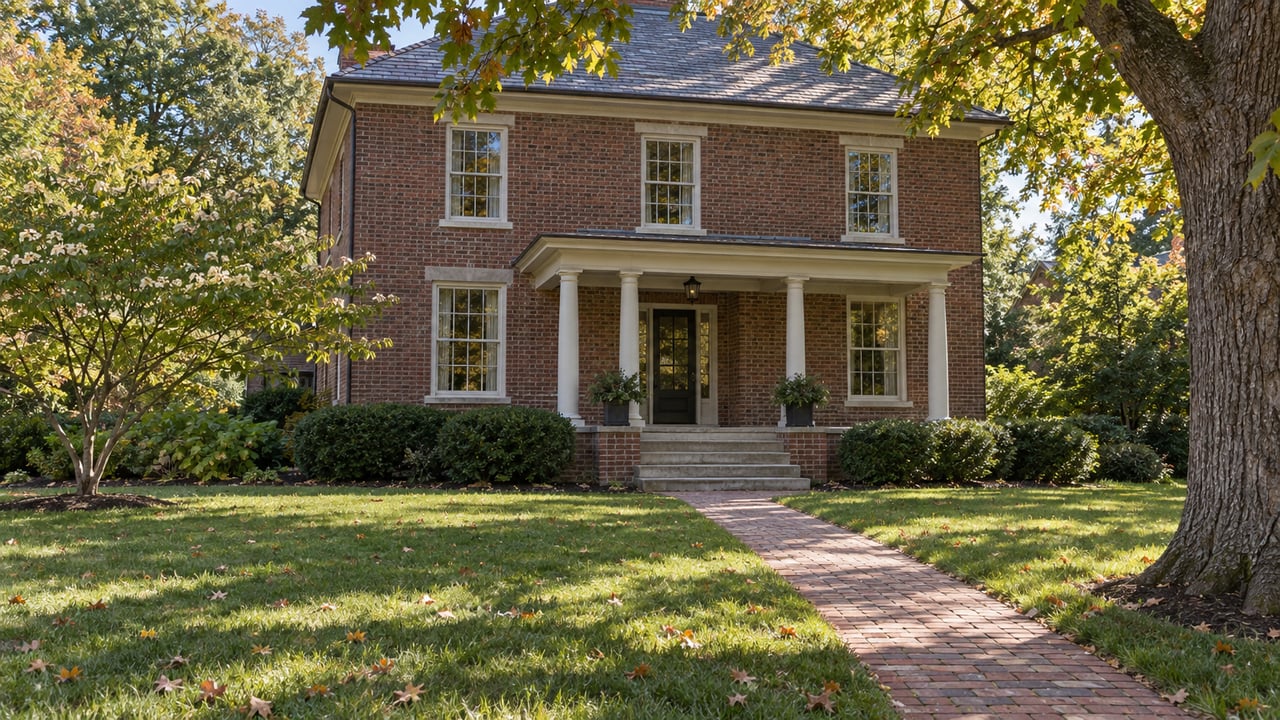
Federal houses in the area are often brick, about two-and-a-half stories, with steep gable roofs, side-hall plans, and three-bay facades. Some examples include refined cornices and Flemish bond brickwork.
Greek Revival homes
Greek Revival houses often feature two-story side-hall layouts, steep gable roofs, raised brick foundations, and temple-form front porches. Some are frame houses, while others are brick central-hall homes.
Italianate and later styles
Later 19th-century homes often include brick rowhouses, bracketed eaves, false mansard roofs, and variations tied to Queen Anne, Colonial Revival, or Second Empire design. In practical terms, these homes often carry distinctive rooflines, porches, and window patterns that are worth preserving.
Focus on the parts that matter most
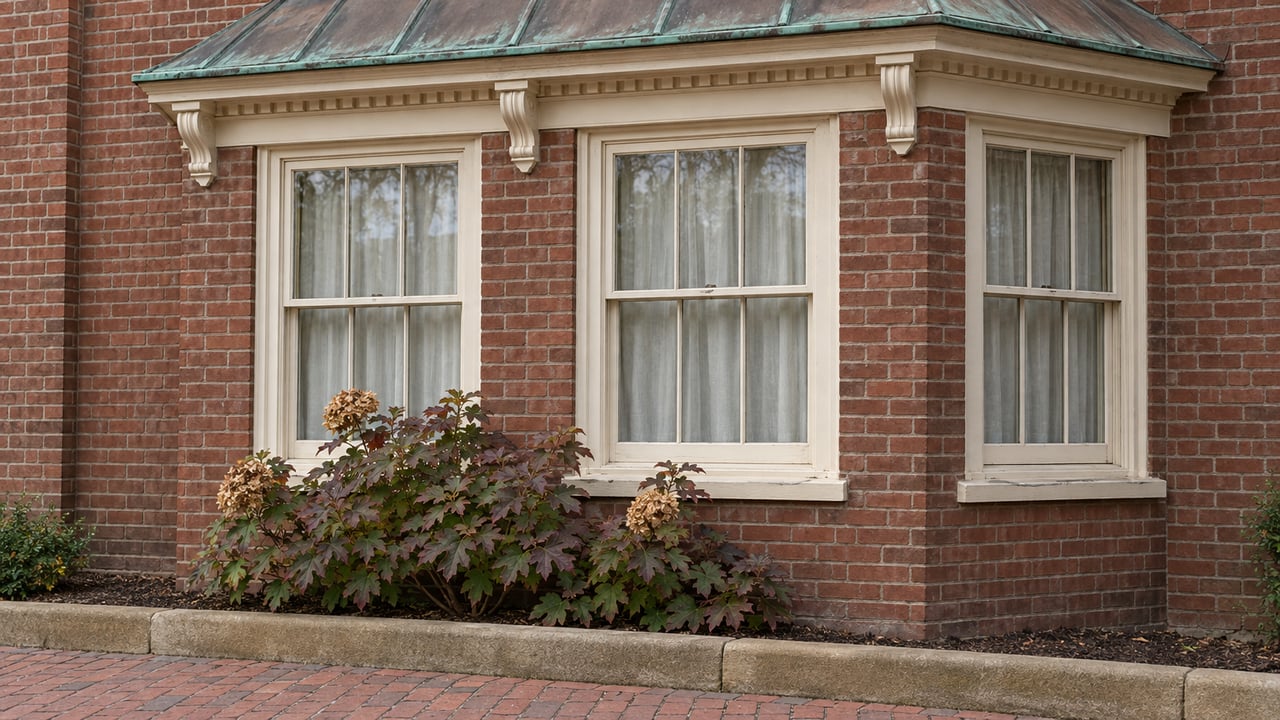
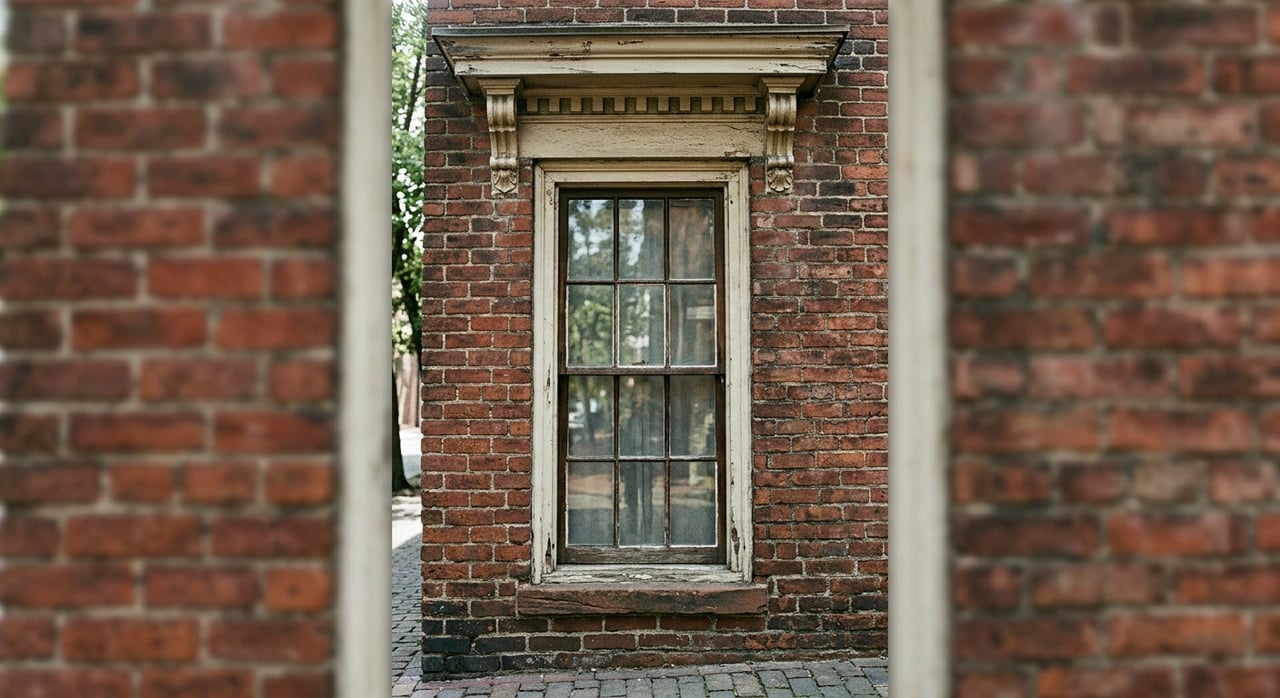
When you tour a historic home, it is easy to get distracted by paint colors or decorative details. In Church Hill, the more important clues are often the home’s original window pattern, porch depth, roofline, masonry, and overall form.
That approach aligns with preservation standards that emphasize retaining existing materials and distinctive features whenever possible. For a first-time buyer, the takeaway is simple: try to understand what is original, what has been repaired, and what has been replaced.
Common condition issues in older homes
Historic homes can be deeply rewarding, but they ask more of you than newer construction. A thoughtful inspection process matters because age, materials, and prior repairs can all affect your costs after closing.
Moisture and drainage
Moisture is one of the biggest risks in older homes. The National Park Service notes that leaks, rising damp, blocked gutters and downspouts, condensation, and even high-pressure power washing can damage historic masonry and frame walls.
When you walk through a property, pay attention to rooflines, gutters, masonry, basement areas, and signs of staining or deterioration. If there are signs of active water intrusion or ongoing moisture issues, a more specialized evaluation may be worth considering.
Lead-based paint
Lead is another key issue in older housing. The EPA says the older the home, the more likely it contains lead-based paint, including 87% of homes built before 1940.
Because many Church Hill homes were built long before 1978, lead disclosure should be part of your due diligence. If renovation is likely, certified inspectors, risk assessors, and lead-safe certified contractors can help you plan responsibly.
Windows, roofs, siding, and masonry
Richmond’s guidance strongly favors repair over replacement in local historic districts. Original windows should be repaired rather than replaced, vinyl windows and trim wrap will not be approved, and original roof materials should be maintained or replaced in kind.
The city also notes that changes in roof material require approval, unpainted masonry should not be painted, and additions are generally expected to be smaller than the primary building and placed at the rear. If you are buying a house that needs visible exterior work, those rules should shape both your budget and your timeline.
Understand the approval timeline
If the home is in a local Old & Historic District, future exterior work may require a Certificate of Appropriateness. Richmond says routine maintenance, same-color paint, and work not visible from the public right-of-way generally do not require a COA.
For work that does require approval, timing can vary. Richmond states that smaller in-kind repairs may be approved administratively in 1 to 3 days, while a regular COA process usually takes 30 to 60 days.
This is especially important if you hope to make changes soon after closing. Even modest projects like replacement doors, porch decking, new handrails, porch roof replacements, or exterior storm windows and doors can affect your schedule.
Smart due diligence for first-time buyers
A strong first purchase in Church Hill starts with clear questions. Historic homes reward buyers who slow down, gather records, and understand what they are taking on before they close.
Here are a few smart questions to ask:
- Which historic district is the house in?
- Are there existing COAs, permits, or open violations?
- Which exterior features are original, repaired, or replaced?
- Is there evidence of roof, gutter, chimney, or masonry moisture issues?
- Has lead disclosure been provided, and is there any testing documentation?
- Could planned rehabilitation work qualify for a Virginia historic rehabilitation tax credit?
These questions can help you compare homes more clearly. They also give you a more realistic picture of timing, responsibility, and future cost.
Historic tax credit basics in Virginia
If you are considering a larger rehabilitation project, it may be worth exploring whether the work could qualify for a state incentive. The Virginia Department of Historic Resources says the Virginia historic rehabilitation tax credit is available for owner-occupied homes as well as income-producing buildings.
The state credit is 25% of eligible rehabilitation expenses. DHR also makes clear that National Register and local historic districts may differ, so credit eligibility and local review should be evaluated separately.
This is one area where early planning can pay off. If a house needs substantial work, understanding the potential credit path before you buy can help shape your renovation strategy.
Build the right team early
Your first historic home purchase should not feel like a solo project. Church Hill buyers often benefit from working with professionals who understand older properties and Richmond’s preservation framework.
A home inspector with experience in older houses can help you spot issues that are easy to miss. If there are concerns about water intrusion or settling, a moisture or structural consultant may be useful, and any renovation that disturbs pre-1978 surfaces should involve lead-safe certified professionals.
Just as important, it helps to work with a real estate advisor who understands how district status, condition, and future plans can affect your decision. In a neighborhood as nuanced as Church Hill, that local context matters.
Buying with confidence in Church Hill
Your first historic home in Church Hill can be a meaningful long-term purchase. The architecture, setting, and sense of continuity are hard to replicate, but they come with responsibilities that deserve careful attention.
If you know the district, understand the approval process, and investigate condition issues early, you can move from admiration to informed action. That is often the difference between a home that simply looks special and one that truly fits your goals.
If you are considering a historic purchase in Richmond and want experienced guidance on architecturally significant homes, the Chris Small Group can help you evaluate the opportunity with clarity and care.
FAQs
What makes a Church Hill home part of a historic district?
- A Church Hill home may be located in a local Old & Historic District, a National Register district, or both, and only the local district creates Richmond’s exterior review requirements through CAR.
What should first-time buyers check before buying a historic home in Church Hill?
- You should confirm the district designation, review any past COAs or permits, ask about original versus replaced exterior features, check for moisture concerns, and review lead disclosure documents.
What exterior work on a Church Hill historic home may need approval?
- In Richmond local historic districts, visible exterior changes may require a Certificate of Appropriateness, including some doors, porch elements, roof changes, and storm windows or doors.
What are common issues in older Church Hill homes?
- Common concerns include moisture and drainage problems, lead-based paint in older housing, and repair needs involving windows, roofs, masonry, gutters, and chimneys.
Can a Church Hill home qualify for a Virginia historic tax credit?
- Some rehabilitation projects may qualify, and the Virginia Department of Historic Resources says the state credit is 25% of eligible rehabilitation expenses, including certain owner-occupied homes.
Why does local historic district status matter when buying in Church Hill?
- Local district status matters because it affects what exterior changes require Richmond approval, how long some projects may take, and how you should plan repairs or renovations after closing.