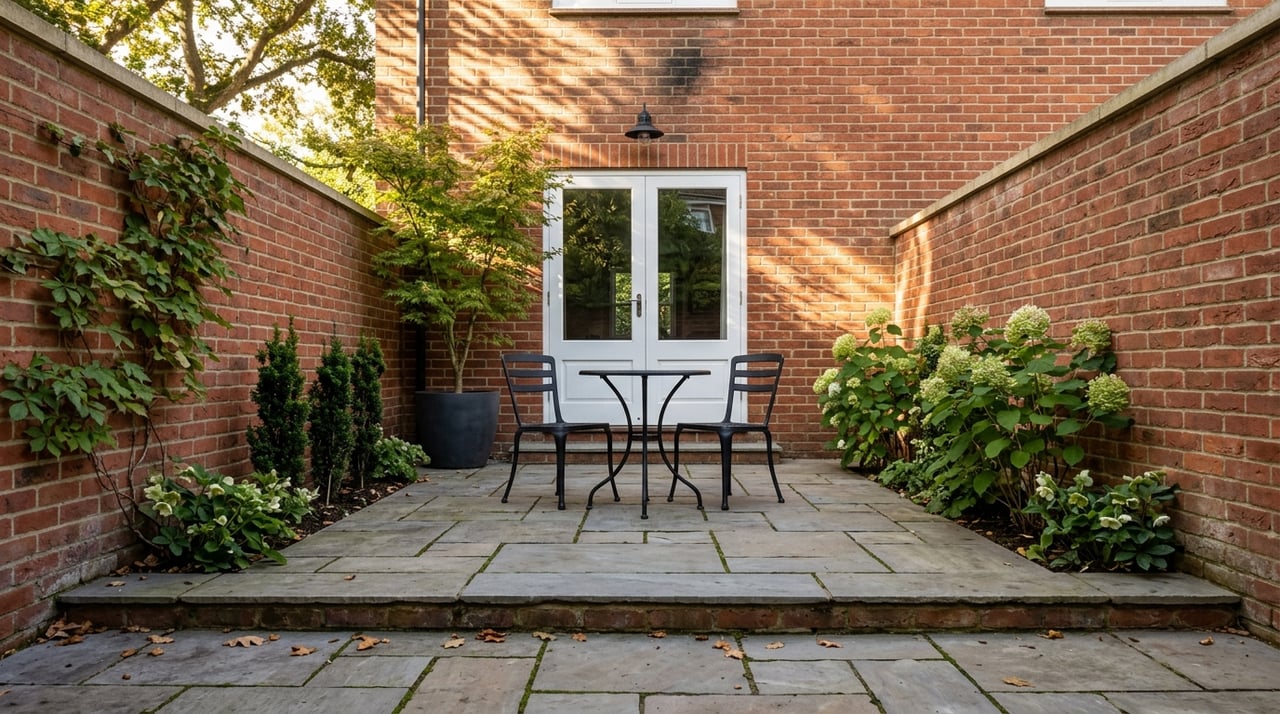
Looking for outdoor space in the Fan or Museum District often starts with the wrong picture. If you expect a big backyard, these neighborhoods may surprise you. But if you value a front porch that connects you to the street, a private patio tucked behind brick walls, or a park you can reach on foot, you may find that outdoor living here feels richer than square footage alone suggests. Let’s dive in.
Why outdoor space feels different here
In the Fan and Museum District, outdoor living is shaped by historic, urban design. These are dense early-20th-century neighborhoods where homes sit close to the street, tree cover softens the blocks, and porches play a visible role in daily life.
The Fan Area Historic District spans nearly 100 blocks with more than 2,000 buildings, according to the Virginia Department of Historic Resources. The Museum District, also known historically as West of the Boulevard, covers 69 blocks with more than 1,700 contributing buildings, many of them attached two-story brick town houses with front porches.
That built form matters when you shop for a home. In both neighborhoods, outdoor space often works as a series of connected zones rather than one large yard. You may have a shallow front garden, a porch or stoop facing the sidewalk, and a more private rear patio, terrace, deck, or pocket garden.
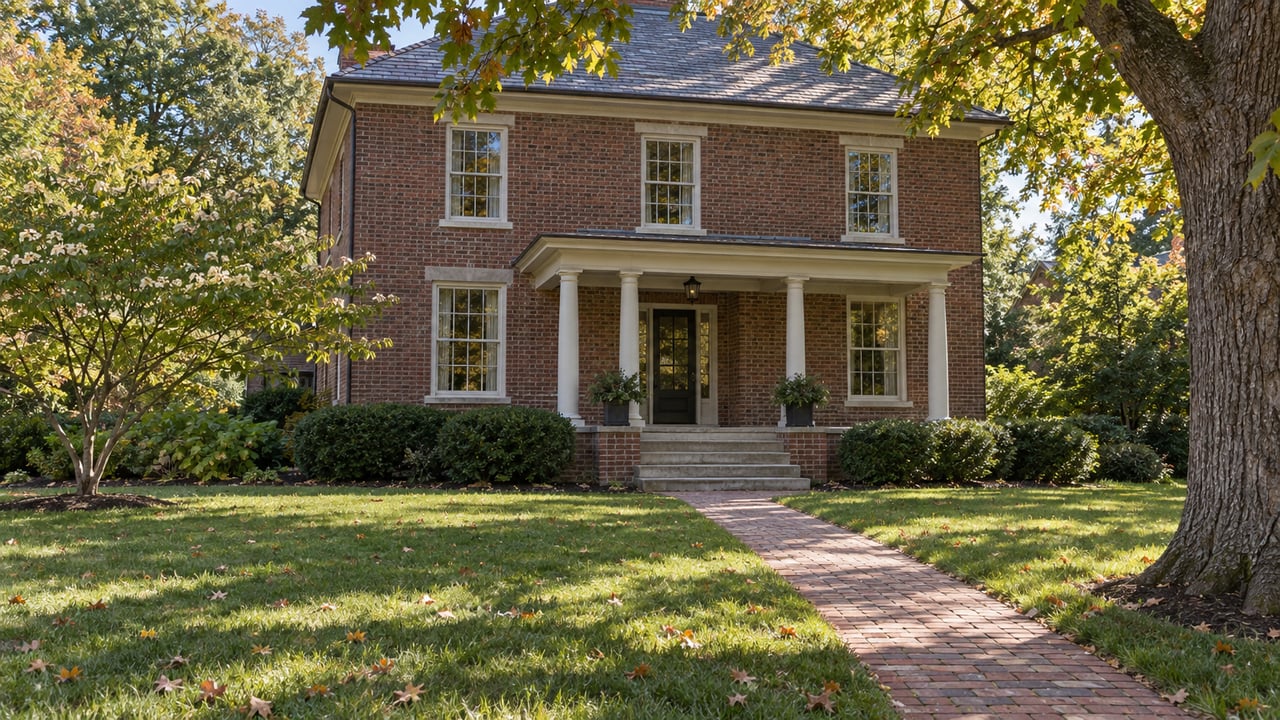
Porches shape the street experience
A porch in the Fan or Museum District is not just an architectural detail. It is part of how the home meets the block.
Historic records for the Fan show that substantial front porches were often replaced over time with decks, stoops, terraces, or patios, while backyards became pocket gardens. In the Museum District, city design guidelines identify front porches as one of the features that help define the neighborhood’s historic character.
That is one reason porches feel so central here. They create a social threshold between public and private space. Even when a home has limited yard area, the porch can make the outdoor experience feel welcoming, useful, and connected to the rhythm of the street.
Patios and rear spaces do a lot of work
In these neighborhoods, private outdoor living usually happens in the rear of the property. That space may be compact, but it can still be highly functional.
Historic documentation notes service alleys, small garages, repurposed carriage houses, and urban lot patterns that make rear patios and courtyards more practical than a traditional backyard. For many buyers, that means the question is not “How big is the yard?” but “How well does the outdoor space work?”
A small patio with privacy, rear access, and room for dining or container gardening may offer more everyday value than a larger but less usable yard elsewhere. In the Fan and Museum District, efficient design often matters more than raw size.
Parks extend your outdoor footprint
One of the biggest advantages of these neighborhoods is that your outdoor living does not stop at the property line. Nearby public spaces often function like an extension of home.
Richmond lists Meadow Park at 1900 Stuart Avenue as a park greenspace and tot lot with sunrise-to-sunset access. Scuffletown Park at 404 Strawberry Street adds another small greenspace experience tucked into the neighborhood fabric.
Monroe Park, at 620 West Main Street, is Richmond’s oldest park and sits adjacent to Virginia Commonwealth University. The city notes that it offers free Wi-Fi and is heavily used by students, making it one of the area’s more active public spaces.
The Virginia Museum of Fine Arts also plays an important role in neighborhood outdoor life. The museum describes the E. Claiborne and Lora Robins Sculpture Garden as a 3.5-acre outdoor space with gardens, a cascading waterfall, and public sculpture, open and free to the public.
For buyers, this matters. If you live in the Fan or Museum District, walkable access to parks and museum grounds can supplement limited private yard space in a meaningful way.
The Museum District’s outdoor rhythm
The Museum District is widely recognized for its tree-lined streets and walkable setting. The Museum District Association describes the area as a pedestrian-oriented neighborhood with brick row houses, detached townhouses, apartments, churches, schools, and museums.
That context helps explain why front porches remain such an important visual and functional feature. In a neighborhood where homes are close together and blocks are easy to navigate on foot, outdoor space often supports daily routines in small but steady ways.
You might use a front porch for morning coffee, a rear patio for dinner, and a nearby park for open-air downtime. The experience is layered, and that is part of the appeal.
The Fan’s outdoor character
The Fan offers a similar pattern, but with its own historic texture. The Virginia Department of Historic Resources describes a cohesive district with lively rooflines and many porch types, which helps create visual variety from block to block.
The neighborhood’s history also shows how outdoor space evolved over time. As homes adapted to changing needs, porches, stoops, terraces, decks, and pocket gardens became part of the way residents used limited urban lots.
For you as a buyer, this means outdoor living in the Fan often feels personal and creative. One house may lean into a formal front presence, while another may put more emphasis on a quiet courtyard or garden space in the rear.
What buyers should look for
If outdoor space matters to you, it helps to evaluate these homes with the neighborhood context in mind.
Check porch condition
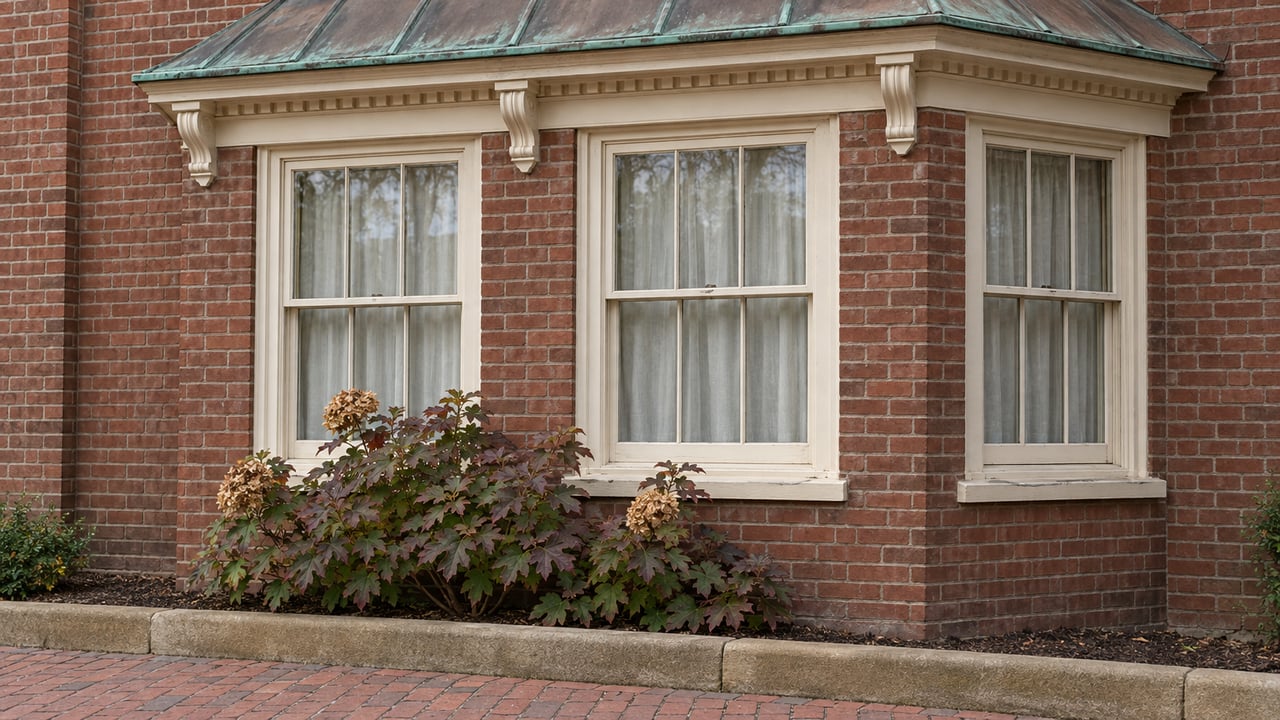
Porch quality is more than cosmetic in these districts. Richmond’s Commission of Architectural Review notes that visible exterior elements such as porch decking, porch rails, handrails, porch roofs, doors, and windows can fall under review in protected districts.
When you tour a property, look at the porch’s overall condition, materials, and proportions. A porch that fits the architecture and appears well maintained may have practical and long-term value beyond curb appeal.
Notice street orientation
In the Fan, houses often have shallow front yards and narrow side yards, which helps explain why the porch sits close to the sidewalk. Museum District guidelines also emphasize front setback, first-floor elevation, front door, and front porch as important design features.
This layout changes how outdoor space feels. If you want privacy in front, these neighborhoods may not offer that in the same way a suburban lot would. If you like a stronger connection to the street, that may be a benefit.
Evaluate rear access
Rear patios and courtyards can become much more useful when a property has alley access or a functional garage arrangement. Historic records for the Museum District mention service alleys and small garages, while Fan documentation notes that carriage houses were often repurposed as garages or residential rentals.
That kind of rear infrastructure can support easier entertaining, storage, parking, and day-to-day outdoor use. It is worth studying closely during a showing.
Weigh nearby green space
In these neighborhoods, the best outdoor setup may include both private and public space. A smaller patio can feel far more livable when Meadow Park, Scuffletown Park, Monroe Park, or the VMFA sculpture garden is nearby.
As you compare homes, think about your routine. Walkable access to greenspace may matter just as much as lot dimensions.
Why historic district status matters
If you plan to update a porch, railing, door, or other visible exterior feature, district status is important. Richmond’s Commission of Architectural Review states that some items may be handled administratively, but they still require an application and specifications.
That does not mean changes are impossible. It means you should understand the review process before making plans or budgeting improvements.
For buyers of historic homes, this is part of smart due diligence. The charm of these neighborhoods is tied to their architectural consistency, and exterior details often play a direct role in that character.
Outdoor living here is about layers
The Fan and Museum Districts reward a different way of thinking about outdoor space. Instead of one large private lawn, you get a combination of porch life, compact private outdoor rooms, mature street trees, and public green spaces woven into the neighborhood.
For many buyers, that mix feels more usable and more connected to daily life than a traditional backyard model. If you value walkability, historic architecture, and outdoor spaces with character, these Richmond neighborhoods offer a lifestyle that is both practical and distinctive.
If you are comparing homes in the Fan or Museum District, working with a team that understands historic context, block-by-block differences, and the details that shape value can make your search much clearer. Chris Small Group offers the kind of local, owner-led guidance that helps you evaluate not just the house, but how you will live in it.
FAQs
What kind of outdoor space do homes in the Fan usually have?
- Homes in the Fan often have shallow front yards, porches or stoops near the sidewalk, and smaller rear outdoor spaces such as patios, decks, terraces, or pocket gardens.
What makes Museum District porches important to buyers?
- In the Museum District, front porches are part of the neighborhood’s defining historic character, and their condition, materials, and proportions can matter when evaluating a home.
Which parks serve the Fan and Museum District neighborhoods?
- Nearby public spaces include Meadow Park, Scuffletown Park, Monroe Park, and the Virginia Museum of Fine Arts sculpture garden and grounds.
Do exterior porch changes in Richmond historic districts need review?
- Yes, visible exterior elements such as porch decking, rails, roofs, doors, and windows can fall under review by Richmond’s Commission of Architectural Review in protected districts.
How should buyers judge outdoor space in the Fan and Museum District?
- It helps to look at the full picture, including porch usability, rear patio function, alley or garage access, street orientation, and walkable proximity to nearby green space.