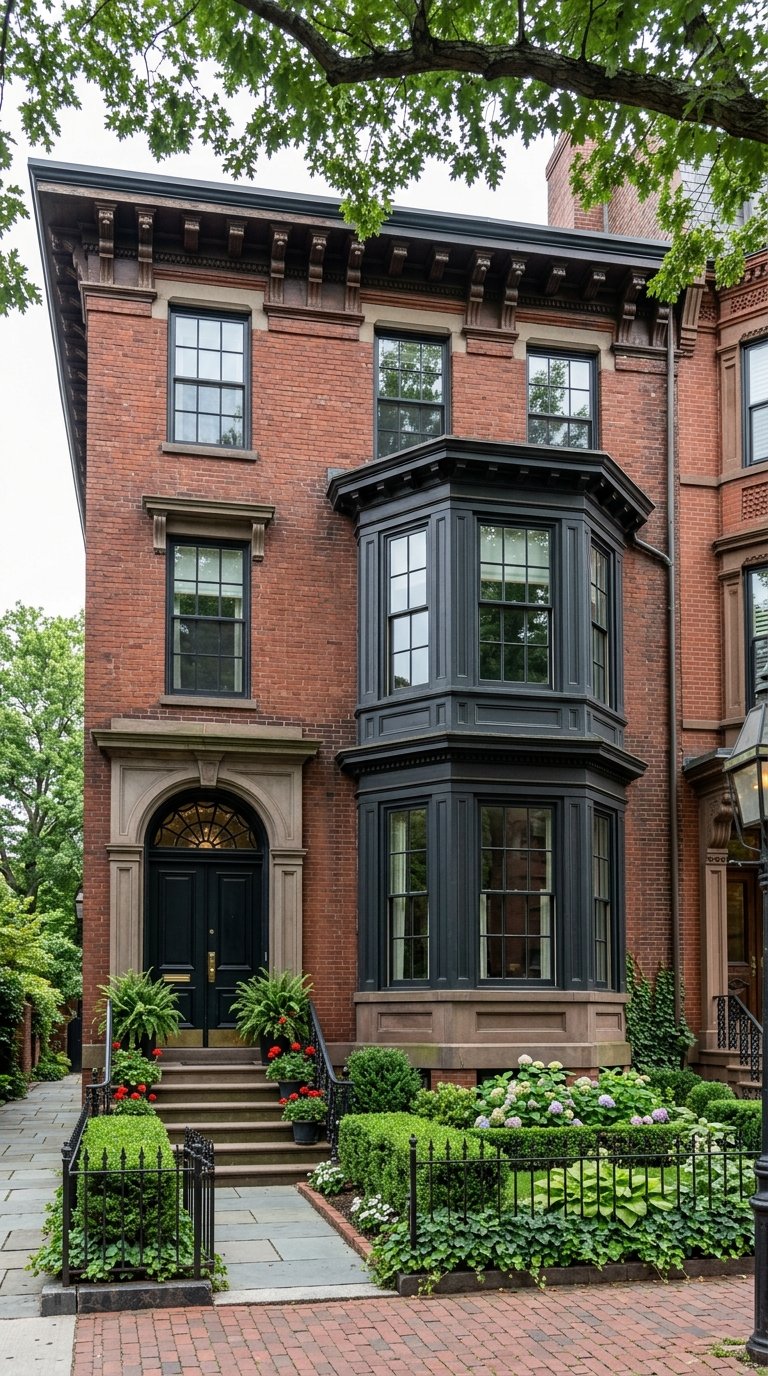
If you are drawn to Monument Avenue, chances are you are not just shopping for square footage. You are responding to a street that feels designed, intentional, and visually unforgettable. For many buyers, the challenge is understanding what they are actually seeing from block to block and how those architectural differences affect layout, upkeep, and value. This guide will help you read the avenue more clearly, from its signature styles to renovation realities and current price ranges, so you can search with more confidence. Let’s dive in.
Why Monument Avenue Feels So Cohesive
Monument Avenue’s appeal comes from more than one famous house style. According to the Virginia Department of Historic Resources, the Monument Avenue Historic District was proposed in 1887, developed mostly between about 1900 and 1930, and later recognized as a National Historic Landmark for its architectural and planning significance.
What makes the street feel unified is not architectural uniformity in the strict sense. Instead, the avenue reads as a composed boulevard because of repeated setbacks, similar rooflines, shared materials, and the way buildings face the street. The American Planning Association’s description of Monument Avenue also highlights its Beaux-Arts-inspired planning, including a tree-lined median, wide right-of-way, and strong emphasis on symmetry and procession.
As you move west, that formality starts to loosen. The National Park Service nomination materials note that some western blocks have smaller homes on larger lots, with a more suburban feel and a less uniform mix of houses, duplexes, and apartments. For buyers, that means the avenue offers both a strong overall identity and meaningful variety from one section to the next.
Colonial and Georgian Revival Basics
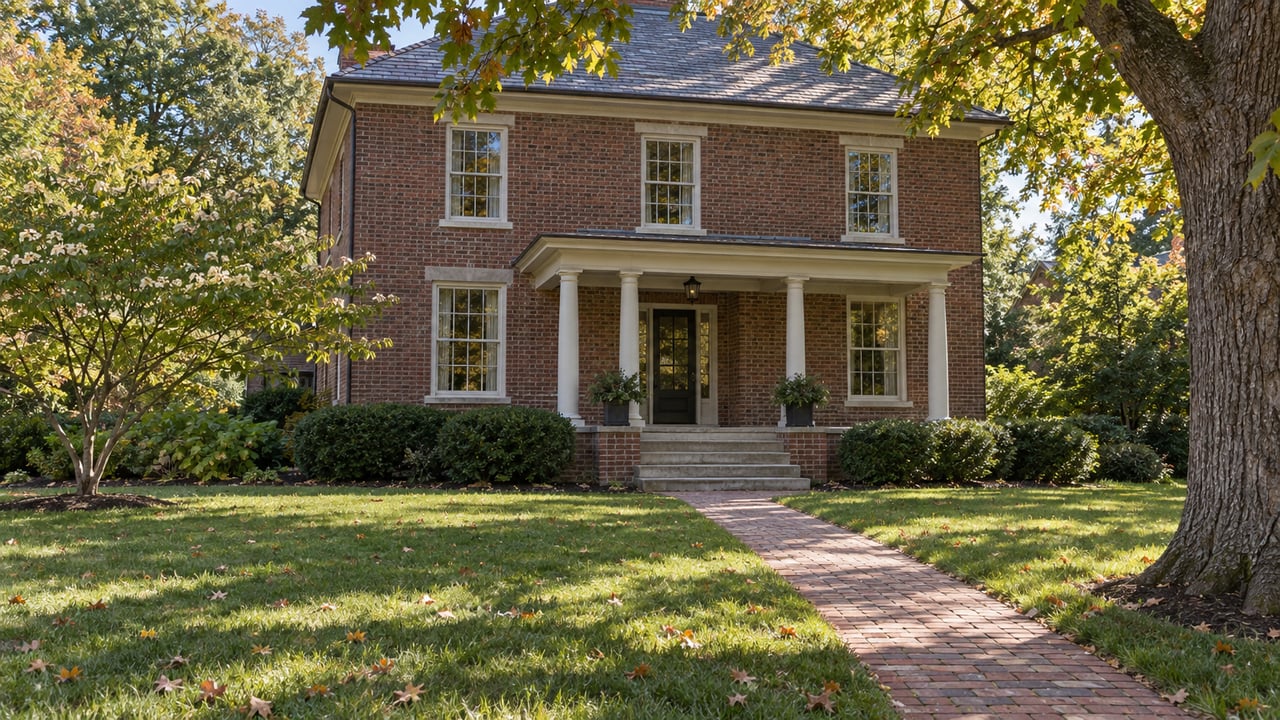
For many buyers, Colonial Revival and Georgian Revival are the easiest styles to recognize first because they appear so often along the core blocks of the avenue. These homes typically feature symmetrical facades, side-gabled or hipped roofs, central entrances, and classical details like pediments, transoms, fanlights, sidelights, and modest porches.
On Monument Avenue, these styles often appear in a slightly adapted form. The NPS documentation explains that two-bay Colonial Revival homes became common because full three-bay facades were more expensive to build on one of Richmond’s most prestigious residential streets. That gives many houses a narrower, more vertical look while still preserving the symmetry and restraint buyers often associate with classic architecture.
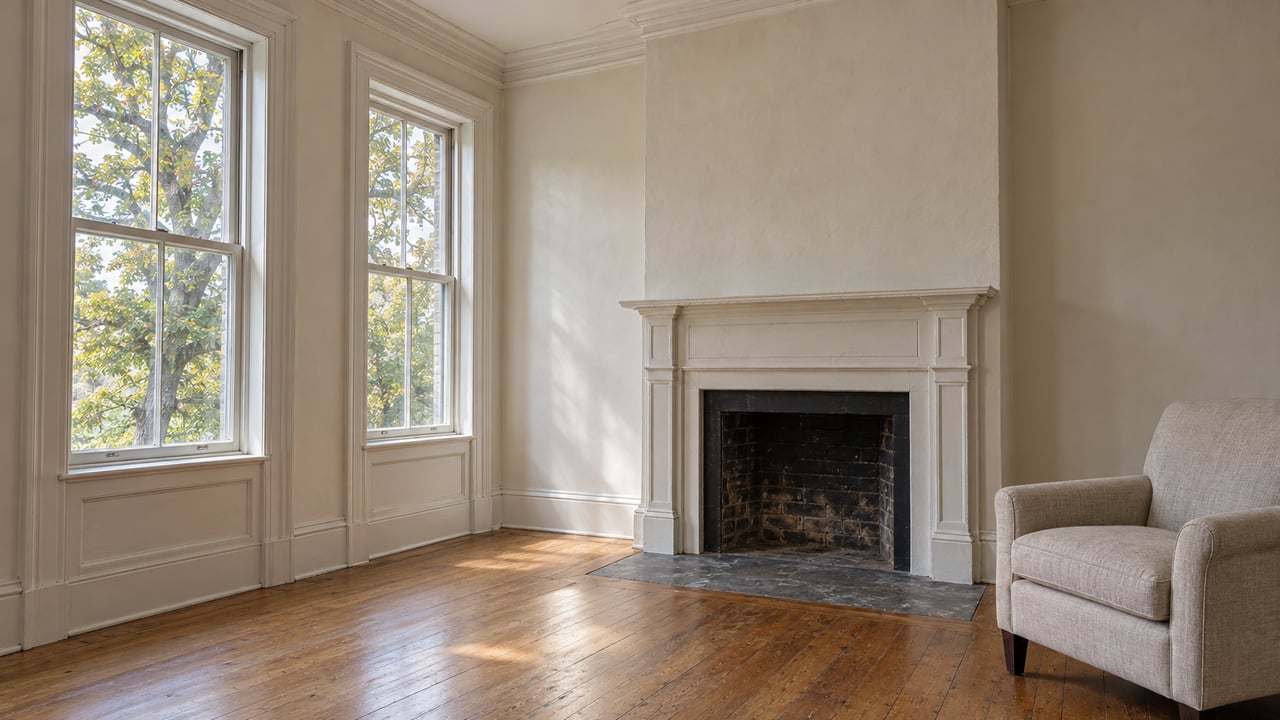
If you like orderly floor plans and formal front rooms, this style may feel especially appealing. These homes often translate into center-hall or balanced room arrangements, with parlors and dining rooms at the front and service or later-added living spaces toward the rear.
Beaux-Arts and Classical Grandeur
If a home or apartment building feels especially formal, monumental, or ceremonial, you may be looking at Beaux-Arts or Classical Revival influence. That makes sense, because Monument Avenue itself was conceived as a Beaux-Arts planning statement.
The NPS materials on the district’s architecture point to broad facades, strong symmetry, parapets, stone window surrounds, and formal ornament as common traits in these larger buildings. You will see this language in both single-family houses and apartment buildings, which helps explain why even multifamily properties on the avenue often feel stately rather than purely utilitarian.
For buyers, these homes can offer impressive scale and presence. They may also come with more elaborate exterior detailing, which can be a meaningful part of both the property’s appeal and its long-term maintenance picture.
Mediterranean and Spanish Influence
Not every Monument Avenue home reads as brick-and-symmetry traditional. Some of the avenue’s most visually distinctive properties draw from Mediterranean Revival and Spanish Colonial Revival design.
These homes and buildings are typically easier to identify at a glance. The NPS nomination describes common cues such as stucco walls, low-pitched tile roofs, arched openings, balconies, and villa-like massing. Landmark examples on the avenue include the Stuart Court Apartments and the Jacquelin Taylor House, which is described as an enormous Mediterranean villa.
Inside, these properties often feel less rigid than Colonial or Georgian homes. You may find more flowing transitions, porch bays, arches, and indoor-outdoor style spaces that create a softer, more relaxed sense of movement.
Tudor Revival Details to Watch
Tudor Revival adds another layer to Monument Avenue’s architectural mix. If you see steep gables, patterned masonry, leaded glass, or prominent chimneys, you are likely in Tudor territory.
The NPS record for Monument Avenue architecture identifies Branch House at 2501 Monument and the Stuart McGuire House at 2304 Monument as signature examples. Smaller Tudor cottages and rowhouses also appear on other blocks, showing how the style scales from grand to more compact forms.
From a floor plan standpoint, Tudor homes often feel less boxy than their Colonial counterparts. Projecting pavilions, irregular massing, and varied rooflines can create memorable interiors, though they can also mean less predictable room shapes and renovation choices.
Eclectic Styles Add Personality
One of Monument Avenue’s real strengths is that it is not a one-note historic district. The avenue also includes Queen Anne, Renaissance Revival, Romanesque, Craftsman, and Prairie details, especially in apartment buildings and transitional areas.
The NPS nomination materials make an important point here: many Monument Avenue properties are hybrid or eclectic rather than pure textbook examples. For design-minded buyers, that is often part of the appeal. You are not just buying a style label. You are buying a home that may blend influences in a way that feels specific to Richmond and specific to its block.
How Style Shapes Floor Plans
Architecture is not just about curb appeal. Along Monument Avenue, style often gives you clues about how a home lives day to day.
More symmetrical homes often have formal, front-facing entertaining rooms and clearly separated circulation. The research report points to homes like 2204 Monument Ave as examples of a gracious entry, sweeping staircase, formal rooms, a sun porch, and later kitchen or family room updates that preserve the original structure while supporting modern living.
Lot shape matters too. The NPS district documentation notes that narrower lots encouraged compact two-bay facades, while wider or more angled lots in western sections allowed more horizontal homes, side porches, sunrooms, and irregular wings. If you are comparing homes on different blocks, this is one reason two similarly priced properties can live very differently.
Apartments and Conversions Matter Too
Monument Avenue is not only a single-family market. Apartment buildings and residential conversions are an important part of the corridor’s housing mix.
The avenue includes large apartment houses with notable front elevations, multi-level porches, and arcaded ground floors. The NPS and APA materials also note that some older houses later became offices, apartments, or assisted-living uses, which helps explain the broad range of property types buyers may encounter along or near the avenue.
That variety can be a real advantage if you want Monument Avenue architecture without taking on a full-scale historic house. Condo and apartment-style options can provide access to the location and aesthetic at a different price point and with a different maintenance profile.
Historic Review and Renovation Rules
If you are considering changes to a Monument Avenue property, exterior work deserves careful attention early in the process. Monument Avenue sits within Richmond’s Old and Historic District system, and the City of Richmond’s Commission of Architectural Review reviews exterior changes through Certificates of Appropriateness.
The city notes that some items may qualify for staff-level approval, including painting, replacement doors, porch decking, handrails, porch roof replacements, and exterior storm windows and doors. At the same time, the guidelines emphasize retaining original features and materials, including windows, roofs, porches, entrances, stucco, masonry, and trim.
That is an important practical distinction for buyers. The National Historic Landmark bulletin explains that federal landmark designation does not itself regulate ownership or use, but local historic district rules do affect exterior work. In other words, renovation planning here is not just a design conversation. It is also a process conversation.
What Buyers Can Expect on Price
Monument Avenue is typically a thin-inventory, high-value market rather than a neighborhood with large numbers of available listings. As of April 2026, Redfin’s Monument Avenue market snapshot shows a median listing price of $895,000, with only three luxury homes on the market and a typical market time of about 11 days.
Price varies widely by property type, condition, and scale. Based on the current snapshot in the research report, condo or apartment-style properties can sit in roughly the mid-$400,000s to $600,000s, while restored historic houses often fall around $1 million to $2 million. Landmark-scale homes can rise well above that range.
The key takeaway is that architecture and preservation quality matter here. A fully renovated historic house on a prime block may command a very different price than a smaller condo conversion or a property that still needs significant exterior and systems work.
How to Shop Monument Avenue Smartly
If you are serious about buying on Monument Avenue, it helps to look beyond style names and ask practical questions about fit.
Consider focusing on these points:
- Block character: The avenue changes as you move west, so compare the formality, lot sizes, and housing mix from section to section.
- Layout: Formal center-hall plans, wider villa-like layouts, and condo conversions all support different lifestyles.
- Exterior obligations: Window replacement, porch work, stucco repair, and additions may require review.
- Property type: Single-family houses, apartment buildings, and condo units each carry different maintenance and ownership considerations.
- Renovation history: Updated kitchens and family spaces can add function, but quality and preservation sensitivity matter.
For many buyers, the best purchase is not simply the most famous house or the most ornate facade. It is the property whose architecture, condition, and review constraints line up with the way you want to live.
Monument Avenue rewards careful buyers. If you want help comparing architectural styles, evaluating preservation issues, or identifying the right fit among historic houses, condos, and architecturally significant properties in central Richmond, the team at Chris Small Group can help you navigate the search with local insight and a clear strategy.
FAQs
What architectural styles are most common on Monument Avenue in Richmond?
- The most common styles buyers are likely to see include Colonial Revival, Georgian Revival, Beaux-Arts, Classical Revival, Mediterranean Revival, Spanish Colonial Revival, and Tudor Revival, along with smaller examples of Queen Anne, Romanesque, Craftsman, and Prairie details.
What makes Monument Avenue feel architecturally unified?
- Monument Avenue feels cohesive because of shared setbacks, similar rooflines, recurring materials, and consistent street orientation, even though the individual homes and buildings represent several different architectural styles.
What floor plans are typical in Monument Avenue historic homes?
- Many of the more symmetrical historic homes have center-hall or balanced layouts with formal front rooms, while Tudor and Mediterranean homes often have more irregular massing, arches, porches, sunrooms, or wing-like additions.
What should buyers know about renovating a Monument Avenue property?
- Buyers should know that exterior changes are subject to review through Richmond’s Commission of Architectural Review, and original features such as windows, porches, masonry, stucco, roofs, and trim are generally important preservation considerations.
What is the typical price range for Monument Avenue real estate?
- Based on the April 2026 market snapshot in the research report, Monument Avenue properties range from condo or conversion units in roughly the mid-$400,000s to $600,000s, to renovated historic houses around $1 million to $2 million, with larger landmark homes priced above that.
Are there condos and apartment-style homes on Monument Avenue in Richmond?
- Yes, Monument Avenue includes apartment buildings, condo-style properties, and residential conversions, which can offer a different entry point into the area than a large single-family historic house.