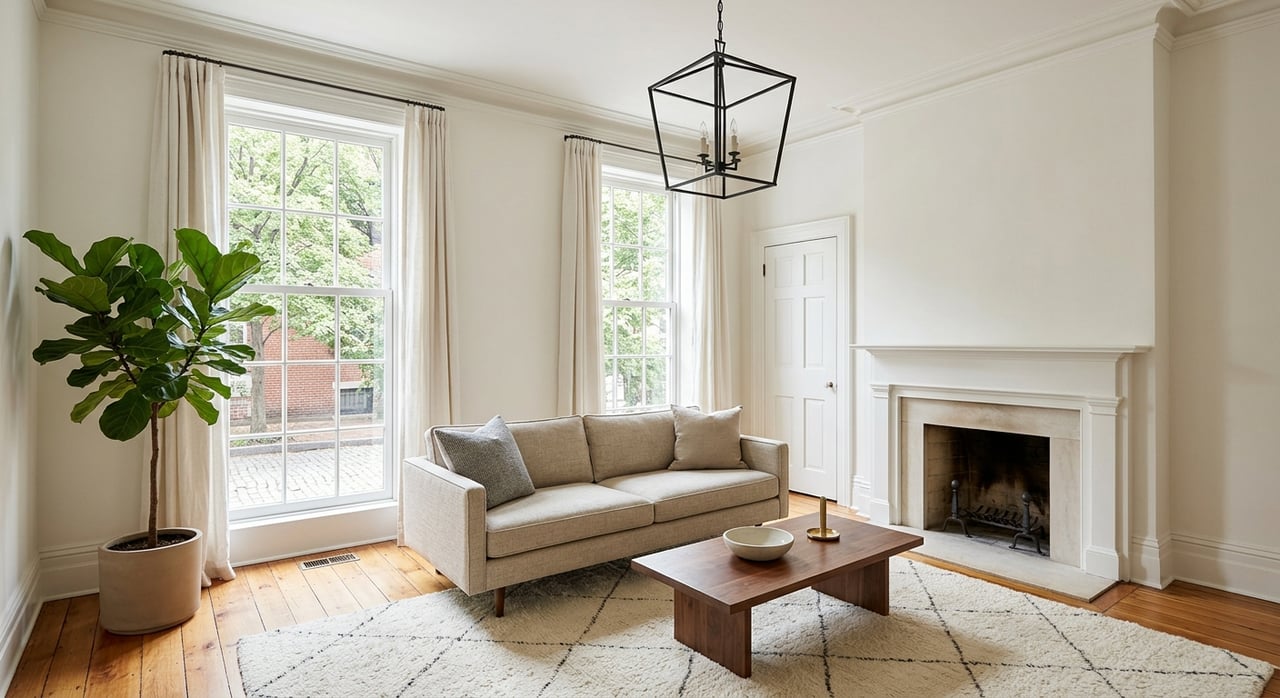
If you are drawn to historic architecture, city views, and the ease of walking to coffee, dinner, or a park, Church Hill tends to leave a strong impression. It offers one of Richmond’s most established neighborhood identities, but daily life here is not frozen in time. Today, Church Hill blends preserved homes, active local businesses, and a community-centered rhythm that feels both historic and current. Let’s dive in.
Church Hill’s character stands out
Church Hill is widely recognized as Richmond’s oldest surviving residential neighborhood, and that history is easy to feel as you move through the area. According to the City of Richmond’s historic preservation resources, the St. John’s Church Old and Historic District was created in 1957 as the city’s first Old & Historic District.
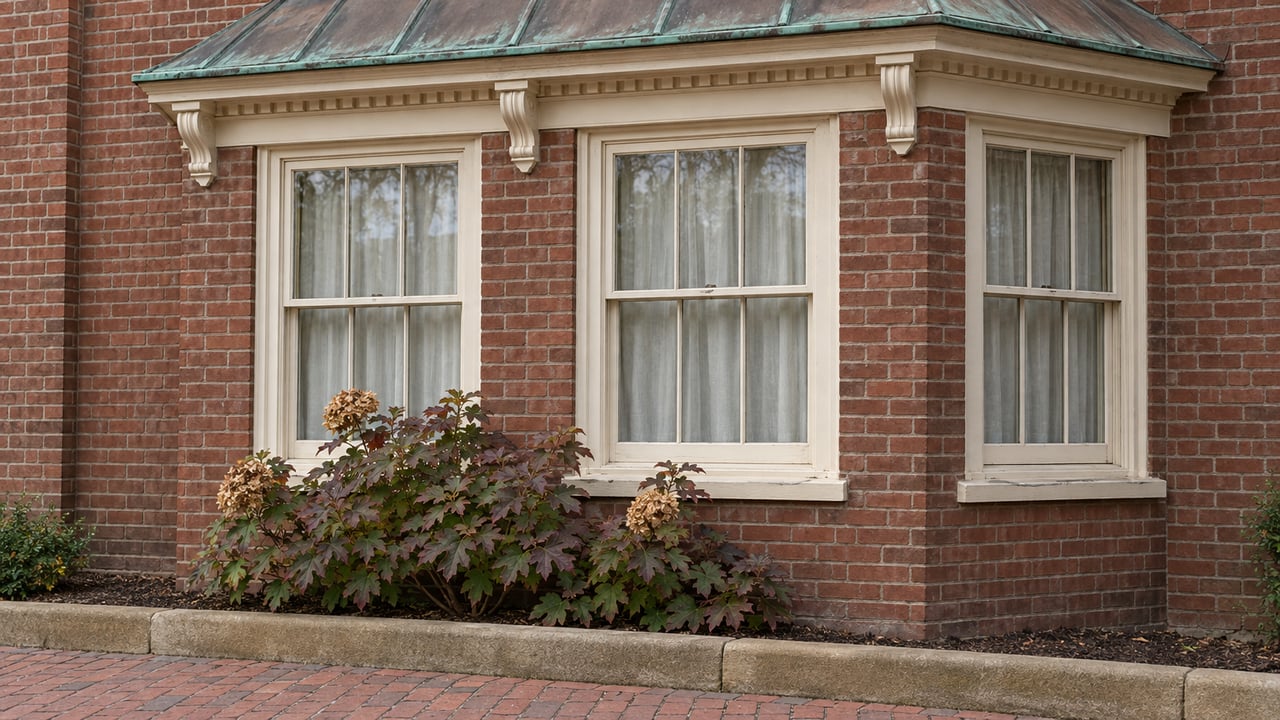
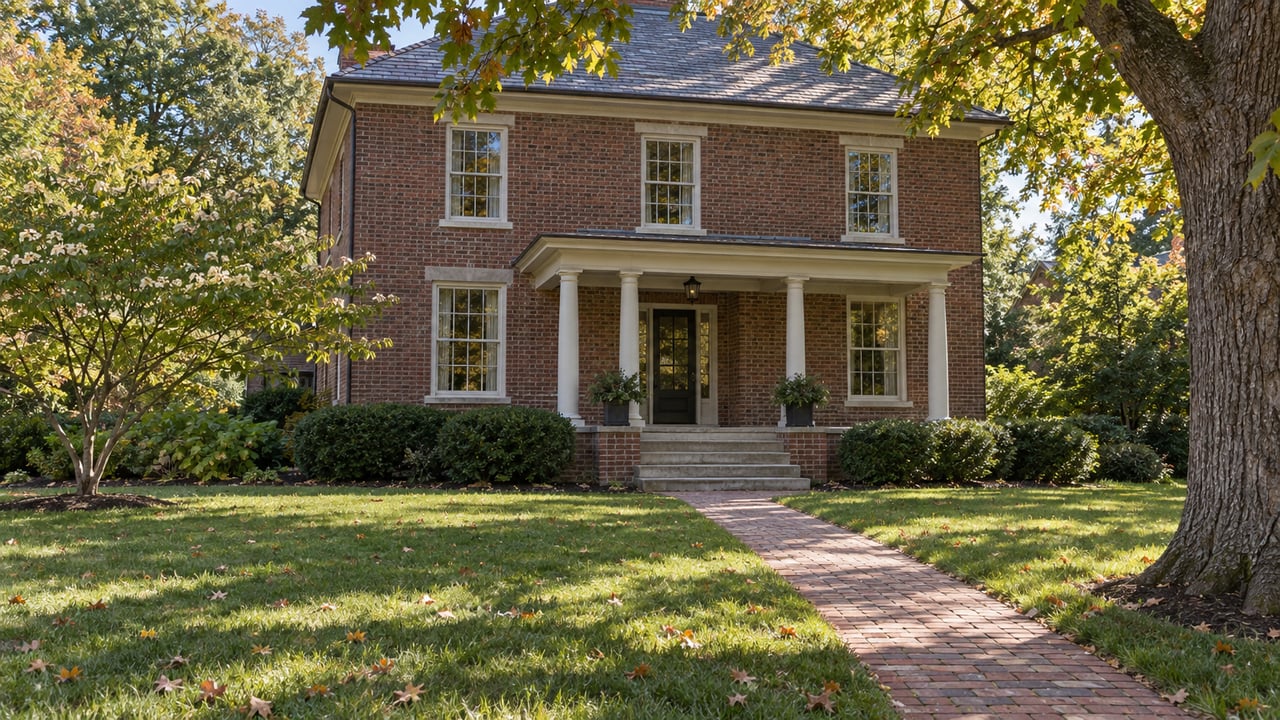
That long preservation history shapes the look and feel of the neighborhood today. Streets are lined with homes and buildings representing Federal, Greek Revival, Victorian, Italianate, and Queen Anne architecture, a mix also noted in recent Virginia Living coverage of Church Hill. If you value original detail, architectural variety, and a sense of place, Church Hill offers all three in a very visible way.
The hilltop setting changes daily life
Church Hill is not just historic. It is also defined by its topography. The neighborhood rises above the James River, and that elevation gives it a different feel than flatter parts of the city.
Libby Hill is one of the most recognizable parts of that setting, and the city lists Libby Hill Park and other nearby park assets as key neighborhood amenities. Chimborazo Park adds even more outdoor space, with 30 acres, a 180-foot city view, a dog park, and access to a nearby community garden. In practical terms, that means your day-to-day environment often includes overlooks, sloped streets, green space, and places to gather outdoors.
Walkability is a real lifestyle feature
One of the biggest reasons people are drawn to Church Hill is how much you can do close to home. The Church Hill Association describes walkability to shops and restaurants as excellent, and that matches the neighborhood’s current business mix.
You can see that convenience in the local lineup. Riverbend Roastery serves house-roasted coffee and baked goods, The Hill Café remains a neighborhood staple, Metzger Bar & Butchery is active for dinner and brunch, Pink Room offers cocktails and snacks, Sub Rosa Bakery continues to draw attention for its breads and pastries, and The Market at 25th functions as a full-service grocery in the neighborhood core. For many residents, that means errands, coffee stops, and evening plans can all happen without much driving.
Mornings and evenings feel different here
Church Hill has a distinct daily rhythm. In the morning, the atmosphere tends to center on coffee, bakery runs, dog walks, and quick errands. By evening, many of the same blocks shift toward dining, conversation, and views at sunset.
That pattern is reflected in recent Virginia Living reporting on the neighborhood’s flow from early coffee stops to dinner-hour energy. If you want a neighborhood that feels active without being purely commercial, Church Hill often strikes that balance well.
Parks play a big role in routine
Outdoor access is not just a bonus in Church Hill. It is part of how many people use the neighborhood. The city highlights Chimborazo Park, Libby Hill Park, Jefferson Park, and the Virginia Capital Trail among the area’s park and trail resources on its parks and recreation pages.
That matters because these are usable, everyday amenities. They support walking, casual recreation, dog outings, fresh air, and scenic breaks during the day. The Chimborazo Playground Community Garden also includes more than 20 plots maintained by local gardeners, which adds another layer of neighborhood participation and outdoor life.
Community identity still feels visible
Some neighborhoods have history on paper. Church Hill tends to show its community identity in real time. Neighborhood-scale events and volunteer energy still play an important role in how the area presents itself.
The Church Hill Association’s calendar includes events like the Spring Fest & Market at Libby Hill Park and the Holiday House Tour, which features both historic homes and newer construction. That kind of programming suggests a neighborhood where preservation, local gathering, and civic involvement still matter to residents.
Who lives in Church Hill today
Church Hill does not fit a single demographic profile, and that is part of what makes it interesting. Available data and neighborhood reporting point to a mix of longtime residents, newer buyers, and renters rather than one uniform resident base.
A current Census Reporter profile for a central Church Hill census tract shows a median age of 37.3, median household income of $108,295, median owner-occupied home value of $672,000, and a mean commute time of 18.2 minutes. Those numbers are best viewed as a snapshot of a core area, not the entire neighborhood, but they do suggest a population that is relatively close to downtown and comfortable with urban living.
Additional context from the Better Housing Coalition’s Church Hill overview describes North Church Hill as about one mile from downtown Richmond and accessible to highways, public transportation, and health care. The same source notes that the area has attracted renovators, professionals, and young families, while also acknowledging that rising home prices and rents have changed affordability for some longtime neighbors.
What the housing experience feels like
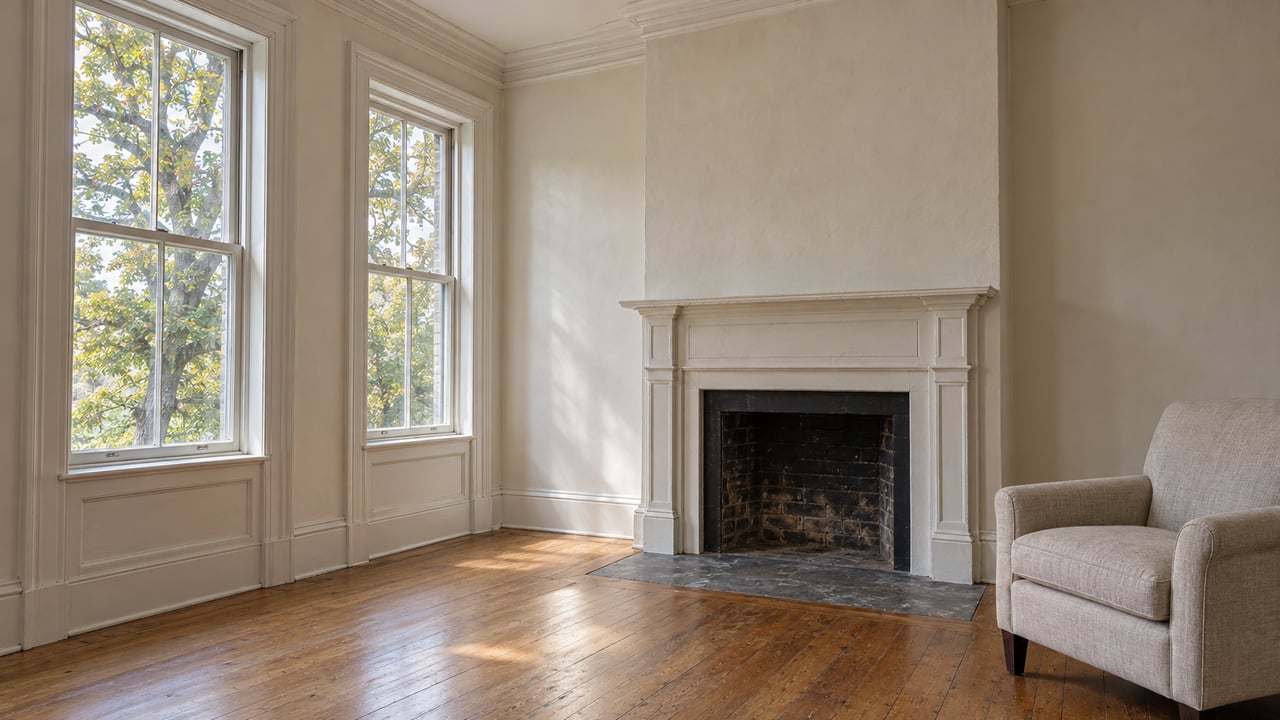
From a housing perspective, Church Hill often appeals to buyers who want more than simple square footage. Many are looking for historic character, preserved details, and a walkable urban setting that feels distinct from newer development patterns.
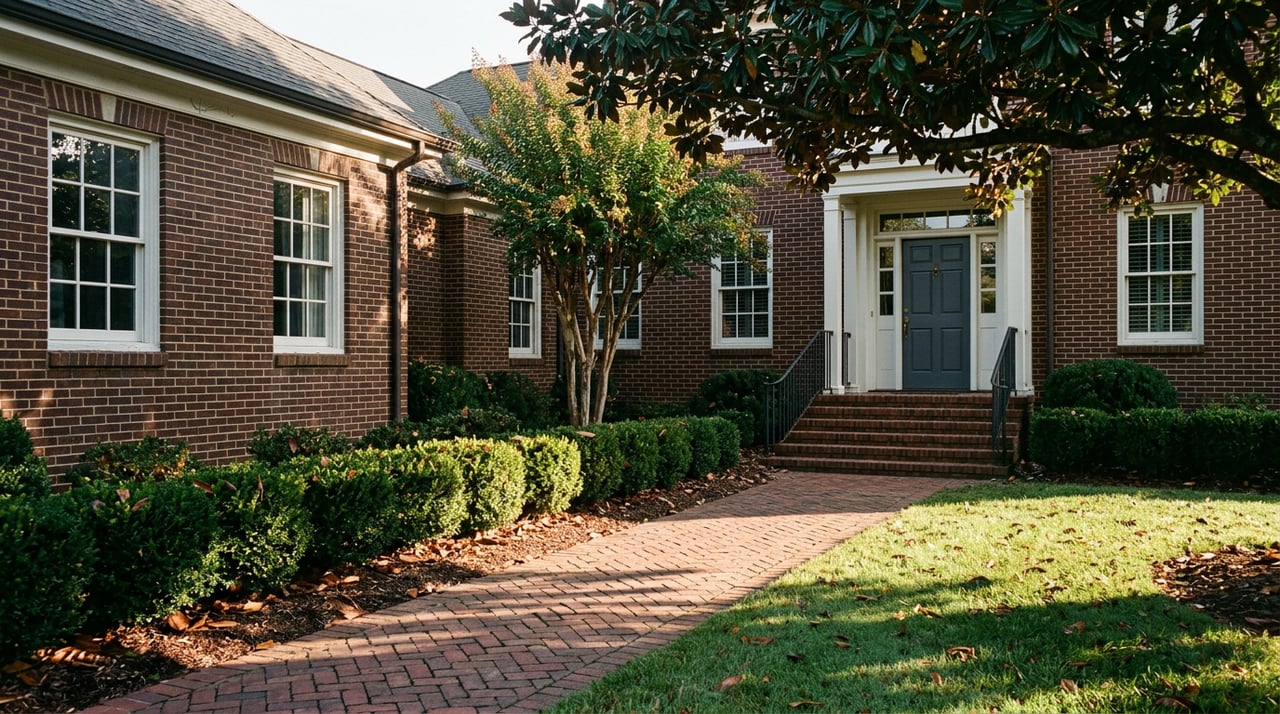
The neighborhood’s housing stock includes historic homes, selective infill, and a block-by-block mix of building types and price points. That means your experience can vary meaningfully depending on the street, the level of renovation, and how close you are to parks, restaurants, or commercial nodes. Buyers who appreciate nuance often respond well to Church Hill because it rewards close attention.
Why buyers keep choosing Church Hill
For many buyers, the appeal comes down to a few qualities working together:
- Historic architecture with visible preservation and design character
- Walkability to coffee shops, restaurants, and a neighborhood grocery option
- Park access that supports daily routines and city views
- Close-in location near downtown Richmond
- A strong sense of identity shaped by events, local institutions, and civic involvement
If that combination matches your priorities, Church Hill can feel highly livable in a way that is hard to replicate. It offers urban convenience, but it does so with texture, history, and a neighborhood personality that remains very specific to Richmond.
What to keep in mind before moving
Church Hill is appealing, but it is not one-note. The neighborhood includes a mix of home values, building styles, activity levels, and degrees of renovation from one block to the next. That is part of its charm, but it also means you benefit from looking carefully at the micro-location, not just the neighborhood name.
It also helps to be honest about what you want most. If you love preserved architecture, local businesses, outdoor gathering spaces, and a close-in city location, Church Hill may check many boxes. If your priorities are a more uniform housing stock or a flatter streetscape, your comfort level may vary depending on the exact section you explore.
The bottom line on Church Hill living
Church Hill today feels like an old Richmond neighborhood with modern demand. You get preserved homes, notable architecture, respected local food and coffee spots, strong park access, and a community identity that still shows up in daily life.
For buyers who want history and convenience in the same place, Church Hill remains one of the city’s most compelling options. If you are considering a move to Church Hill or weighing how it compares with other historic Richmond neighborhoods, the Chris Small Group can help you evaluate the block-by-block differences, property types, and lifestyle tradeoffs with a clear, local perspective.
FAQs
What is daily life like in Church Hill, Richmond?
- Daily life in Church Hill often includes walkable access to coffee, restaurants, parks, and neighborhood errands, with mornings feeling quieter and evenings more social and restaurant-oriented.
What kind of homes are found in Church Hill today?
- Church Hill includes historic homes and selective infill, with architecture ranging from Federal and Greek Revival to Victorian, Italianate, and Queen Anne styles.
Are there parks and outdoor spaces in Church Hill?
- Yes. Church Hill is supported by nearby outdoor assets including Libby Hill Park, Chimborazo Park, Jefferson Park, the Virginia Capital Trail, and a community garden near Chimborazo Playground.
Is Church Hill a walkable Richmond neighborhood?
- Yes. The Church Hill Association describes walkability to neighborhood shops and restaurants as excellent, and the area includes coffee shops, dining options, and a full-service grocery store.
Who tends to move to Church Hill in Richmond?
- Available reporting suggests Church Hill attracts a mix of longtime residents, newer buyers, renters, renovators, professionals, and young families, depending on the block and housing type.