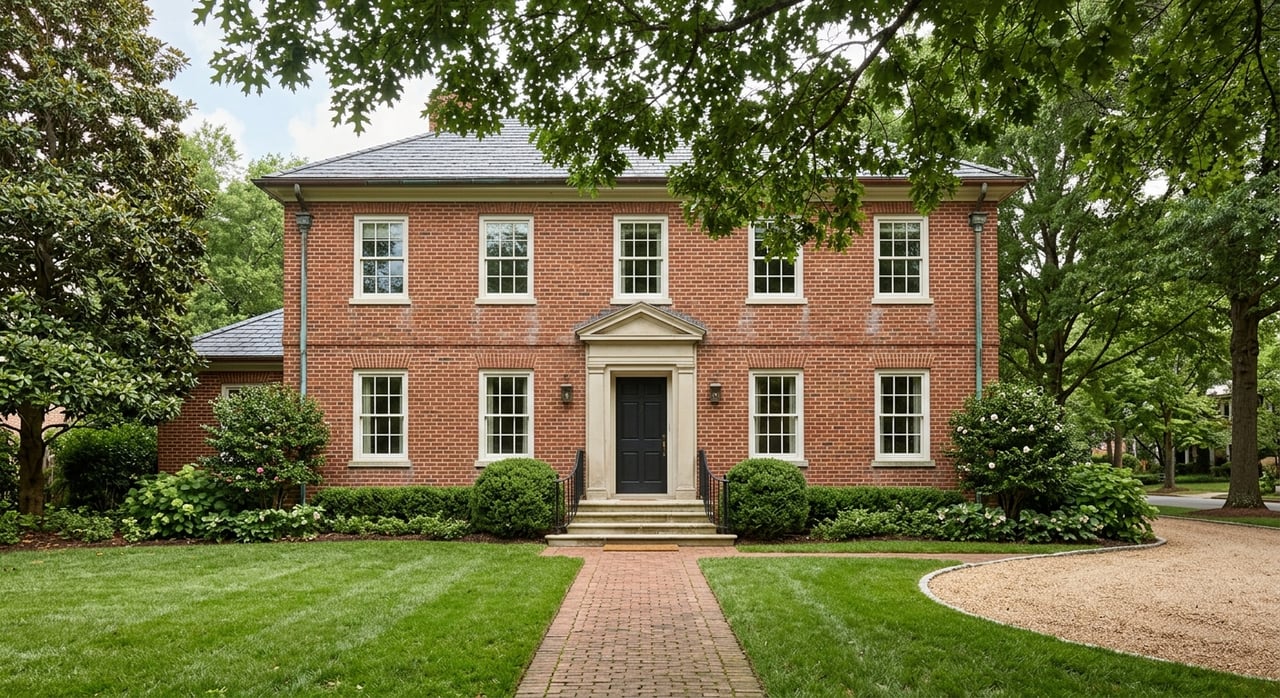
If you are considering Windsor Farms, you are probably looking for more than a house. You are looking for a neighborhood with a distinct feel, practical day-to-day convenience, and the kind of setting that still feels special years after move-in. Windsor Farms stands out for exactly that reason, and this guide will help you understand what everyday life here can actually look like. Let’s dive in.
What Windsor Farms Feels Like
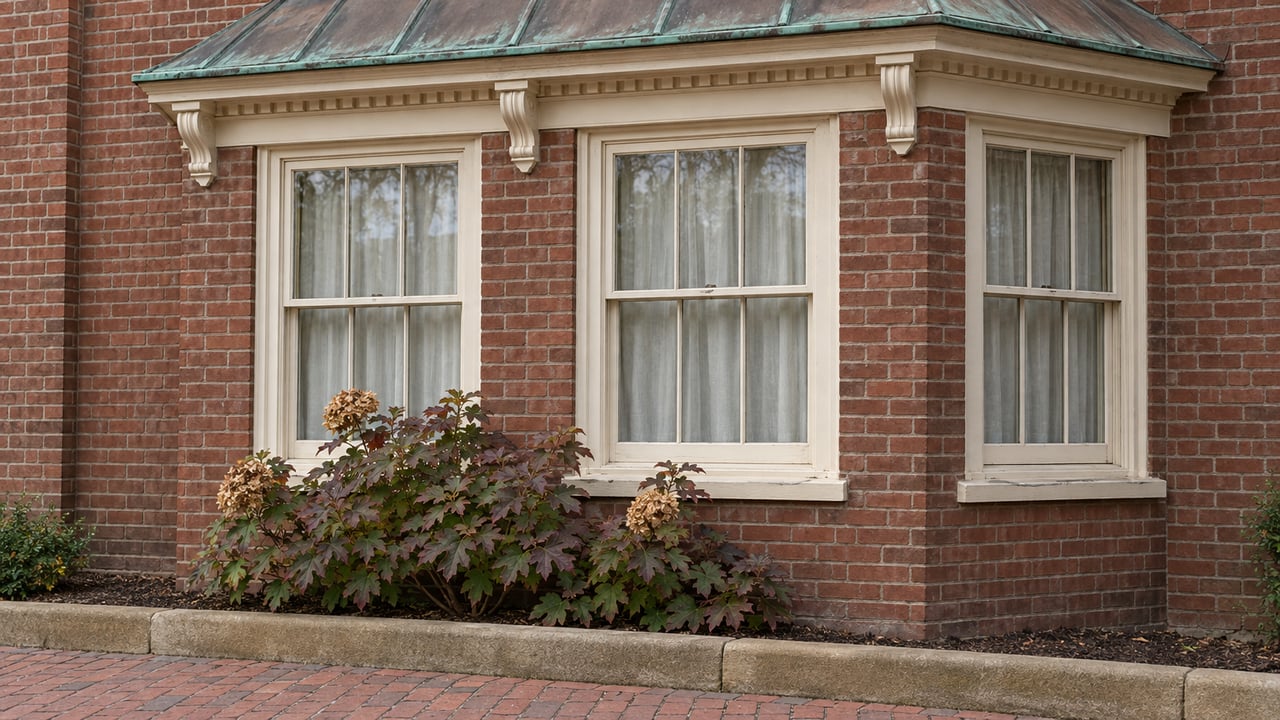
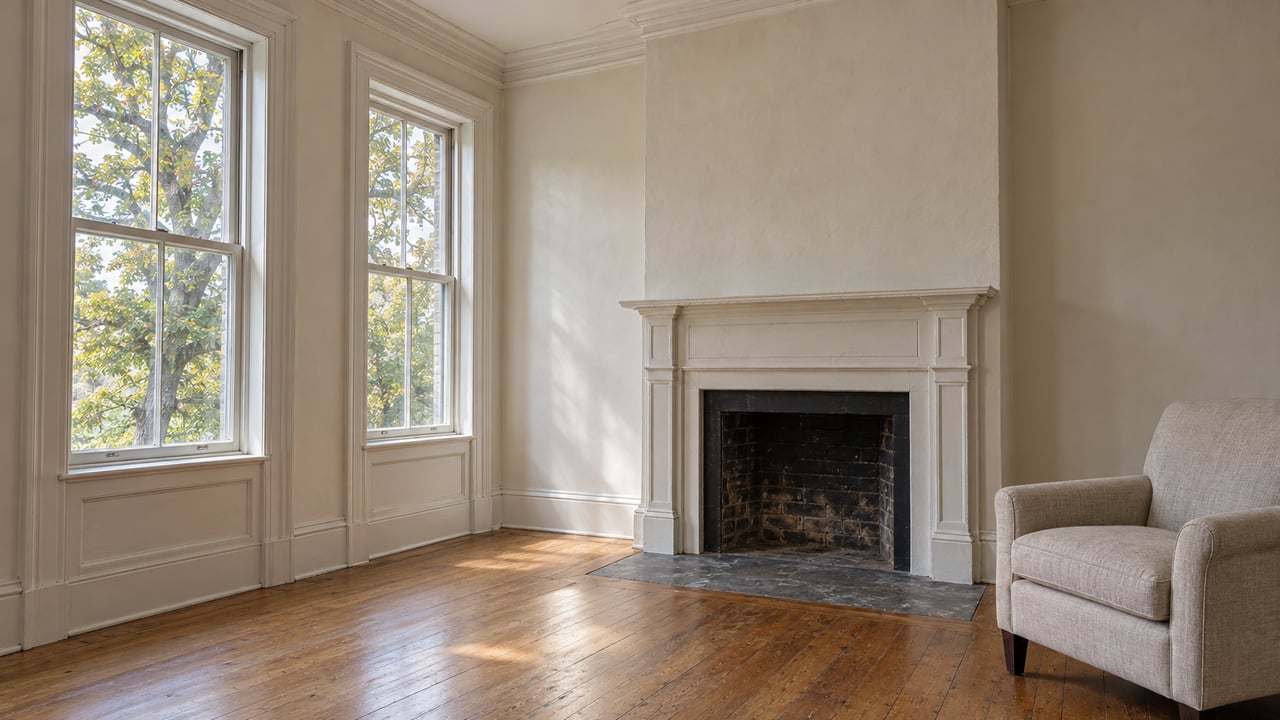
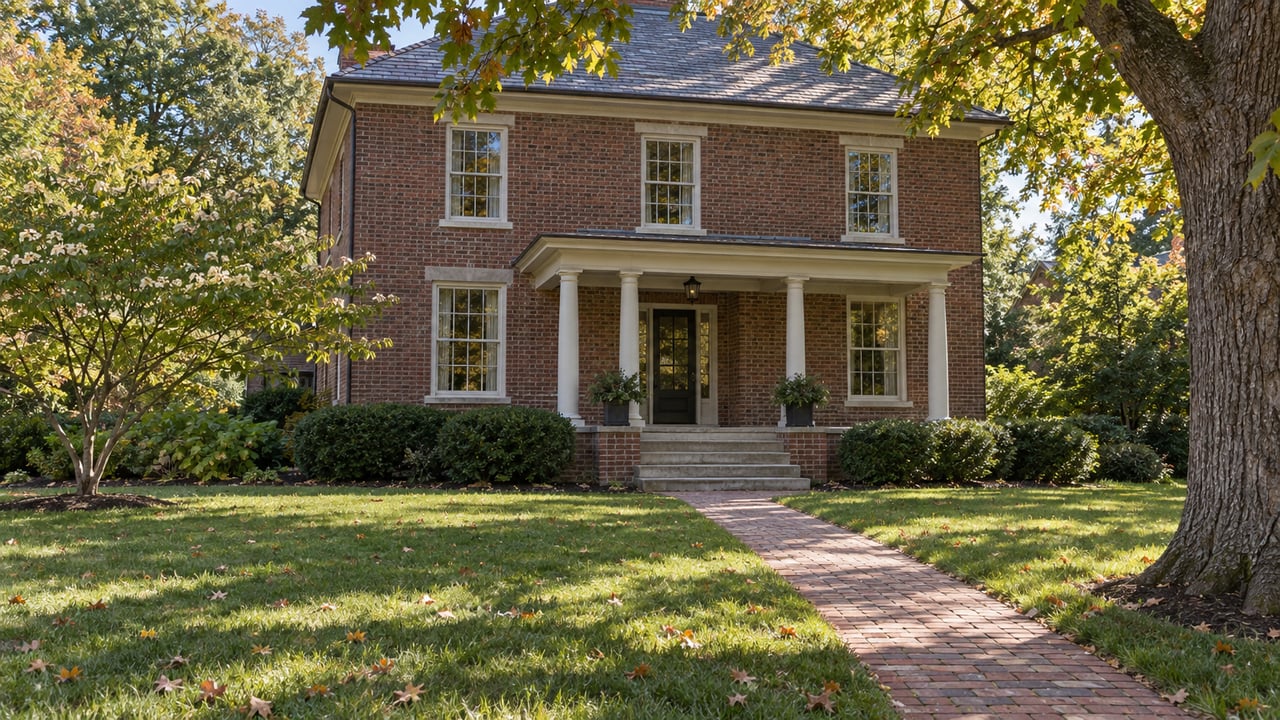
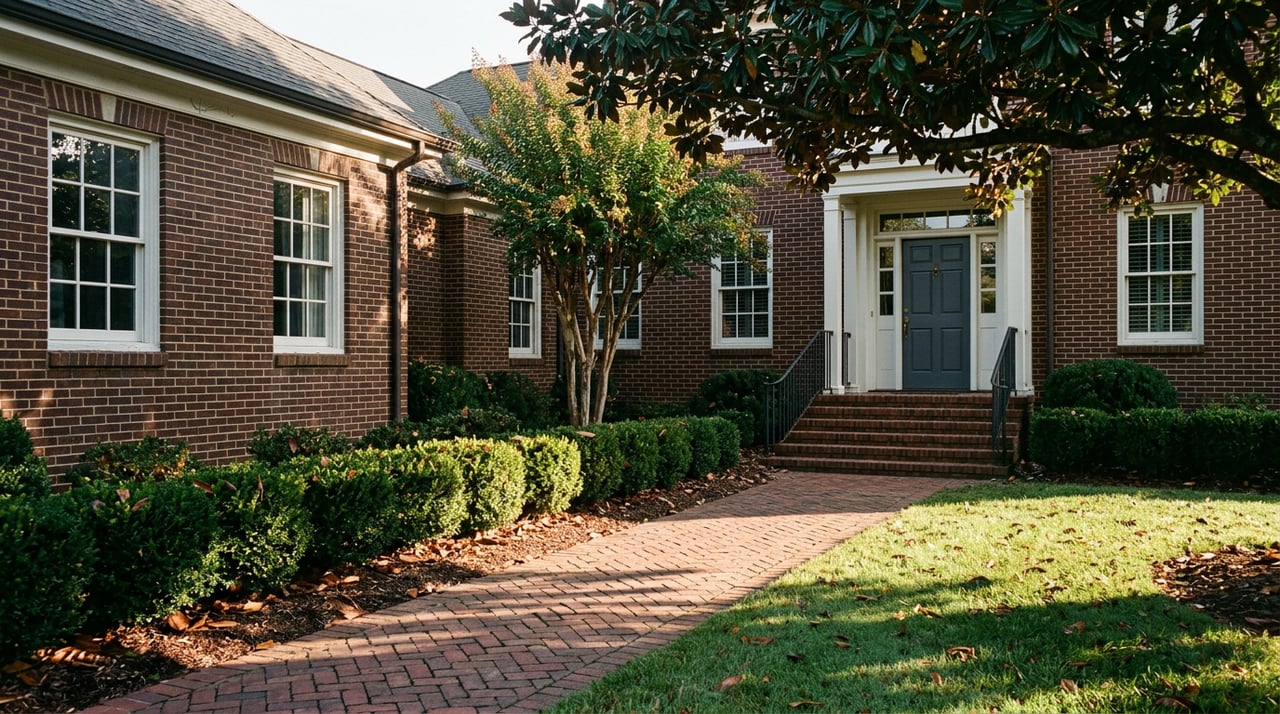
Windsor Farms sits in Richmond’s West End and was planned in the 1920s as an English-village-style garden suburb by Thomas C. Williams Jr. and landscape architect John Nolen. According to the Windsor Farms Association history, the neighborhood still reflects that original vision through architect-designed homes, sidewalks, open spaces, no pass-through streets, 12 miles of roads, and 11 common areas totaling 20 acres.
That planning still shapes the experience of living here today. In practical terms, Windsor Farms tends to feel quiet, residential, and intentional, with internal streets designed more for neighborhood circulation than cut-through traffic. If you value a setting that feels tucked away while remaining close to the city’s core amenities, that balance is a big part of the appeal.
Everyday Rhythm in Windsor Farms
One of the easiest ways to understand Windsor Farms is to think about the pace of a typical week. The neighborhood layout supports walks, short drives, and a largely residential routine centered around home, nearby green space, and west-side Richmond conveniences.
The Windsor Farms Association notes that the 11 common areas are open to residents and their guests and are maintained locally. That gives the neighborhood a sense of shared outdoor space without changing its residential character. For many buyers, that translates to simple daily comforts like walking the neighborhood, enjoying mature landscaping, and having quiet places to spend time outdoors close to home.
Green Space and Historic Landmarks
Windsor Farms is not just known for its homes. It also has cultural landmarks that give the neighborhood a strong sense of place.
The neighborhood association describes Windsor Farms as a vibrant community of museums, clubs, and organizations. Two of its best-known landmarks are Agecroft Hall and Virginia House, both of which help define the area’s identity.
Agecroft Hall
Agecroft Hall was reconstructed in Windsor Farms after being moved from Lancashire, England. The Virginia Department of Historic Resources notes that it opened to the public in 1969, and its grounds include terraces and a sunken garden designed with Charles Gillette.
Beyond its architecture and gardens, Agecroft also hosts guided tours, renaissance faires, and artisan markets throughout the year. For residents, that means a well-known cultural destination is woven directly into the neighborhood fabric.
Virginia House
Virginia House was relocated to Richmond in 1925 and sits on a hillside overlooking the James River. It is surrounded by nearly eight acres of Gillette-designed gardens and grounds.
Its presence adds another layer to Windsor Farms’ atmosphere. Even if your day-to-day routine is fairly ordinary, the neighborhood carries a strong visual and historic identity that sets it apart from more conventional residential areas.
Nearby Museums and Cultural Access
Living in Windsor Farms also means you are close to some of Richmond’s best-known institutions. The Virginia Museum of Fine Arts and the Virginia Museum of History & Culture are nearby on Arthur Ashe Boulevard, making it easy to add museum visits into a normal weekend or even a weekday afternoon.
VMFA notes that its permanent collection is always free and that the museum is open 365 days a year. That kind of access matters because it turns culture into something convenient, not occasional. For many buyers, proximity to these institutions is part of what makes the broader area so livable.
Errands, Shopping, and Dining Nearby
Windsor Farms offers a quiet residential setting, but it is not isolated. When you need groceries, dining, or everyday services, nearby districts help fill in the picture.
For shopping and restaurants, Carytown is the key district to know. The Carytown Merchants Association describes it as a shopping, dining, and entertainment district with locally owned restaurants, cafes, bakeries, boutiques, vintage stores, art galleries, and the Byrd Theatre.
That gives Windsor Farms residents access to one of Richmond’s most established commercial areas without requiring them to live in the middle of it. You can enjoy a more private home setting and still be a short drive from places you are likely to use often.
Museum District Convenience
The nearby Museum District adds another layer of convenience. Its neighborhood association says the area is highly walkable and includes museums, restaurants, civic events, and walking-distance access to grocery stores and Carytown.
For Windsor Farms residents, that proximity matters. It means a quieter residential neighborhood can still connect easily to some of Richmond’s most useful and active west-side destinations.
Getting Around From Windsor Farms
Windsor Farms is generally best understood as a car-oriented neighborhood. The City of Richmond’s civic association map places it near Powhite Parkway, I-195, the Downtown Expressway, Cary Street Road, and W Cary Street.
That road access supports straightforward routes for commuting, appointments, and errands. Combined with the neighborhood’s no-pass-through-street plan, the result is a setting that often feels sheltered at home while remaining practical for getting around the city.
Schools and Day-to-Day Planning
If school zoning is part of your home search, it is important to verify each address directly. Richmond Public Schools says the correct way to confirm zone schools is through its School Locator Map and enrollment resources.
For general orientation, nearby public schools to know include Mary Munford Elementary at 211 Westmoreland Ave., Albert Hill Middle at 3400 Patterson Ave., and Thomas Jefferson High at 4100 W. Grace St. That context can be helpful early in your search, but address-level verification should always come first.
Nearby Public School Overview
According to Richmond Public Schools information, Mary Munford Elementary offers fine and performing arts, enrichment opportunities, and athletics. RPS notes that Albert Hill includes learning resources such as a makerspace and lists the school among middle schools offering free after-school programming through partner organizations. Thomas Jefferson High lists International Baccalaureate and robotics among its special programs.
For buyers planning a move, the main takeaway is simple: if schools are part of your decision-making, Windsor Farms offers access to a set of nearby public school options that you can research further once you identify a specific property.
Why Buyers Consider Windsor Farms
Windsor Farms tends to appeal to buyers who want a neighborhood with identity, not just location. Its historic planning, common green spaces, and landmark properties create a setting that feels established and distinct.
At the same time, the neighborhood works well for practical living. You have a residential environment with convenient access to major roads, nearby museums, and useful retail and dining districts like Carytown and the Museum District. That combination is a major reason Windsor Farms continues to attract attention from buyers looking in Richmond’s close-in west side.
What to Keep in Mind During Your Search
If you are exploring Windsor Farms, it helps to focus on how you actually live day to day. Consider how often you want walkable outings within the neighborhood itself, how much you value quiet internal streets, and how often you expect to drive to nearby districts for errands or dining.
It is also worth paying attention to property character and setting. In a neighborhood with strong architectural identity and a long planning history, the feel of a particular street, lot, and home can shape your experience just as much as square footage or bedroom count.
If you want help evaluating Windsor Farms in the context of your goals, the Chris Small Group offers owner-led guidance rooted in deep Richmond neighborhood knowledge and a strong understanding of architecturally significant homes.
FAQs
What is everyday life like in Windsor Farms, Richmond?
- Everyday life in Windsor Farms is generally quiet and residential, with neighborhood walks, shared common areas, and short drives to nearby shopping, dining, museums, and major road connections.
What amenities are near Windsor Farms in Richmond, VA?
- Nearby amenities include Agecroft Hall, Virginia House, the Virginia Museum of Fine Arts, the Virginia Museum of History & Culture, Carytown, and the Museum District.
Is Windsor Farms in Richmond designed for walking or driving?
- Windsor Farms includes sidewalks and common areas that support neighborhood walking, but the area is also closely tied to car access through routes like Powhite Parkway, I-195, the Downtown Expressway, Cary Street Road, and W Cary Street.
How do you verify school zones for a Windsor Farms home?
- Richmond Public Schools says you should verify zone schools for a specific property by using the School Locator Map through its enrollment resources.
What makes Windsor Farms different from nearby Richmond neighborhoods?
- Windsor Farms stands out for its 1920s garden-suburb plan, architect-designed homes, no pass-through streets, shared common areas, and the presence of historic landmarks like Agecroft Hall and Virginia House.