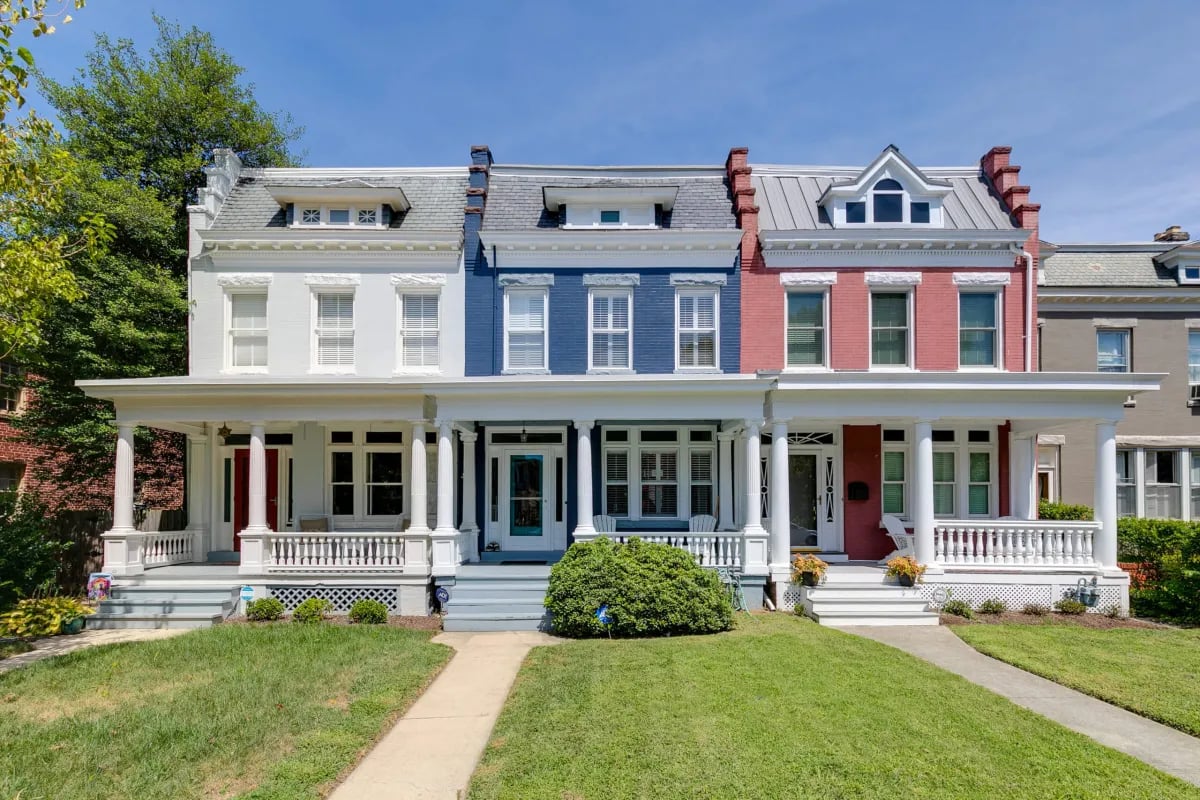
Museum District Richmond VA — Refined, Residential, and Enduring
The Museum District occupies a distinctive place in Richmond’s historic core. Quieter and more residential than the Fan, yet equally architectural, the Museum District appeals to buyers who want city living with a touch more composure. It is a neighborhood defined not by scale or spectacle, but by consistency, livability, and long-term residential appeal.
For move-up buyers and established homeowners, the Museum District often represents a natural progression—retaining walkability and historic character while offering a slightly more measured pace of life.
Architectural Character: Balanced and Livable
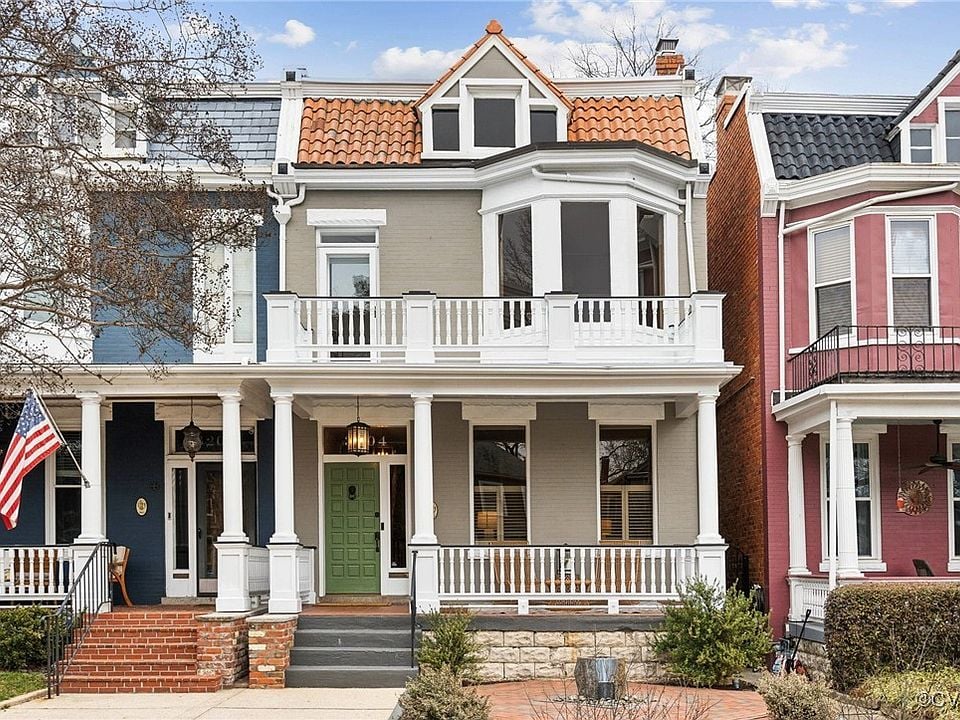
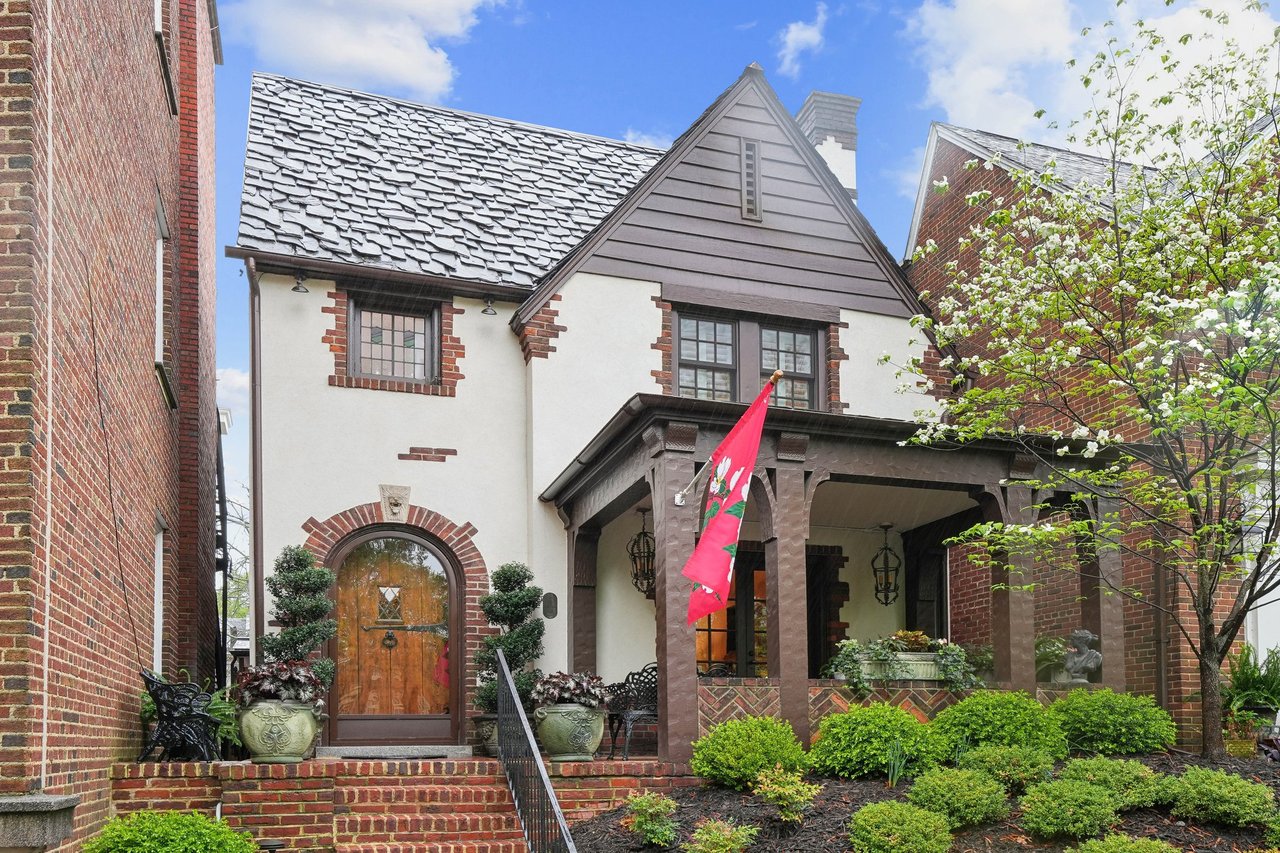
Developed primarily from the early 1900s through the 1930s, the Museum District reflects a period when urban planning emphasized proportion, light, and comfort. Homes here were designed for daily living, not formality alone.
Common architectural styles include:
-
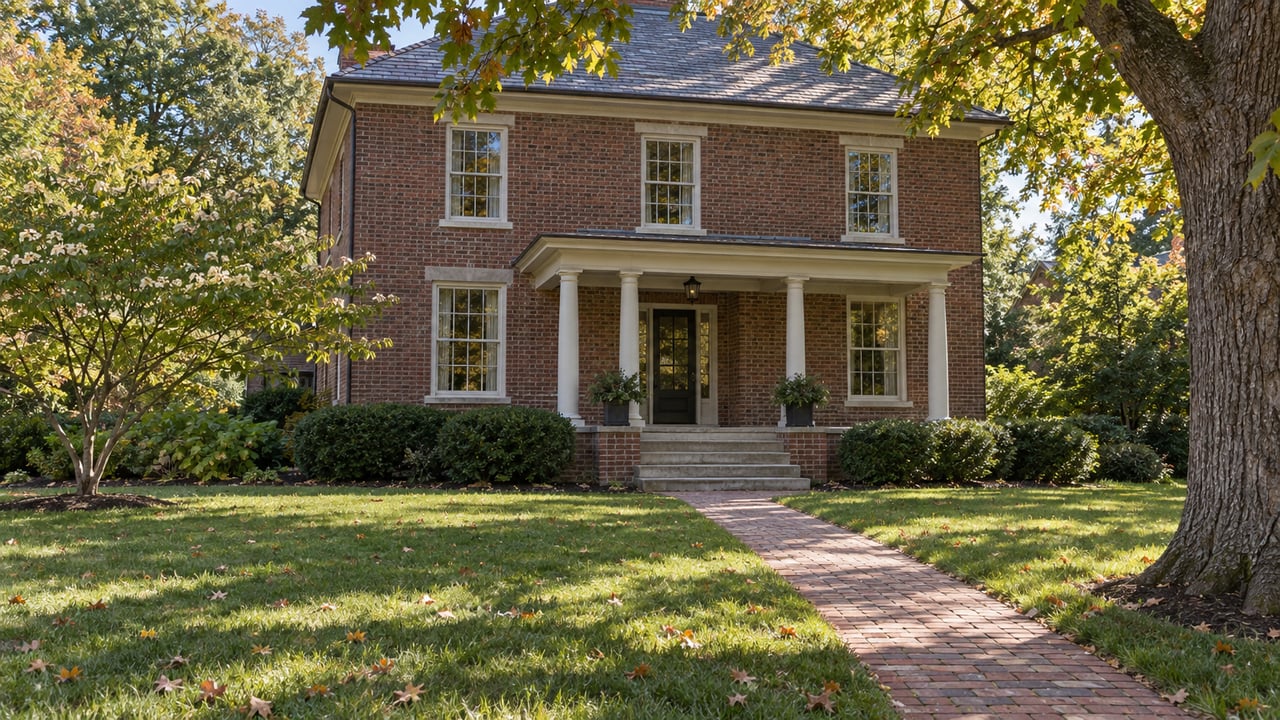
Colonial Revival
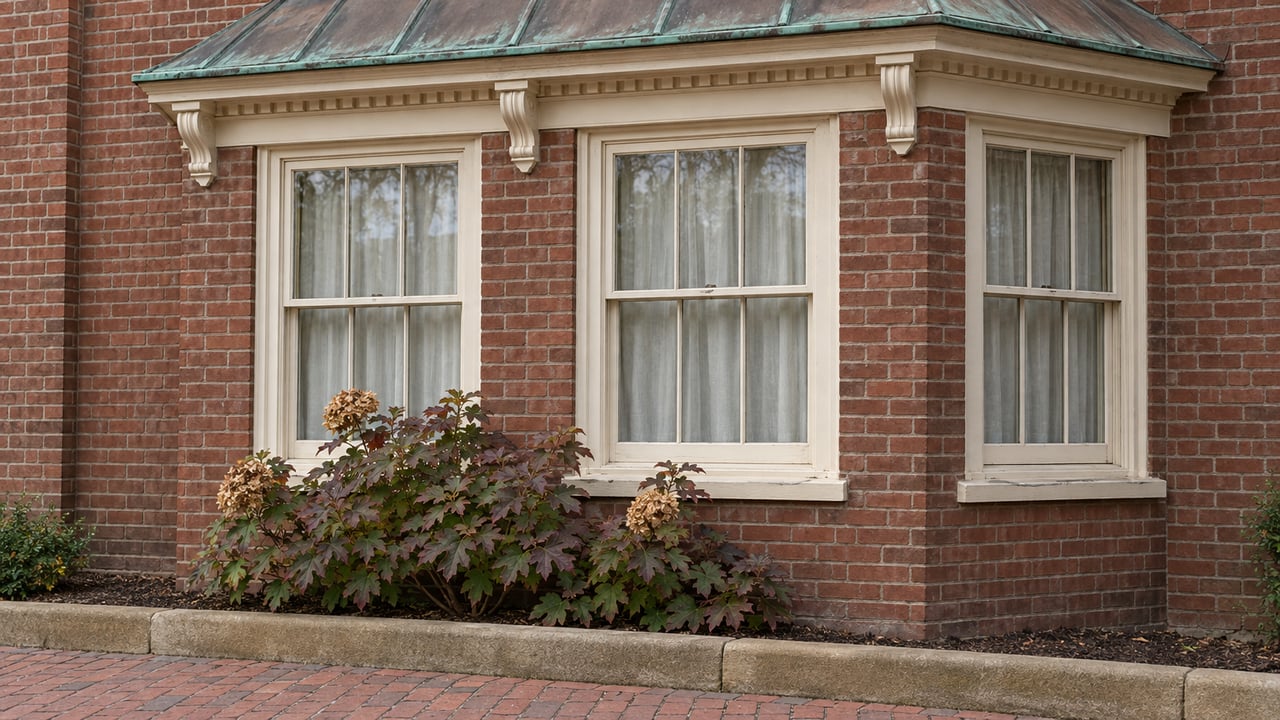
Brick exteriors, symmetrical façades, classical detailing, and well-scaled interiors. These homes form the backbone of the neighborhood and hold value exceptionally well. -
American Foursquare & Transitional Early-20th-Century Homes
Boxier forms with generous room sizes, strong structural integrity, and layouts that adapt well to modern updates. -
Craftsman & Arts-and-Crafts Influences
Found particularly on side streets, featuring broader rooflines, natural materials, and understated detailing. -
Monument-Area Transitional Homes
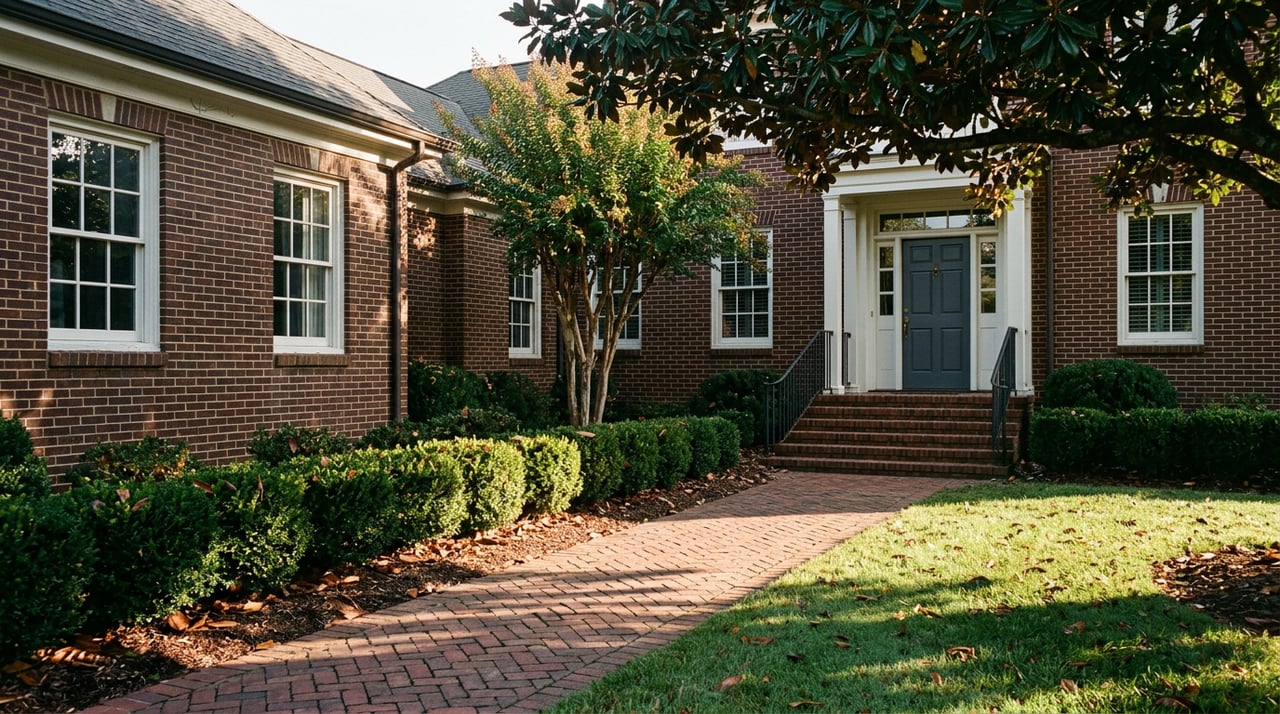
Near Arthur Ashe Boulevard, homes often blend Fan-era detailing with a slightly more suburban sensibility.
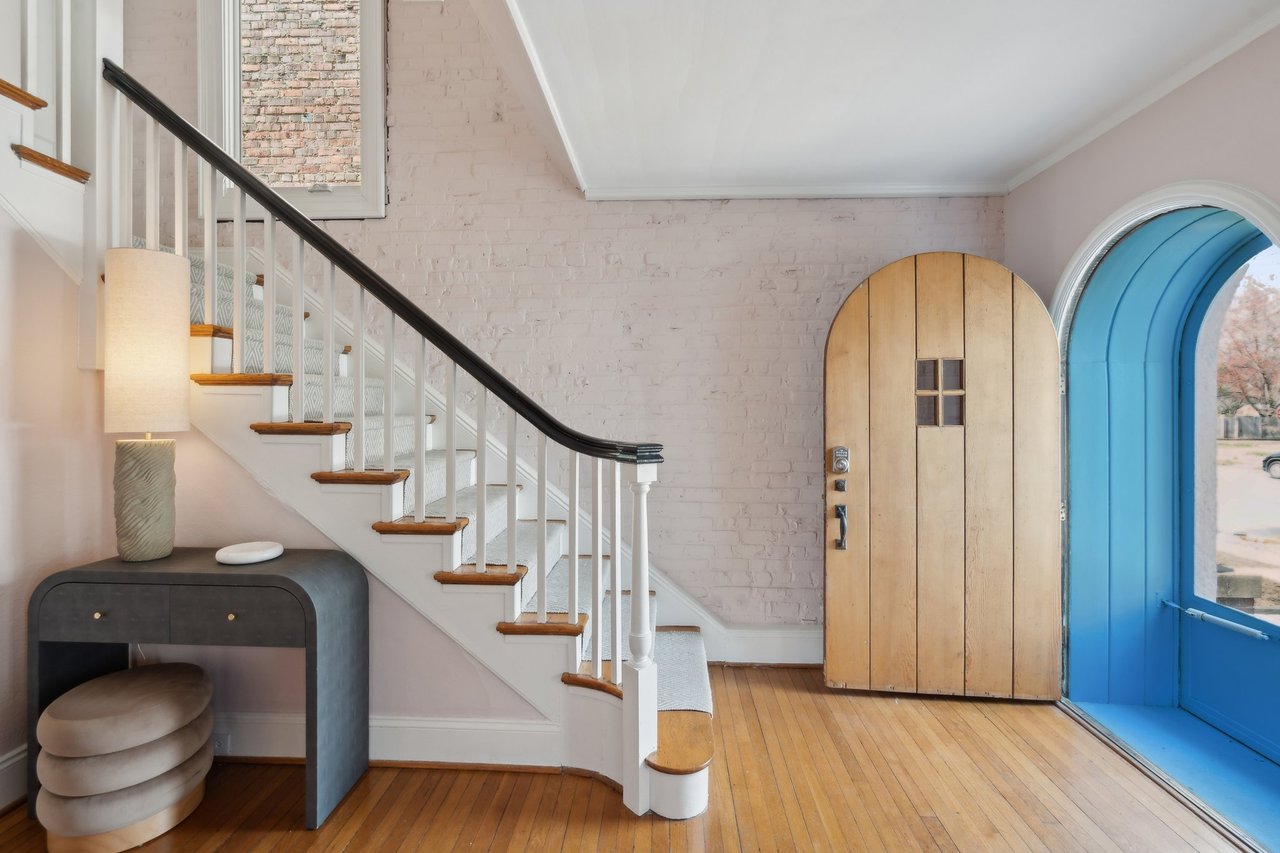
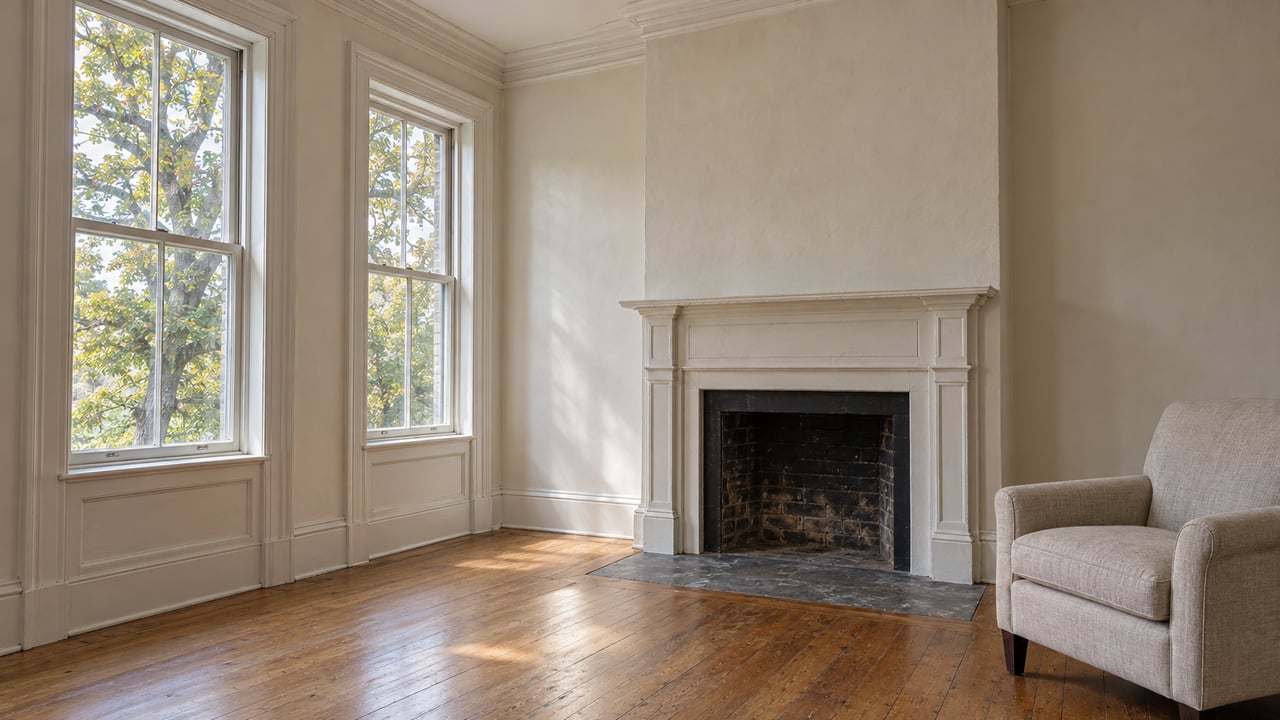
Ceiling heights remain generous, floor plans are intuitive, and renovations that prioritize function while respecting original scale tend to perform best.
Typical Buyer Profile: Settled, Selective, Long-Term
Buyers in the Museum District are deliberate. Many are already familiar with Richmond’s historic neighborhoods and are choosing this area for its livability and consistency.
Common buyer profiles include:
-
Move-up buyers leaving smaller Fan District homes
-
Buyers transitioning from the Near West End who want walkability
-
Medical, academic, and professional households
-
Buyers planning to stay 10–20 years rather than trade quickly
These buyers value:
-
Quiet streets
-
Predictable neighborhood character
-
Proximity without intensity
It is a neighborhood chosen with intention, not impulse.
What Drives Value in the Museum District
While pricing varies by block and condition, value here is remarkably stable. Key drivers include:
1. Street Location
Homes on Grove, Floyd, Hanover, Kensington, and quieter side streets command consistent premiums. Blocks closer to Carytown and the museums tend to see stronger demand.
2. Renovation Quality
Thoughtful kitchen and bath updates that preserve room definition and scale outperform trend-driven renovations.
3. Parking & Access
Off-street parking is more common here than in the Fan and meaningfully affects value, particularly for buyers relocating from suburban environments.
4. Condition Over Size
Buyers prioritize well-maintained systems, intact exteriors, and functional layouts over raw square footage.
Parking Realities: Noticeably Easier
One of the Museum District’s quiet advantages is parking.
-
Many homes offer rear parking pads or garages
-
Street parking is generally less competitive than in the Fan
-
Alleys are wider and more functional
-
Corner lots and mid-block homes often benefit from easier access
For buyers who want historic character without daily parking negotiation, this neighborhood strikes an appealing balance.
Who the Museum District Is (and Isn’t) For
The Museum District is for:
-
Buyers who want walkability without constant activity
-
Owners who value consistency and residential calm
-
Households seeking historic charm with everyday ease
-
Buyers planning long-term ownership
The Museum District is not for:
-
Buyers seeking nightlife at their doorstep
-
Those wanting dramatic architectural statements over livability
-
Short-term investors looking for rapid turnover
-
Buyers who prefer highly transient neighborhoods
This is a place where neighbors know one another—but respect boundaries.
A Neighborhood Long Understood
Since 1982, Small & Associates, and today Park27, have maintained a steady presence in the Museum District. Through decades of representation—on Grove, Floyd, Hanover, Kensington, and surrounding streets—the firm has approached the neighborhood with the same principles applied in the Fan: architectural literacy, disciplined pricing, and a long view of value.
The Museum District does not reward overstatement. It rewards accuracy.
Homes here are best positioned by understanding:
-
Subtle block-by-block distinctions
-
Renovations that enhance rather than disrupt
-
Buyer expectations rooted in livability, not novelty
That kind of knowledge accumulates over decades, not cycles.
Daily Life: Composed and Comfortable
Life in the Museum District is quietly structured.
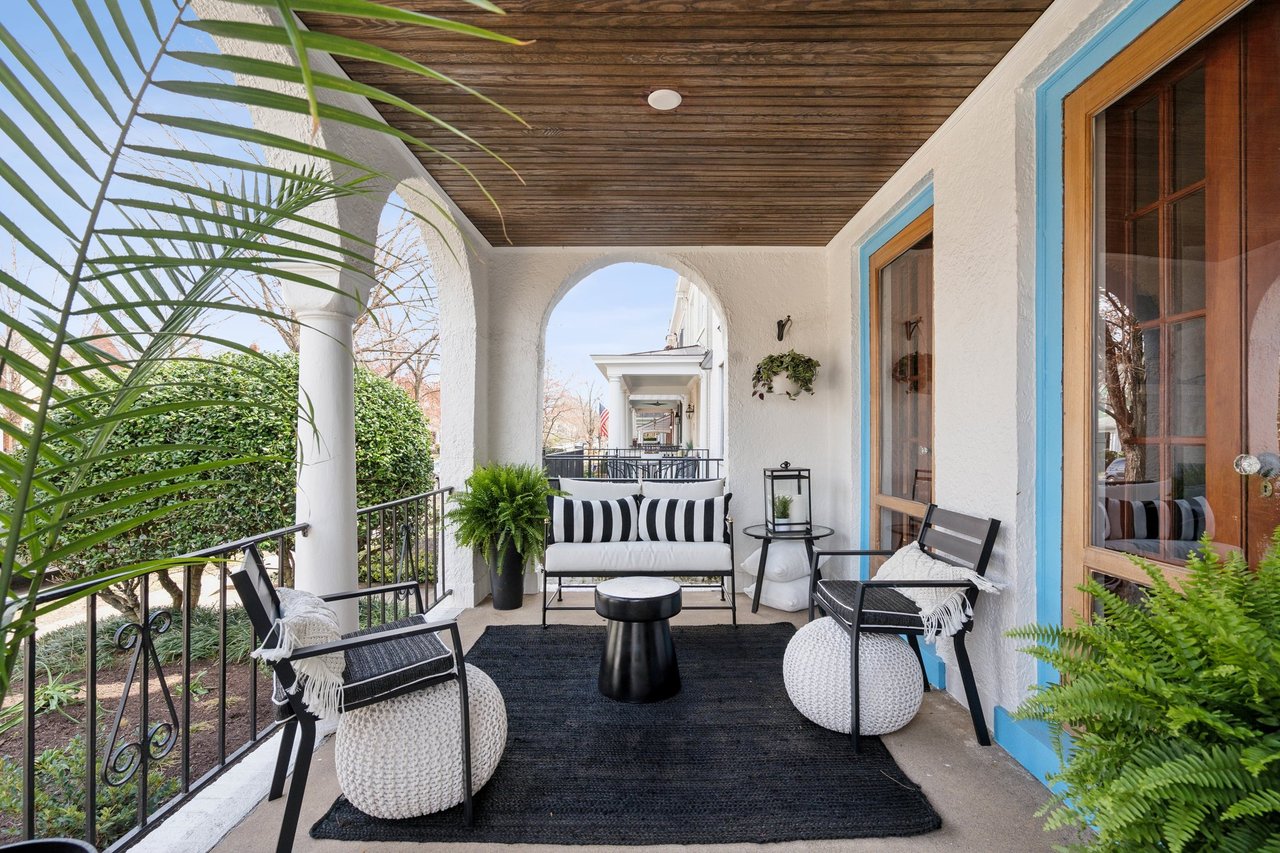
Mornings are dog walks and coffee on Cary Street. Afternoons are errands handled on foot. Evenings are dinners made without reservations, walks past the museums, and front porches used as intended.
It is urban living without urgency.
A Natural Counterpoint to the Fan
For many buyers and sellers, the Museum District serves as the Fan’s natural counterpart—equally historic, equally credible, but calmer in tone.
It offers:
-
Architectural continuity
-
Strong resale stability
-
A measured pace of life
- Smaller more manageable homes.
For those seeking historic Richmond at its most livable, the Museum District remains one of the city’s most reliable long-term choices.
Quietly. Consistently. Enduringly.