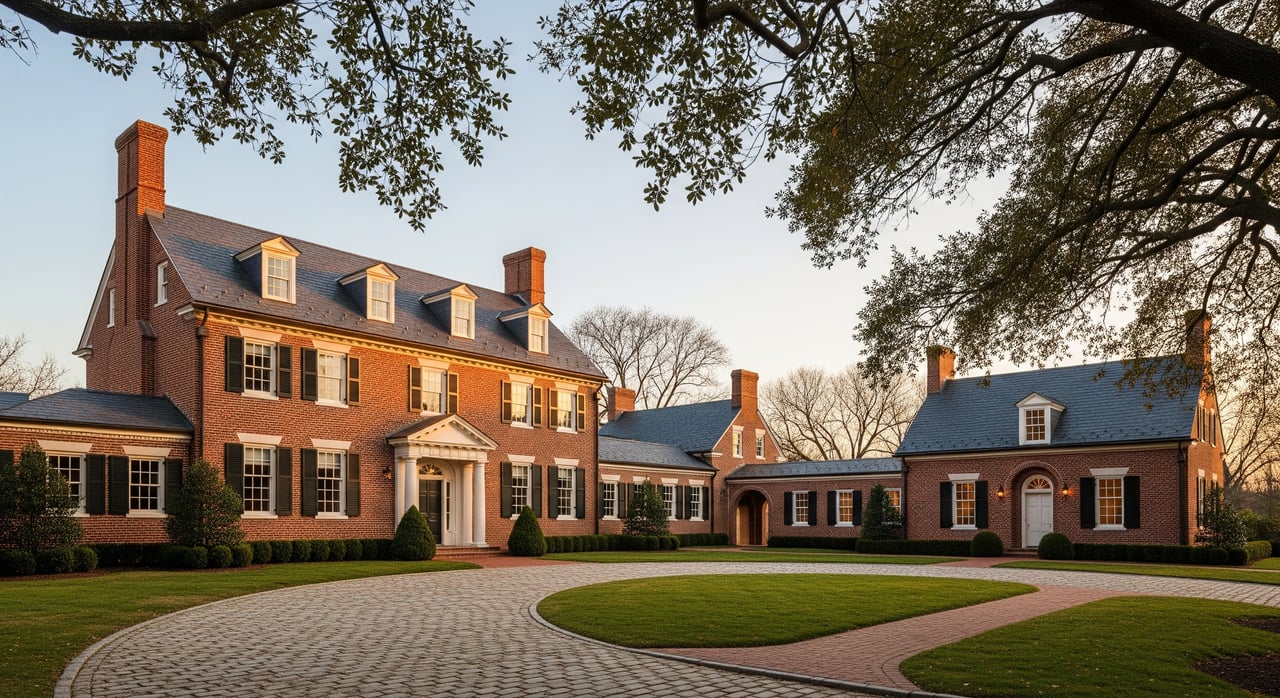
Buying a home in Windsor Farms should feel exciting, not stressful. Yet the charm and history that draw you in also come with rules, materials, and site conditions that deserve a close look. With a clear due diligence plan, you can avoid surprises, protect long-term value, and move forward with confidence. Here is a step-by-step guide tailored to Windsor Farms that you can follow from contract to close. Let’s dive in.
Know the rules and designations
Historic status: local vs national
If the home sits in a locally designated historic district, exterior changes often need review by the City of Richmond’s Board of Architectural Review. In contrast, National Register listing recognizes significance but usually does not restrict private work unless federal funds or permits are involved. Confirm whether the property is in a local district, on the National Register, or both, and whether it is listed as a contributing resource.
Covenants and civic guidelines
Windsor Farms has a tradition of neighborhood covenants and an active civic association. Deed restrictions or association bylaws may address fences, outbuildings, paint colors, and landscaping. Request recorded covenants and the association’s rules early in your contingency period so you know what is permitted.
Zoning and permits
Verify the property’s zoning, setbacks, and rules for additions or accessory structures with the City of Richmond. Ask about any special permits or variances that could affect projects you have in mind. Getting answers now helps you design within the rules and timeline.
Order surveys and legal reviews
ALTA/NSPS, boundary, and topo surveys
For older, high-value properties, an ALTA/NSPS survey is a smart move. It maps boundaries, improvements, easements, and encroachments to the standard many lenders and title insurers require. A boundary and topographic survey can clarify fence lines, retaining walls, tree locations, slopes, and drainage that will influence any site work.
Title, easements, and flood risk
Ask your title company or attorney to search for recorded easements, preservation easements, utility rights-of-way, or party-wall agreements. Review any deed restrictions that may dictate materials or setbacks. Check FEMA flood maps and the city’s floodplain layers to understand water risk, then factor stormwater rules into any plans for new hardscape or additions.
Book inspections for historic homes
A standard home inspection is essential, but Windsor Farms’ early twentieth-century houses often require specialists who understand historic construction and materials. Build these into your contingencies so you have time to evaluate findings and pricing.
- Preservation-minded home inspector who knows older systems and materials
- Licensed structural engineer if you see settlement or notable cracking
- Slate or tile roofing specialist plus a chimney and flue inspection
- Electrical evaluation for knob-and-tube, ungrounded circuits, and service capacity
- Plumbing review and a sewer camera scope for older cast iron or clay lines
- HVAC and insulation review focused on moisture control and system sizing
- Lead-based paint risk assessment and an asbestos survey if materials warrant
- Termite and wood-destroying organism inspection
- Radon test for basements or crawlspaces
Evaluate trees, drainage, and site
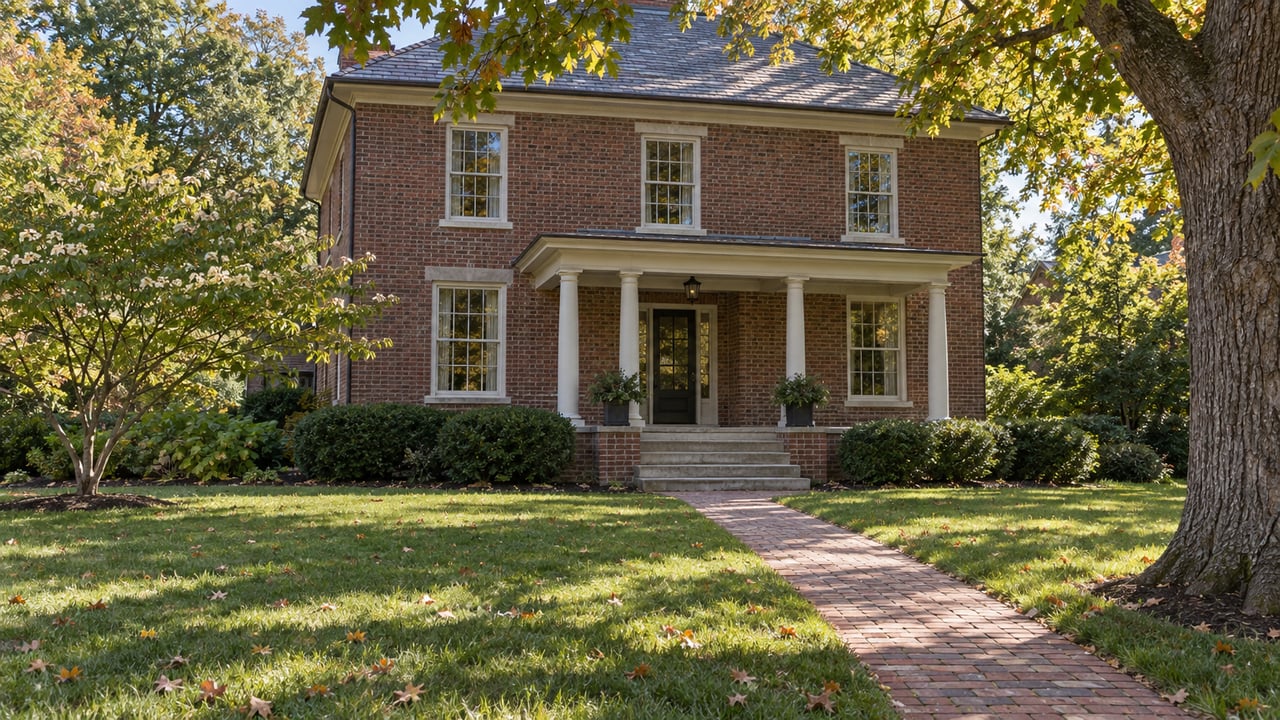
Mature tree canopy is a key part of Windsor Farms’ appeal and value. It also impacts foundations, utilities, and future landscape work.
- Commission an ISA-certified arborist report for significant trees, especially if any site work is planned.
- Confirm tree ownership and any city policies that govern pruning or removal.
- Use a topographic survey to identify runoff patterns and consider swales, French drains, or grading to keep water away from the house.
- Locate underground utilities and set root protection zones before excavation or new hardscape.
Plan for heritage materials and contractors
Identify character-defining features
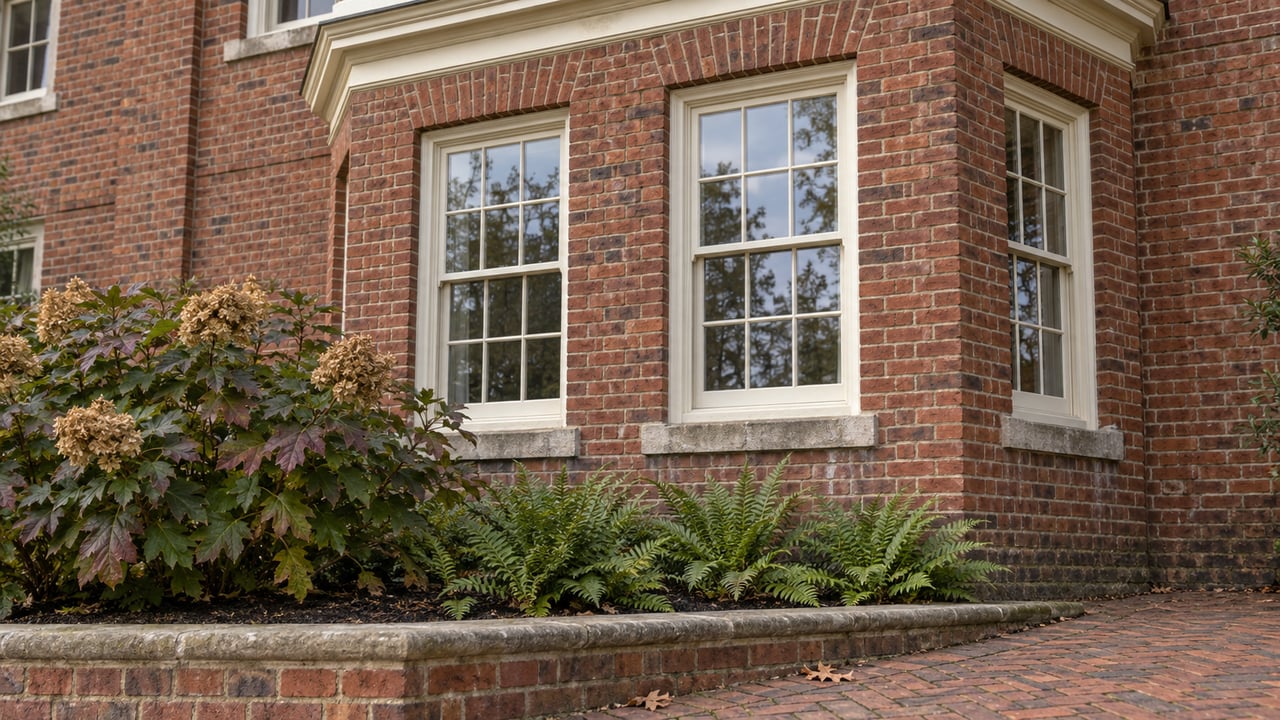
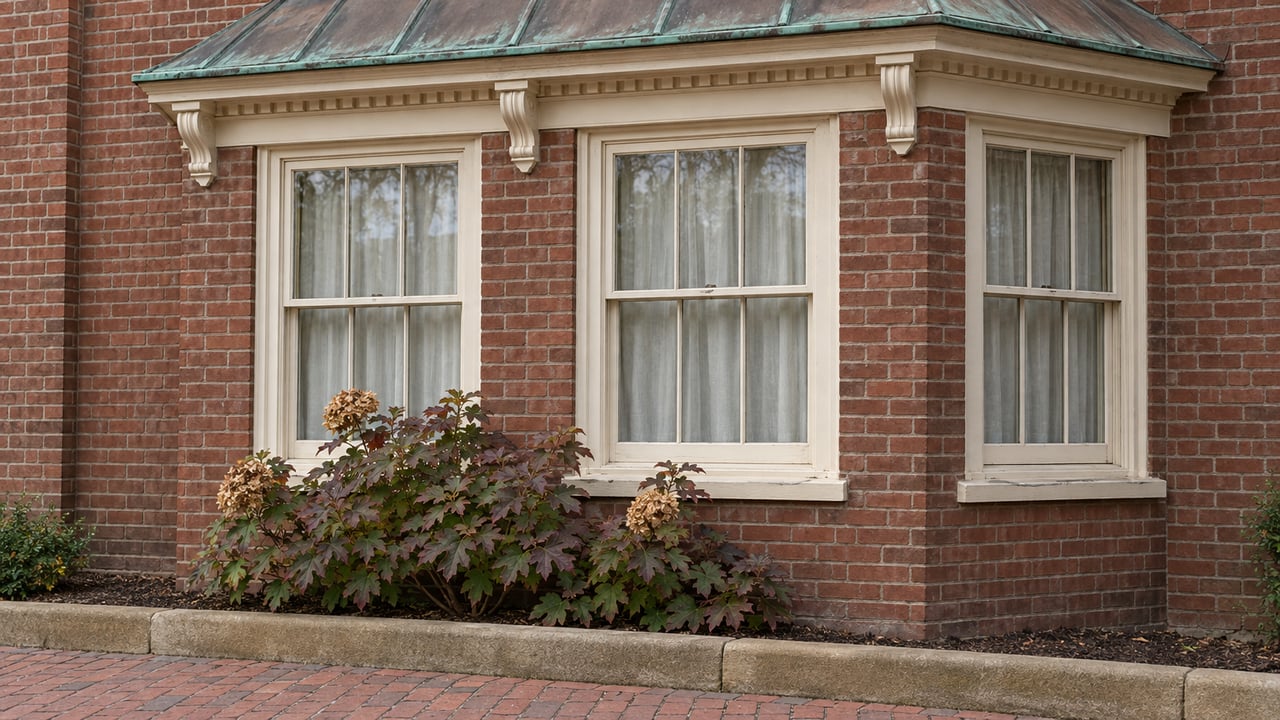
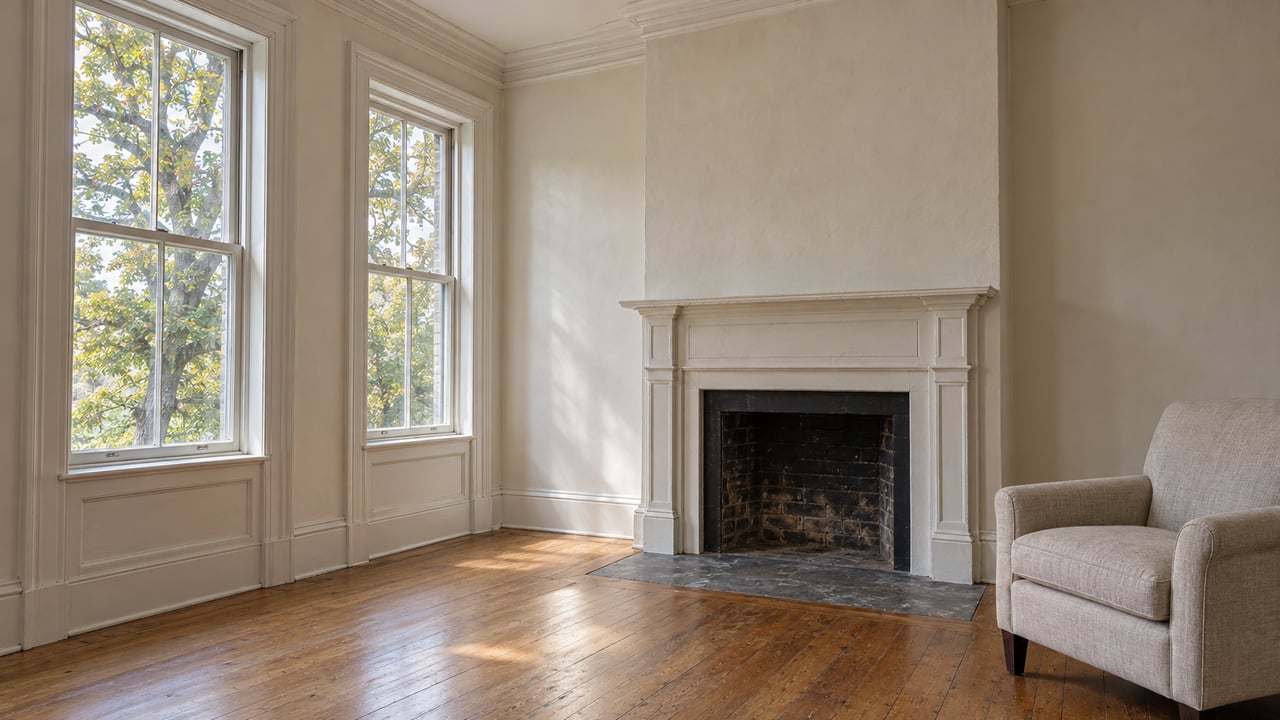
Exterior features often include brickwork, slate or tile roofing, copper gutters, wood windows, and masonry chimneys. Interiors may have plaster walls, original millwork, hardwood floors, and historic staircases. These elements drive authenticity and resale appeal.
Repair vs replace
Aim to repair in kind where feasible, such as repointing with compatible mortar or restoring wood windows rather than replacing them. If replacement is necessary, document the condition and options, and seek required approvals before ordering materials. Appropriate, reversible solutions help preserve both character and value.
Choose qualified pros
Prioritize contractors with verifiable historic-home experience. Check state licensing and insurance, ask for portfolios of similar work, and confirm knowledge of lead-safe work practices. For larger exterior projects, consider a preservation architect to prepare drawings and specifications that support city reviews.
Coordinate approvals and phasing
If BAR review or civic approvals are required, build them into your timeline. Tackle urgent water or structural items first, then mechanical upgrades, then cosmetic restoration. Clear phasing controls risk and keeps the plan on budget.
Set timeline, budget, and red flags
Typical timeline impacts
Specialized inspections, surveys, and city or civic reviews can add weeks. Exterior work that requires BAR approval can take 4 to 12 or more weeks depending on scope and application completeness. Start early so you are not rushed into decisions.
Cost items to expect
Budget for surveys, specialist inspections, and consultant fees. Plan for higher costs to repair slate roofs, custom windows, masonry repointing, and copper work compared to modern replacements. Allow a contingency for hidden moisture damage, utility upgrades, or lead and asbestos abatement.
Red flags to weigh carefully
Watch for significant structural movement without a documented repair plan. Be cautious about extensive undocumented work, poor-quality system replacements, or deed and utility constraints that block your intended use. Large trees in poor condition that cannot be protected may signal unavoidable removal and landscape change.
Your step-by-step diligence checklist
- Verify historic status: local district, National Register, and contributing status.
- Request deed covenants and Windsor Farms Civic Association rules.
- Confirm zoning, setback, and permit requirements with the city.
- Order an ALTA/NSPS survey plus boundary and topographic surveys.
- Have the title company review easements, restrictions, and prior approvals.
- Screen for floodplain exposure and understand local stormwater rules.
- Schedule specialized inspections: historic-home inspector, structural engineer, roof and chimney, electrical, plumbing and sewer camera, HVAC-moisture, lead and asbestos, termite, and radon.
- Commission an arborist report for mature trees and set tree protection plans.
- Identify character-defining materials and outline repair-in-kind strategies.
- Pre-qualify contractors with historic-home experience and proper licensing.
- Map approvals and phasing: urgent water and structure, then systems, then restoration.
When you buy in Windsor Farms with a thoughtful plan, you protect the home’s legacy and your long-term investment. If you want a seasoned local partner to help you prioritize steps, connect with the right specialists, and negotiate from a position of strength, we are here to help. Schedule a Private Consultation with the Chris Small Group.
FAQs
What does a local historic district mean for Windsor Farms buyers?
- Local designation often requires city review for exterior changes, while interior work is typically less regulated. Confirm rules with the city before planning projects.
How is a National Register listing different from local review?
- National Register status recognizes significance but usually does not restrict private work unless federal funds or permits are involved. Local rules are what typically govern exterior changes.
Which inspections are most critical for older Windsor Farms homes?
- In addition to a standard inspection, add slate or tile roof and chimney specialists, a sewer camera, electrical and structural reviews, termite, radon, and lead and asbestos assessments.
Why should I order an ALTA/NSPS survey instead of a basic survey?
- It documents boundaries, improvements, easements, and encroachments to a recognized standard, which helps you and your title insurer understand site constraints before renovations.
How do trees and drainage affect my purchase decision?
- Mature trees add value but can impact foundations and utilities. An arborist report and a drainage plan help you protect the canopy and keep water away from the house.
What timeline should I expect for exterior changes that need approval?
- Allow 4 to 12 or more weeks for city and civic reviews depending on scope and application quality. Start early so your construction schedule stays on track.