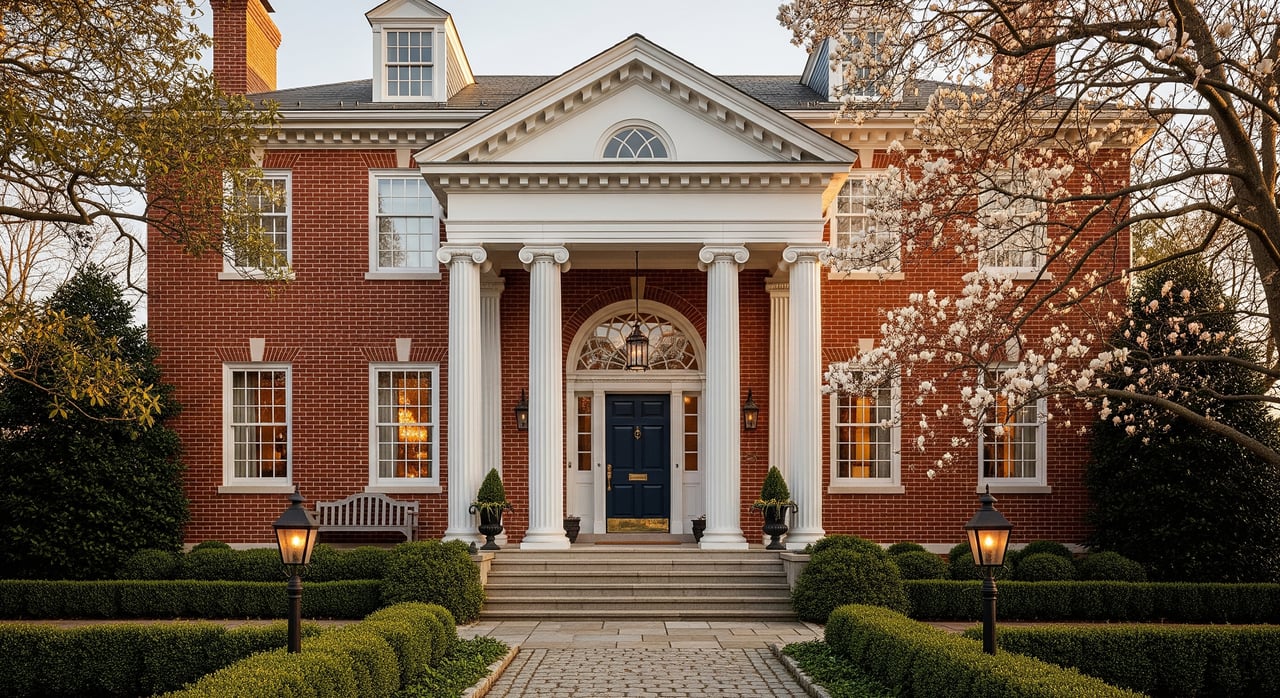
Selling a century-old home on Monument Avenue is not like selling a newer house across town. You are stewarding history while aiming for a strong financial outcome. With the right plan, you can honor the architecture, ease buyer concerns, and launch with confidence. This guide gives you a clear, preservation-minded roadmap from 18 months out through closing. Let’s dive in.
Know your Monument Avenue buyer
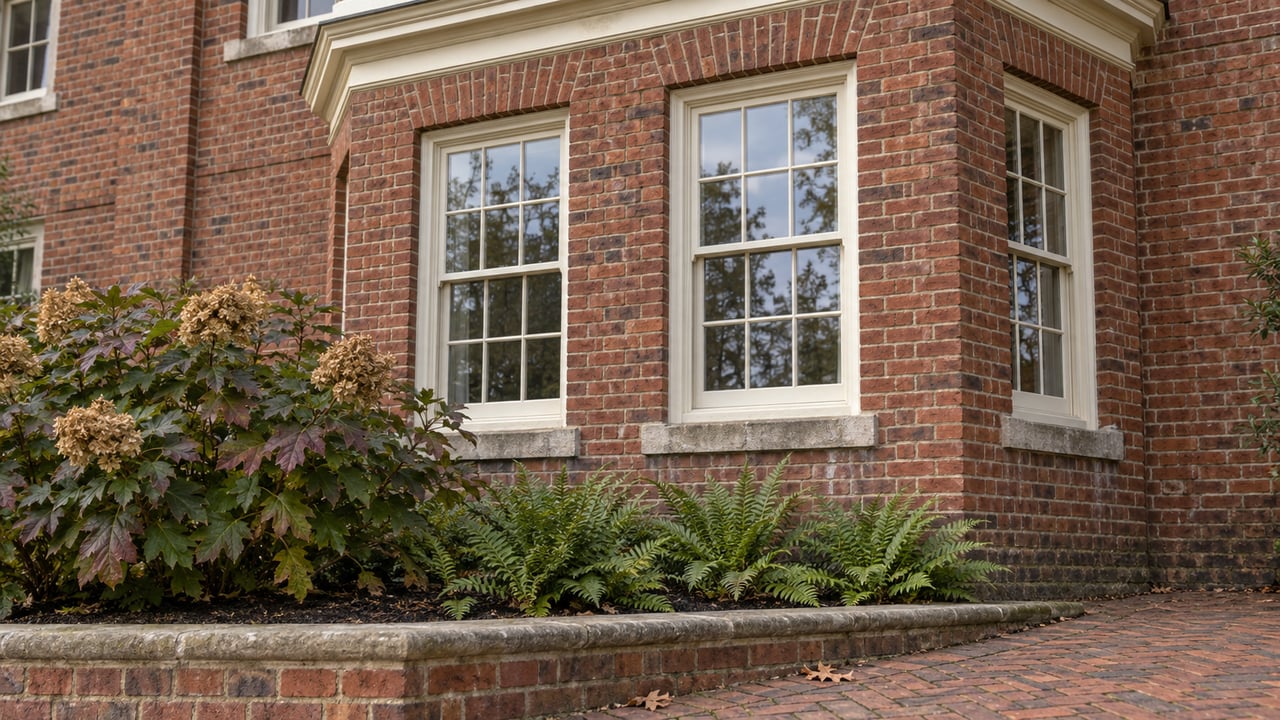
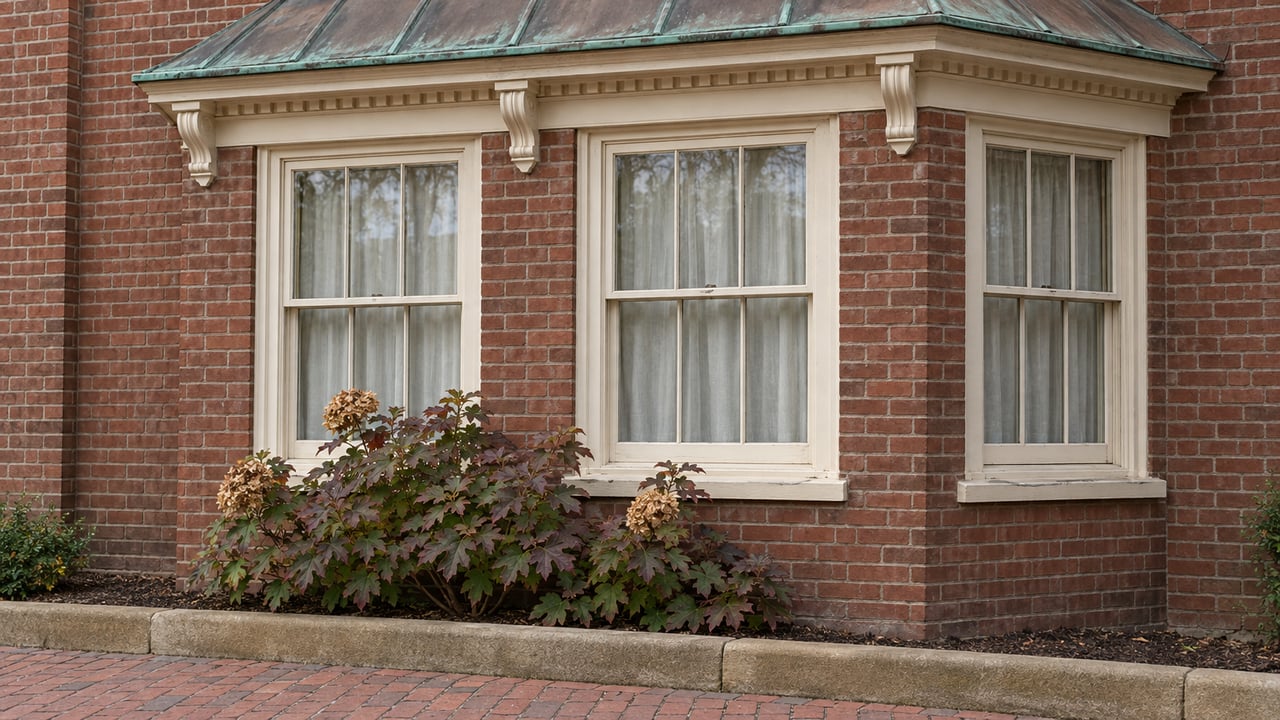
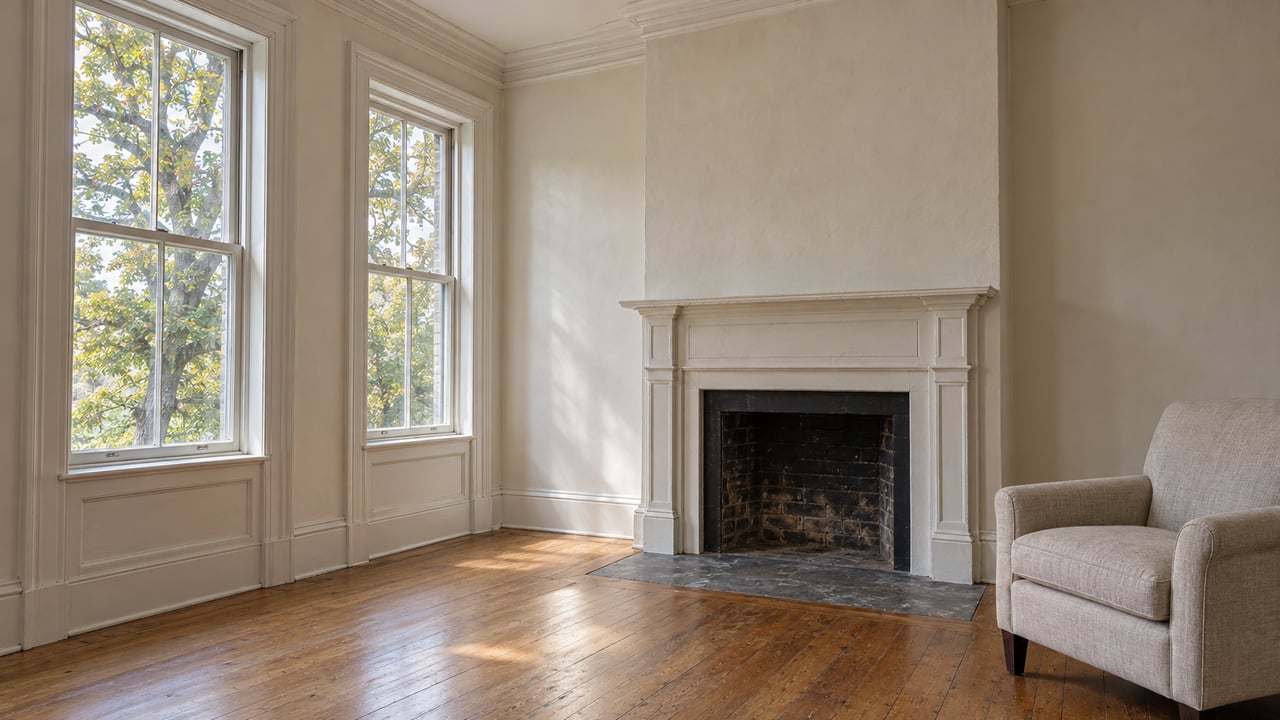
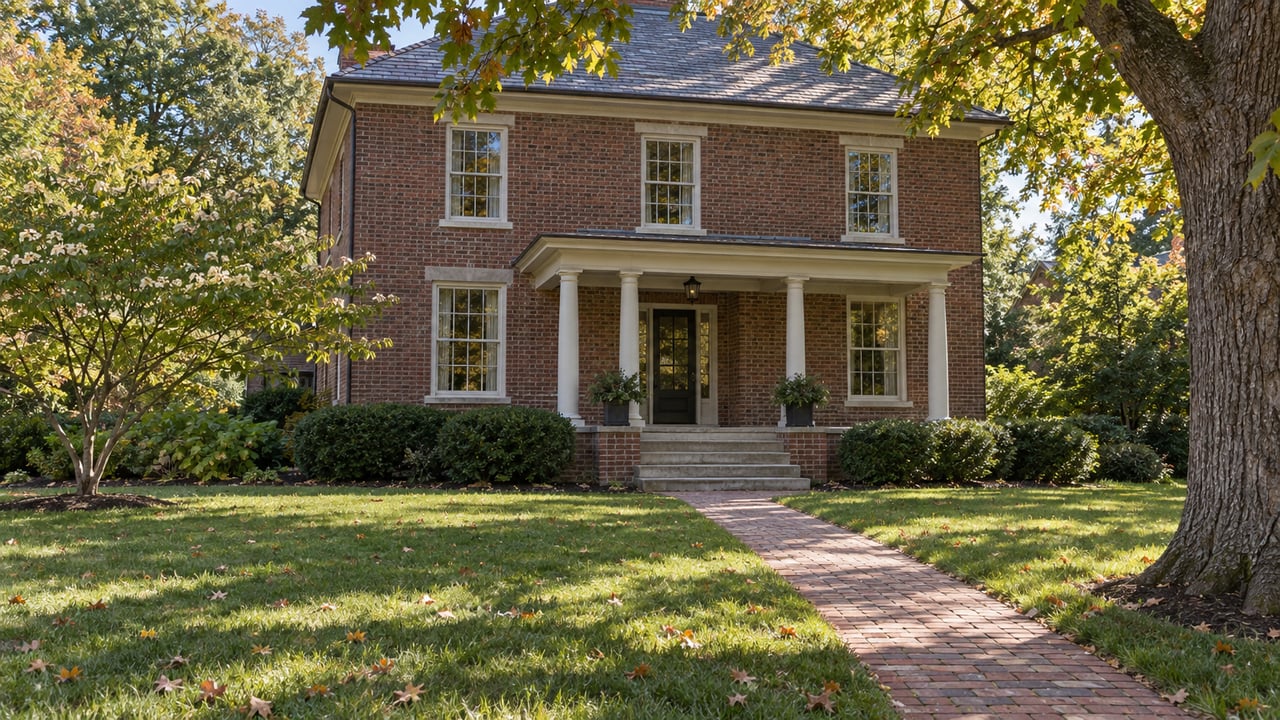
Buyers come for the architecture and craftsmanship. They notice moldings, mantels, staircases, plaster, original floors, stained glass, and masonry facades. They also expect dependable systems and reasonable energy performance.
Your goal is to showcase historic character, while proving the home is safe, dry, comfortable, and well maintained. Transparency and documentation help buyers value the property and move quickly.
Confirm historic rules early
Monument Avenue properties often carry local historic designations. Exterior changes like window replacement, porch work, dormers, roof modifications, and new hardscape commonly require municipal review and approval before permits.
- Consult the City of Richmond historic preservation staff and design guidelines before any exterior work.
- Interior changes usually do not require commission review, but preserving significant interior features supports value.
- Prepare a neutral neighborhood fact sheet. Include current streetscape status and public works, nearby amenities, transit, school zones, and any zoning overlays. Keep it factual and refer buyers to city sources for civic matters.
Order pre-list inspections
Get ahead of buyer questions by commissioning key inspections 6 to 18 months before you plan to list. Early reports guide your repair plan and help you set realistic timelines.
- Comprehensive home inspection covering structure, roof, electrical, plumbing, HVAC, and visible moisture.
- Chimney evaluation, including masonry, liners, and caps.
- Roof and flashing review, especially around dormers and chimneys.
- Termite and wood-destroying organism inspection.
- Sewer camera scope if you have older sewer lines or drainage issues.
- Asbestos survey if you plan renovations and suspect older materials.
- Lead-based paint risk assessment or, at minimum, proper lead disclosure for pre-1978 homes.
- Historic fabric assessment by a preservation consultant to identify significant features and appropriate treatments.
Tackle Monument Avenue issues
Older homes on the Avenue share common condition patterns. Addressing these strategically will improve marketability and reduce renegotiations.
- Masonry repointing where mortar has failed.
- Roofing repairs or replacement of aging slate and flashing.
- Porch structural stabilization and repair of historic floors and columns.
- Window sash repair for drafty or failing single-pane units, considering local rules on replacement.
- Electrical upgrades where knob-and-tube or limited service remains.
- Plumbing updates, including galvanized or lead service lines and vintage cast iron sewers.
- Insulation and air sealing that respect historic finishes.
- Plaster and foundation crack repairs, plus moisture mitigation in basements or crawlspaces.
Repair with preservation in mind
Use preservation best practices to protect value while solving real problems.
- Follow the Secretary of the Interior’s Standards. Repair rather than replace when feasible. If replacement is required, match materials and profiles.
- Prioritize water, structure, and systems safety first.
- For windows, consider sash restoration and interior storms, or reversible exterior storms where allowed.
- For masonry, use compatible lime-based mortars and matching joint profiles, not hard Portland cement that can damage old brick.
- For roofing, retain or match materials and visible profiles.
- For mechanicals, route new services to minimize harm to character-defining features. Use closets, basements, or reversible chases when possible.
- Plan for timelines. Historic reviews can add 4 to 12 weeks or more. Lead and asbestos work requires certified contractors and specific procedures.
Stage for historic strengths
Staging should highlight the home’s architecture and scale. Keep rooms welcoming and functional while protecting fragile elements.
- Showcase mantels, staircases, built-ins, plaster, and floors. Avoid staging that hides period proportions.
- Use a neutral palette that complements historic finishes.
- Scale furniture to larger rooms so buyers understand use and flow.
- Protect delicate areas during showings with temporary floor coverings and clear guidance on access.
- Emphasize livability. Show a well-functioning kitchen and baths and evidence of comfortable heating and cooling.
Nail photography and media
Invest in media that captures both grandeur and detail. Buyers of historic homes respond to craftsmanship and context.
- Professional architectural photography, including facade and streetscape.
- Wide interior shots that show room proportions and details, plus close-up detail shots of significant elements.
- Twilight exteriors for curb appeal.
- Aerials to show the Avenue context where allowed. Confirm drone regulations and privacy considerations.
- Accurate floor plans and room measurements.
- A Matterport or virtual tour for relocation and out-of-town buyers.
- A short video tour that highlights provenance and notable features.
- A downloadable dossier with inspection reports, permits and approvals, historic resource summaries, and invoices for recent work.
Tell a compelling story
The right narrative ties architecture, history, and stewardship together. Support claims with documentation.
- Name the architectural style and architect if known.
- Share the year built, notable owners, and any known events.
- List documented restorations and system upgrades with dates and contractor details.
- Call out original materials, unusual craftsmanship, and any lot or view advantages.
- Match your story to likely buyer segments, from provenance-focused buyers to those open to renovation.
Build your timeline
A phased plan keeps you on schedule while allowing for approvals and contractor lead times. Adjust based on scope.
12–18 months out
- Consult a listing agent with Monument Avenue experience.
- Order a historic resource summary and confirm local designations.
- Commission inspections outlined above.
- Assemble the core team: preservation architect or consultant, experienced general contractor, structural engineer as needed, and termite or remediation specialists.
- Begin historic consultations and permit planning for exterior work.
6–12 months out
- Complete priority work that affects safety and marketability, including roofing, structural items, and water intrusion.
- Execute approved exterior work, such as repointing, porch repairs, and paint.
- Schedule system upgrades like electrical panels and HVAC and close out permits.
- Refresh kitchens and baths in a way that respects the home’s character.
- Get bids for staging and professional media.
1–3 months out
- Deep clean, stage, and complete photography, floor plans, and virtual tour.
- Compile a marketing packet with reports, invoices, permits, provenance, and a neighborhood fact sheet.
- Finalize pricing strategy with your agent and set a launch date with seasonality in mind.
0–6 weeks active
- Launch the listing, host broker previews, and schedule showings with clear protocols for fragile areas.
- Use targeted outreach to local agents, relocation networks, and preservation-minded audiences.
- Be ready to share documentation quickly with qualified buyers.
Through closing
- Maintain the property and its presentation.
- Keep contractors available for follow-up requests.
- Prepare a historic home care packet for the buyer to ease the transition.
Hire the right team
Historic listings benefit from specialized expertise.
- Listing agent experienced with Monument Avenue.
- Preservation architect or consultant to guide materials and approvals.
- General contractor with historic rehabilitation experience.
- Specialty trades for masonry, slate roofing, plaster and carpentry, and window conservation.
- Certified lead and asbestos contractors if needed.
- Professional stager and architectural photographer.
Pricing and launch strategy
Pricing should reflect condition, documented upgrades, square footage, lot size, and provenance. A clear list of completed repairs and any remaining items reduces surprises and supports your number. Time your launch for maximum reach, then use a marketing-first rollout that builds emotional engagement and encourages strong offers.
Final prep and showings
Have a plan to keep the home pristine and protected. Provide shoe covers, limit access to delicate areas, and post simple instructions for agents. Keep utilities serviced and mechanicals tuned. Small touches communicate care and reduce wear during the listing period.
Ready to position your Monument Avenue home for a premium result with a clear, preservation-smart plan? Reach out to the Chris Small Group to Schedule a Private Consultation.
FAQs
Do I need to fully restore before selling?
- No. Preserve visible historic features, but prioritize water, structure, and safe, modern systems. Sensitive kitchen and bath updates can perform well.
Will historic rules limit my exterior changes?
- Many exterior changes require review and approval in local historic districts. Contact the City of Richmond preservation office early to confirm what applies.
How should I handle lead paint and asbestos?
- For pre-1978 homes, complete the federal lead disclosure. If hazards are known or remediation was done, provide documentation and use certified contractors for abatement.
Which inspections should I provide buyers?
- A pre-list home inspection, termite report, chimney inspection, and sewer scope help reduce objections and speed closing. Sharing reports builds trust.
How do I price a historic home with deferred work?
- Use a local CMA tailored to Monument Avenue and adjust for condition, upgrades, lot, and provenance. Document completed repairs and clearly note outstanding items.
How long do approvals and permits take?
- Historic review can add 4 to 12 weeks or more. Lead and asbestos work also extends timelines. Start early and factor approvals into your schedule.