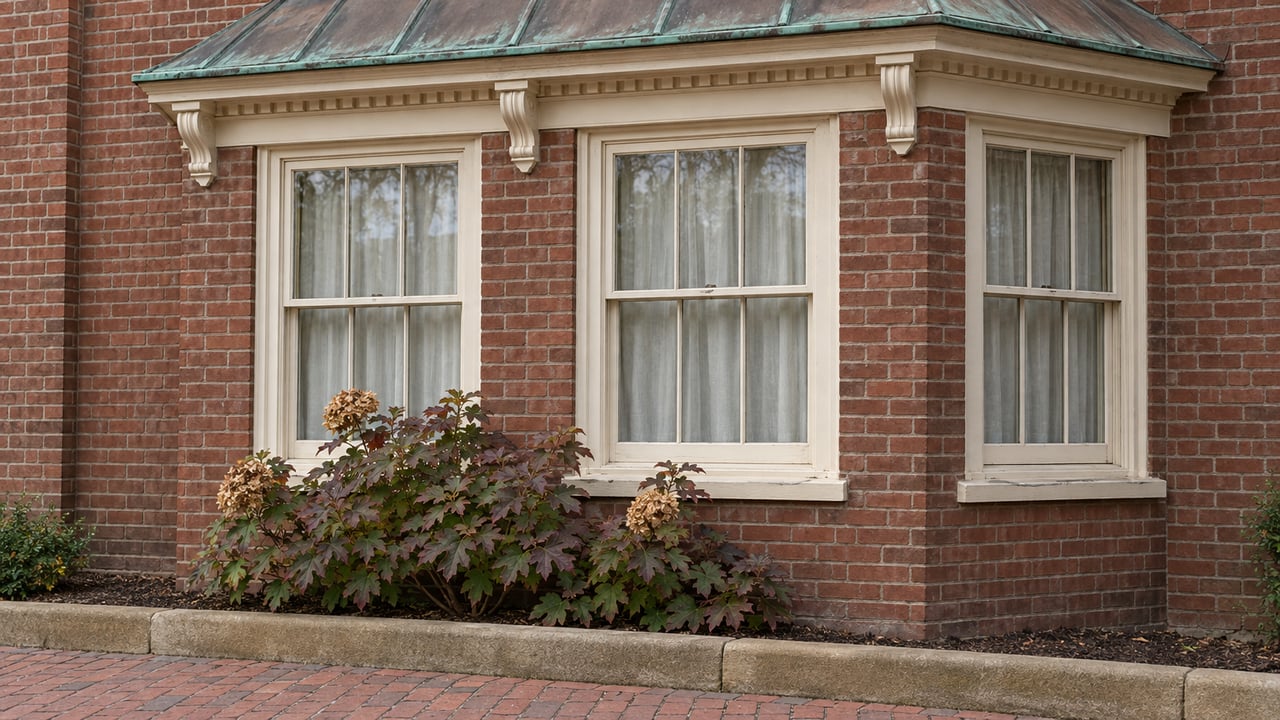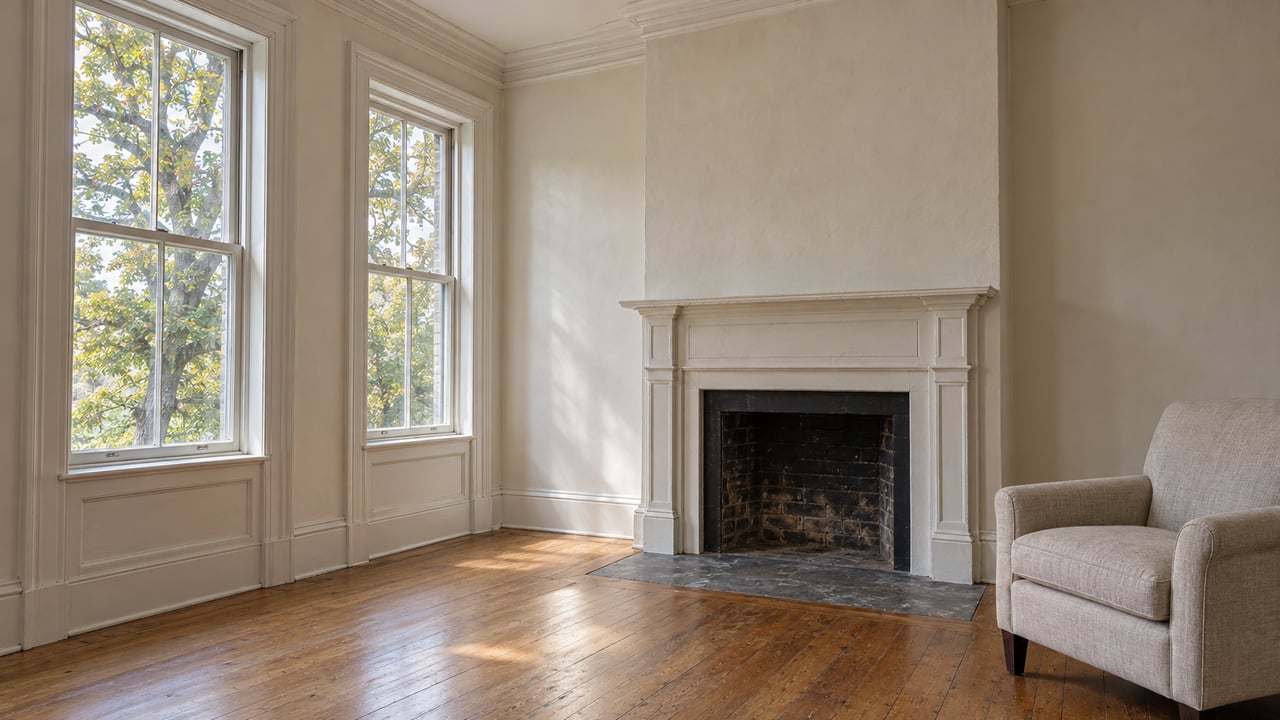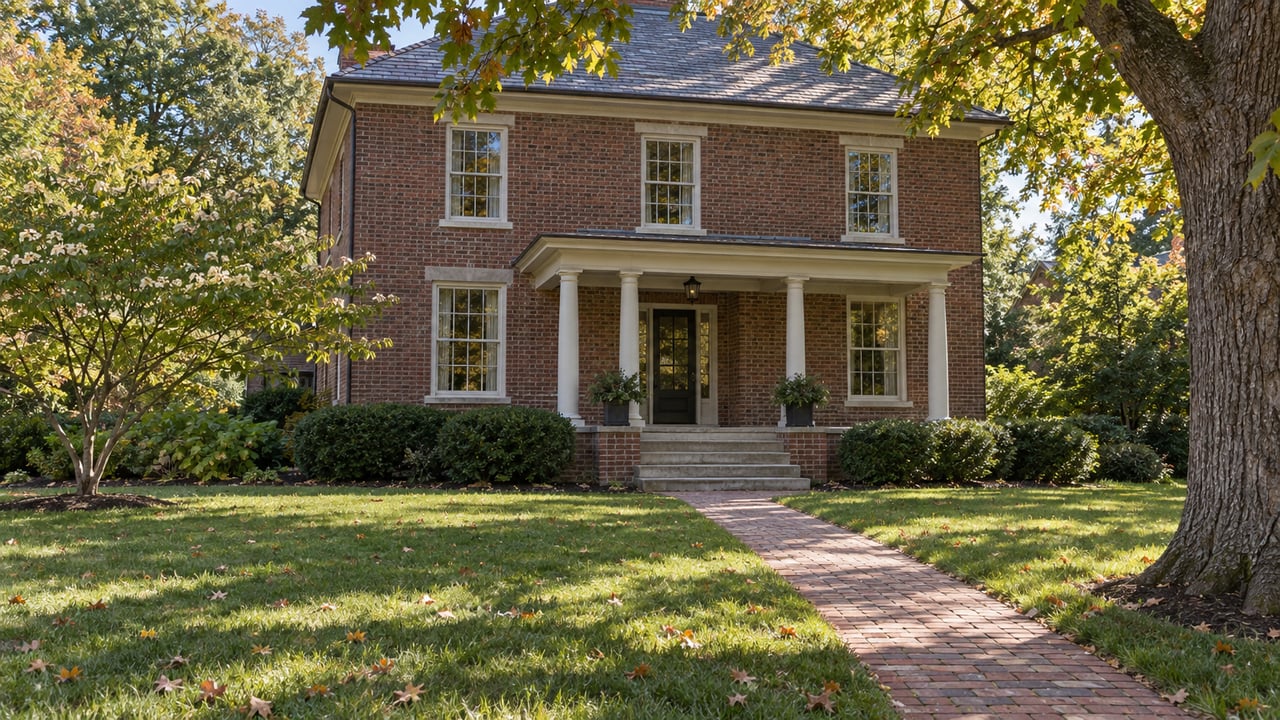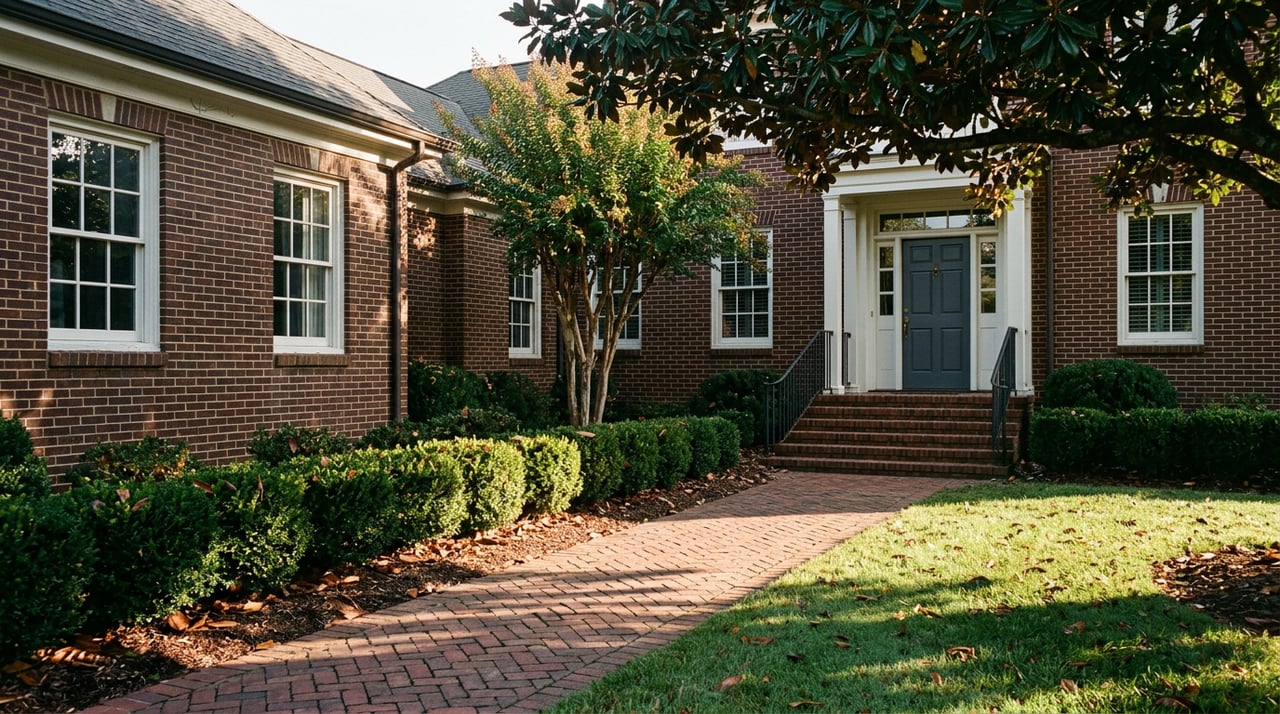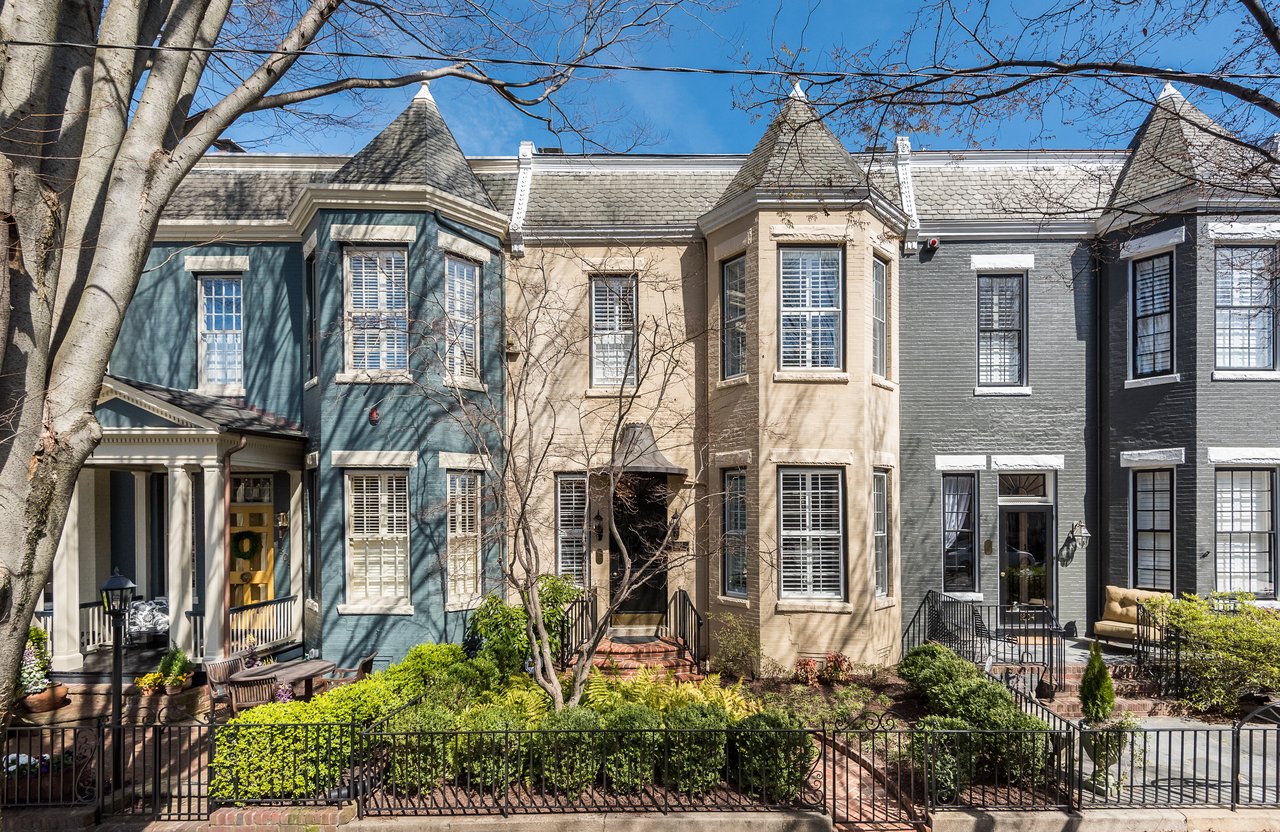
Selling in the Fan and Museum District: Why the Details Decide the Outcome
Homes in the Fan District and the Museum District do not sell the way homes do elsewhere in Richmond—and they certainly do not sell the way new construction or suburban properties do.
These neighborhoods operate on a different set of expectations. Buyers here are informed, selective, and deeply attuned to nuance. For sellers, that means success hinges less on broad market conditions and more on three interrelated decisions: pricing, timing, and presentation.
Get those right, and the market tends to respond decisively. Miss the mark, and even a very good house can linger.
Pricing: Precision Matters More Than Optimism
In historic neighborhoods, pricing is not an abstract exercise. Buyers are comparing your home not only to current listings, but to years—sometimes decades—of sales they already understand.
Overpricing is rarely neutral here. It changes the buyer pool immediately, often excluding the most qualified and best-prepared purchasers. Once a home is perceived as “aspirationally priced,” momentum becomes difficult to regain, even with later adjustments.
Correct pricing, by contrast, does something subtle but powerful:
it creates confidence.
When a house is positioned accurately—relative to its architecture, condition, block, and recent comparable sales—it invites serious buyers to act rather than wait. In the Fan and Museum District, that confidence often translates into stronger terms, not weaker ones.
Timing: When You Enter the Market Shapes the Result
Timing in these neighborhoods is less about the calendar and more about control.
Thoughtful sellers understand that the first days on the market carry disproportionate weight. How—and when—a home is introduced determines how buyers perceive its value and urgency.
Well-timed launches allow for:
-
Proper preparation without rushing decisions
-
Coordinated exposure rather than fragmented showings
-
Clear expectations around availability and offer review
Poorly timed listings, even in strong markets, can feel unsettled. Buyers sense hesitation quickly, and hesitation tends to invite negotiation rather than commitment.
In historic neighborhoods, pacing is not passive—it is strategic.
Presentation: Historic Homes Require Interpretation
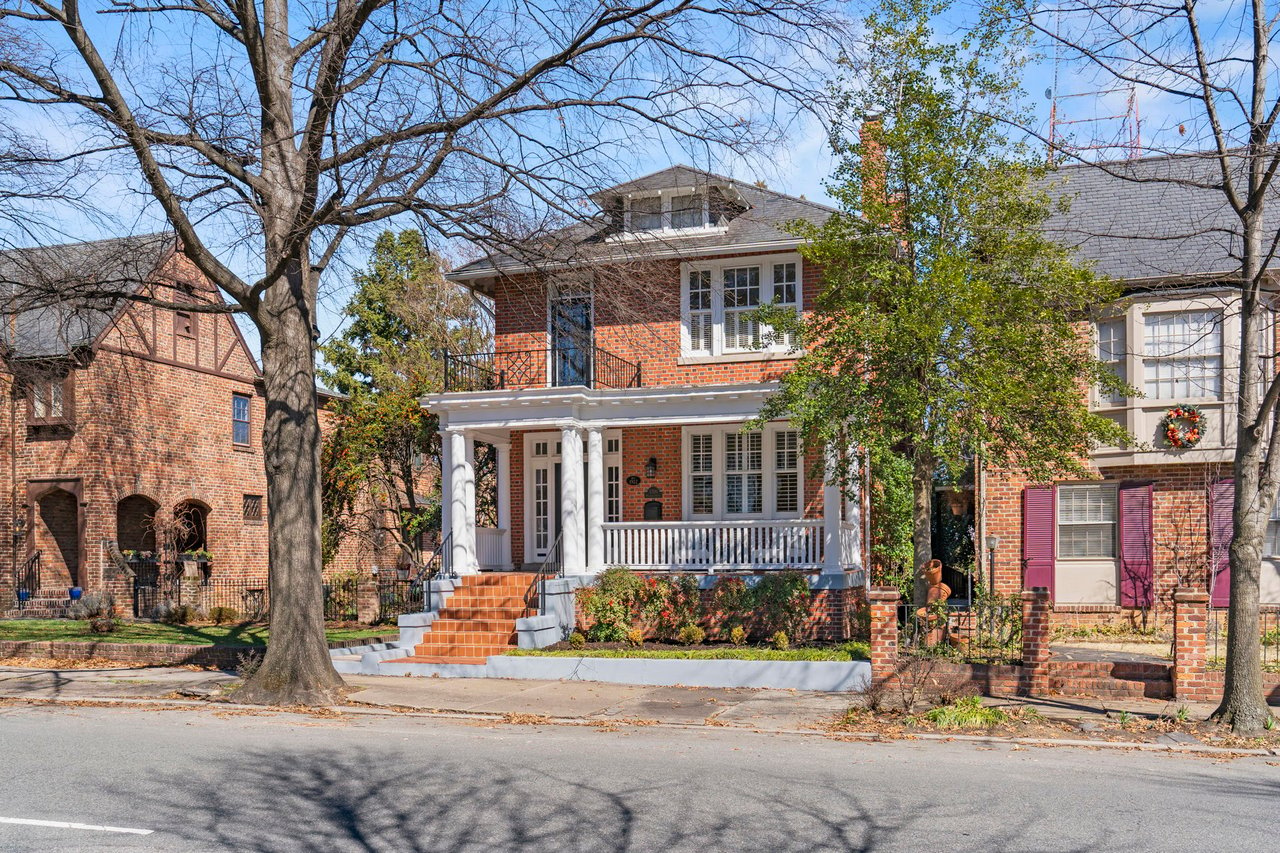
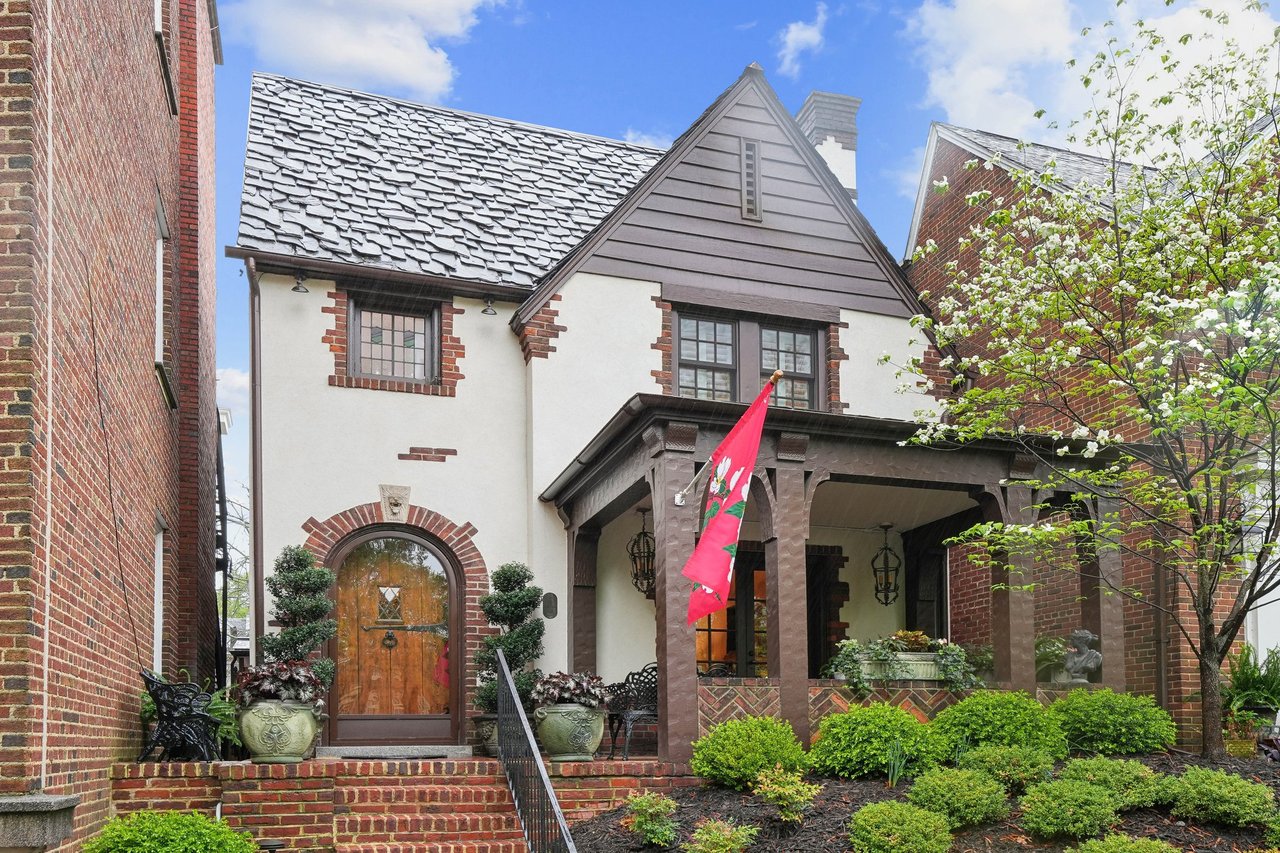
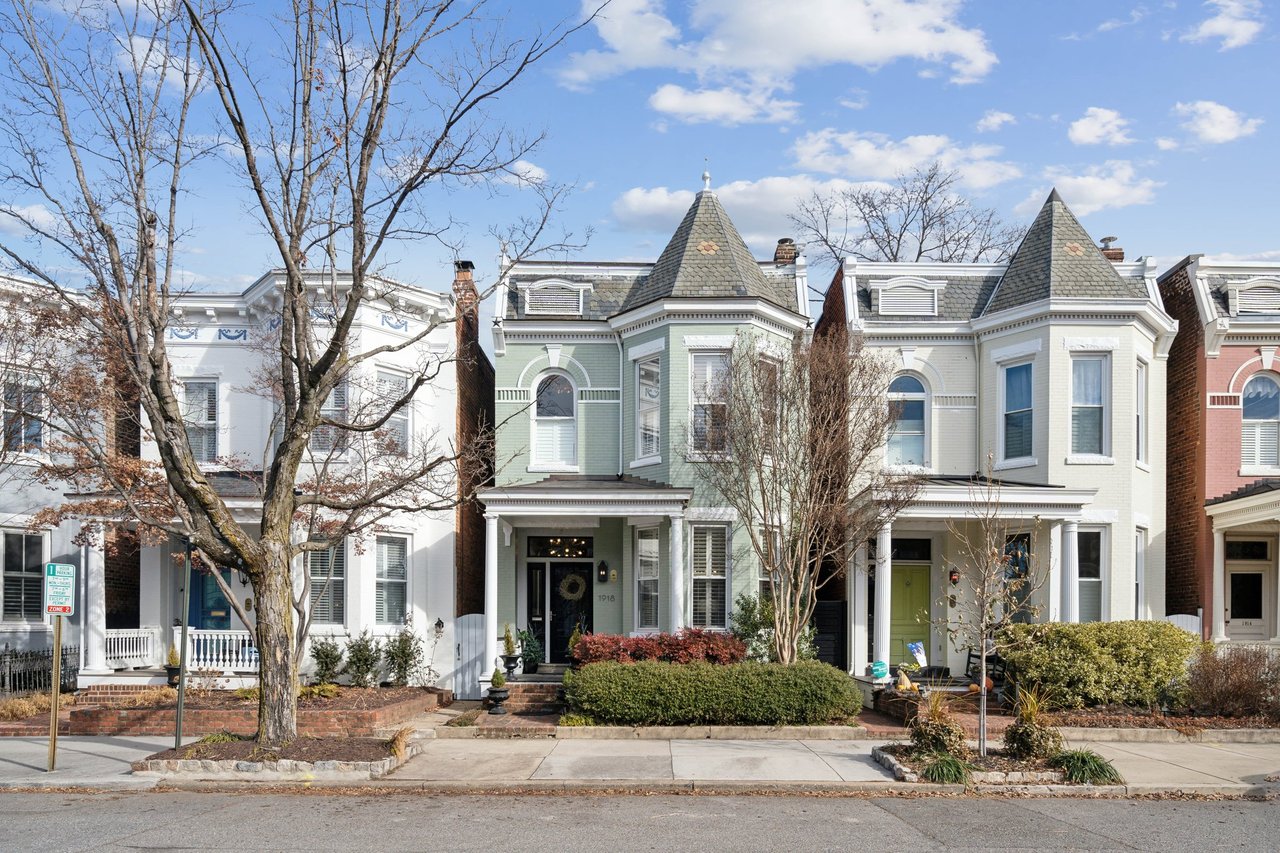
Presentation in the Fan and Museum District is not about decoration. It is about interpretation.
Buyers here are not simply purchasing square footage. They are buying:
-
Architectural lineage
-
Proportion and flow
-
A sense of place
That means every decision—from paint colors to lighting, from staging restraint to photography—should support the house’s original intent rather than compete with it.
The most effective presentations do three things:
-
Clarify how the house lives today
-
Respect what makes it historically credible
-
Allow buyers to imagine themselves as stewards, not renovators
Homes that feel overly styled, under-prepared, or misread architecturally tend to lose authority in the eyes of experienced buyers.
Why These Neighborhoods Are Unforgiving of Shortcuts
The Fan and Museum District reward experience—not theatrics.
Buyers notice when:
-
A renovation disrupts original proportions
-
A price ignores block-level realities
-
A listing feels rushed or reactive
They also notice when a home has been positioned by someone who understands how these streets have traded over time, not just this season.
That understanding does not come from templates. It comes from repetition, pattern recognition, and long familiarity with the neighborhoods themselves.
A Long View Benefits Sellers
The most successful sales in these districts tend to share a common trait: they are approached with a long view, even when the transaction itself moves quickly.
That long view considers:
-
How similar homes have performed historically
-
Which details truly influence value here
-
How buyers in these neighborhoods actually decide
Sellers who take this approach often find that clarity at the beginning leads to smoother negotiations—and stronger outcomes—at the end.
Final Thought
The Fan and Museum District are not experimental markets. They are established ones, with well-informed buyers and deeply ingrained expectations.
Pricing, timing, and presentation are not checkboxes; they are the framework. When handled with care and local understanding, they allow a home to speak clearly—and the market to respond accordingly.
For sellers, the goal is not simply to list a property.
It is to position it correctly, from the start.
For over four decades, Park27 and its predecessor, Small & Associates, have represented historic homes throughout the Fan District and Central Richmond, offering informed guidance shaped by experience rather than trends.