The Fan District — Richmond’s Enduring Residential Standard
The Fan District is not a neighborhood one discovers on a whim. It is one people arrive at deliberately—often after years of looking elsewhere—and then choose to stay. For more than a century, the Fan has represented a particular idea of city living: architectural gravitas, walkable elegance, intellectual energy, and a quiet confidence that does not chase trends.
For move-up buyers and long-time owners of historic homes, the Fan is less about novelty and more about continuity—of design, of values, and of daily life.
Architectural Character: Substance Over Spectacle
Developed largely between the late 1890s and the early 1930s, the Fan’s architecture is structural rather than theatrical. These homes were built to last, not to impress quickly.
Common architectural styles include:
-
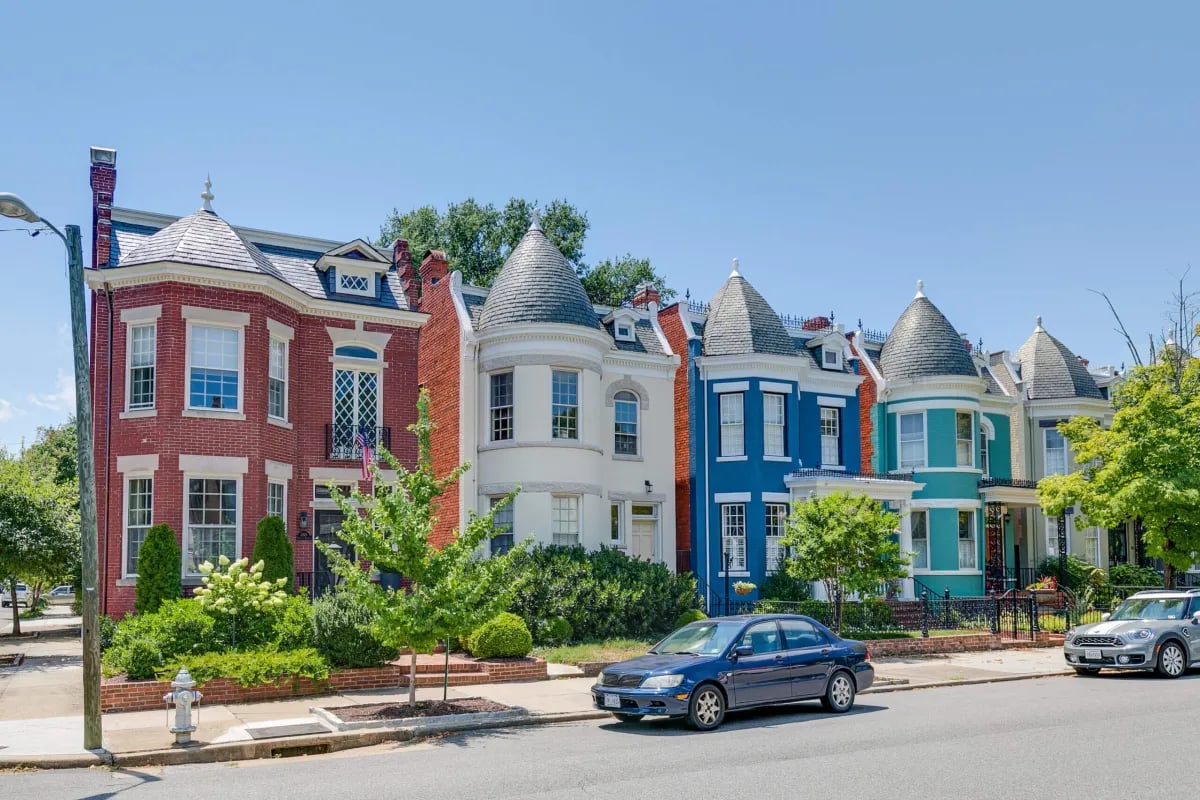
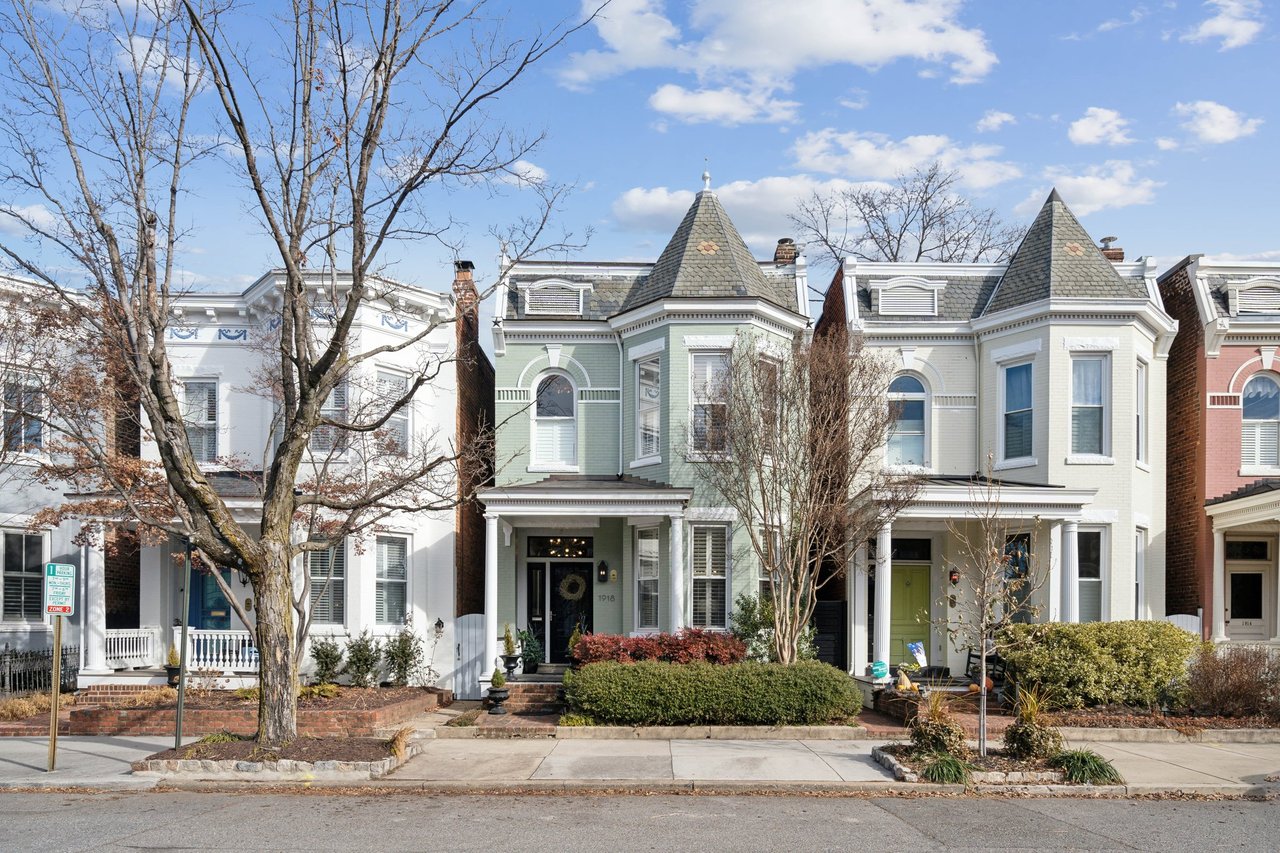
Queen Anne & Late Victorian
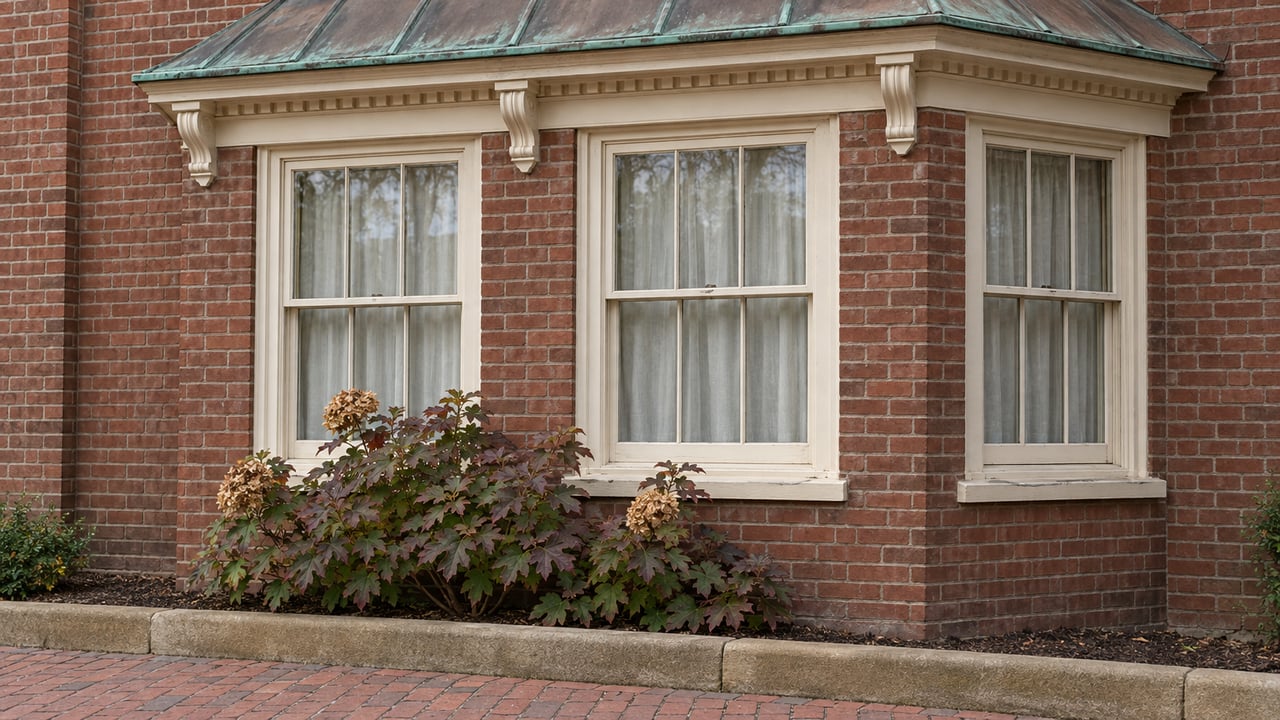
Asymmetry, turrets, bay windows, deep porches, and intricate woodwork—particularly prevalent toward the eastern blocks. -
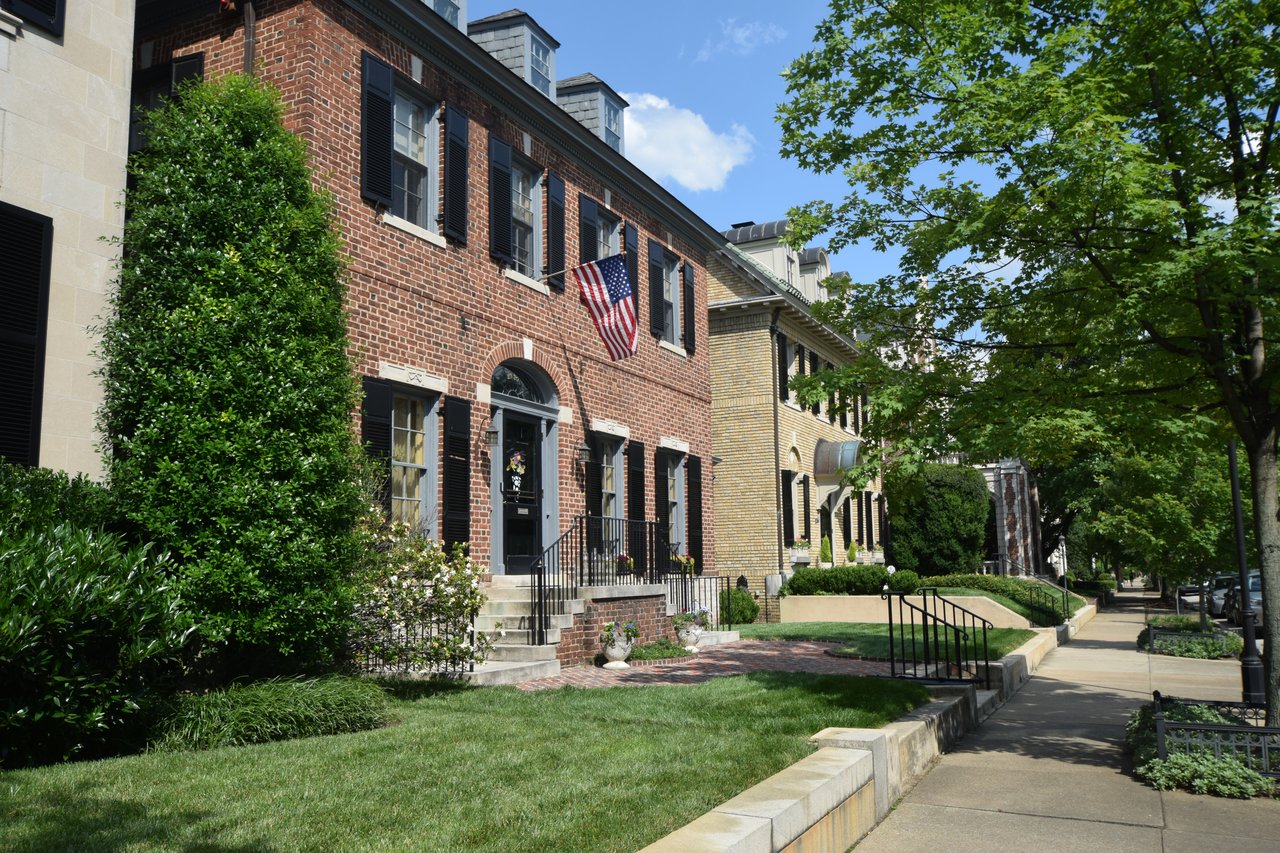
Colonial Revival & Georgian Revival
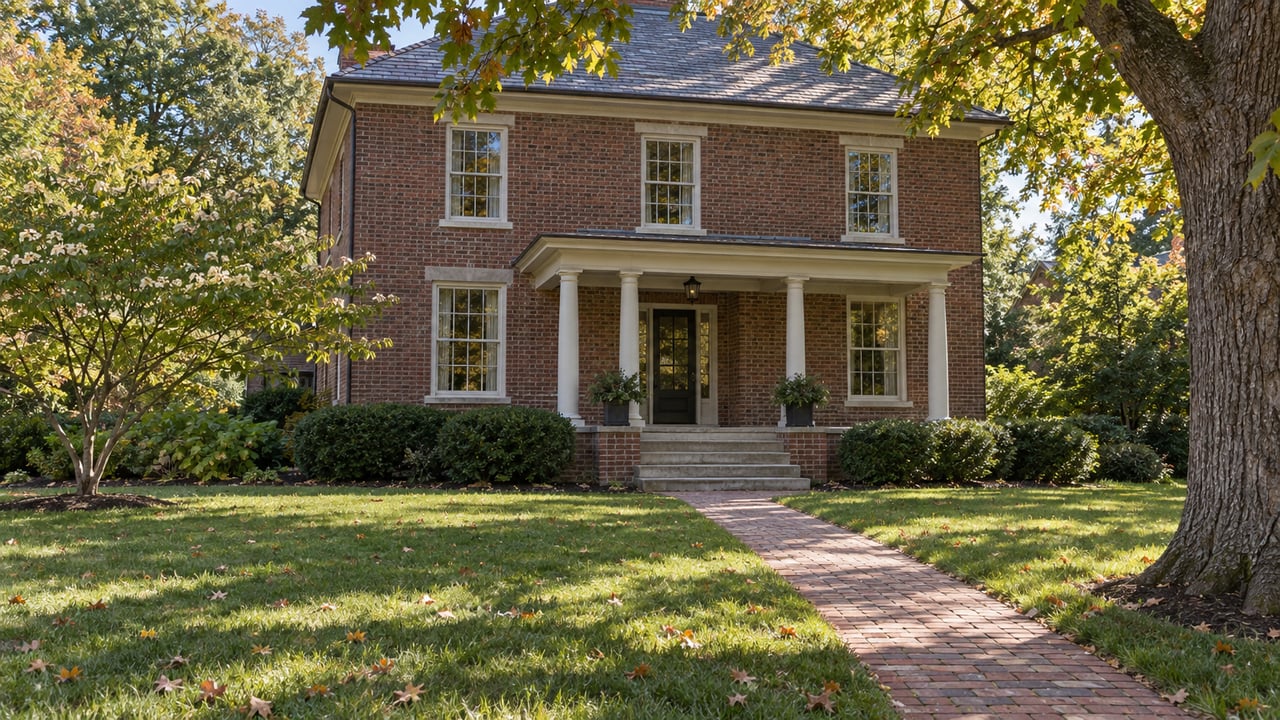
Brick façades, balanced proportions, classical detailing, and formal entries. These homes age exceptionally well and remain consistently sought after. -
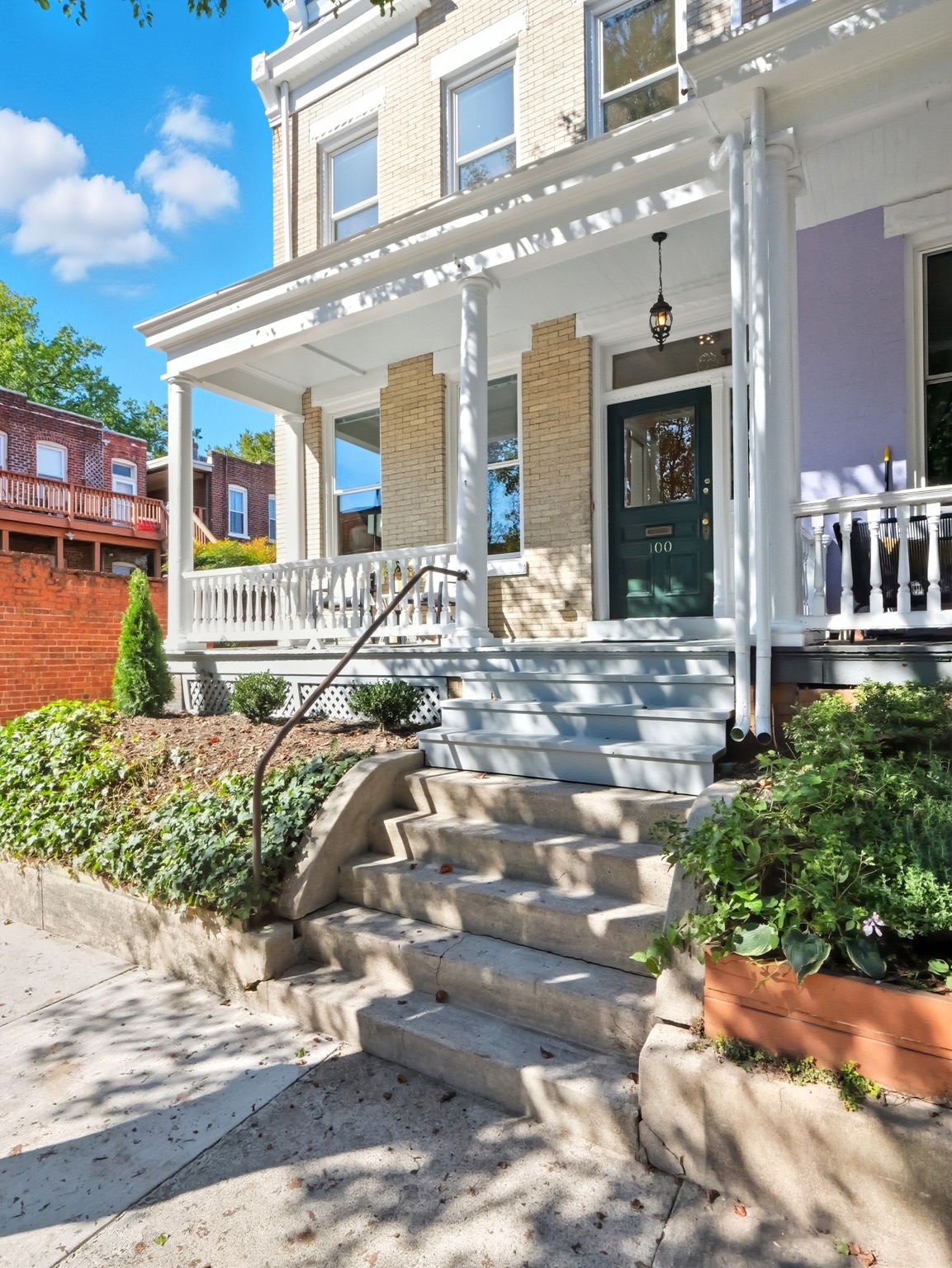
American Foursquare & Transitional Row Houses
Practical, generous interiors with strong bones—often the best blend of historic character and modern livability. -
Monument Avenue’s Beaux-Arts & Grand Revival Homes
Larger-scale residences with ceremonial presence, wide setbacks, and architectural distinction that rivals legacy neighborhoods along the East Coast.
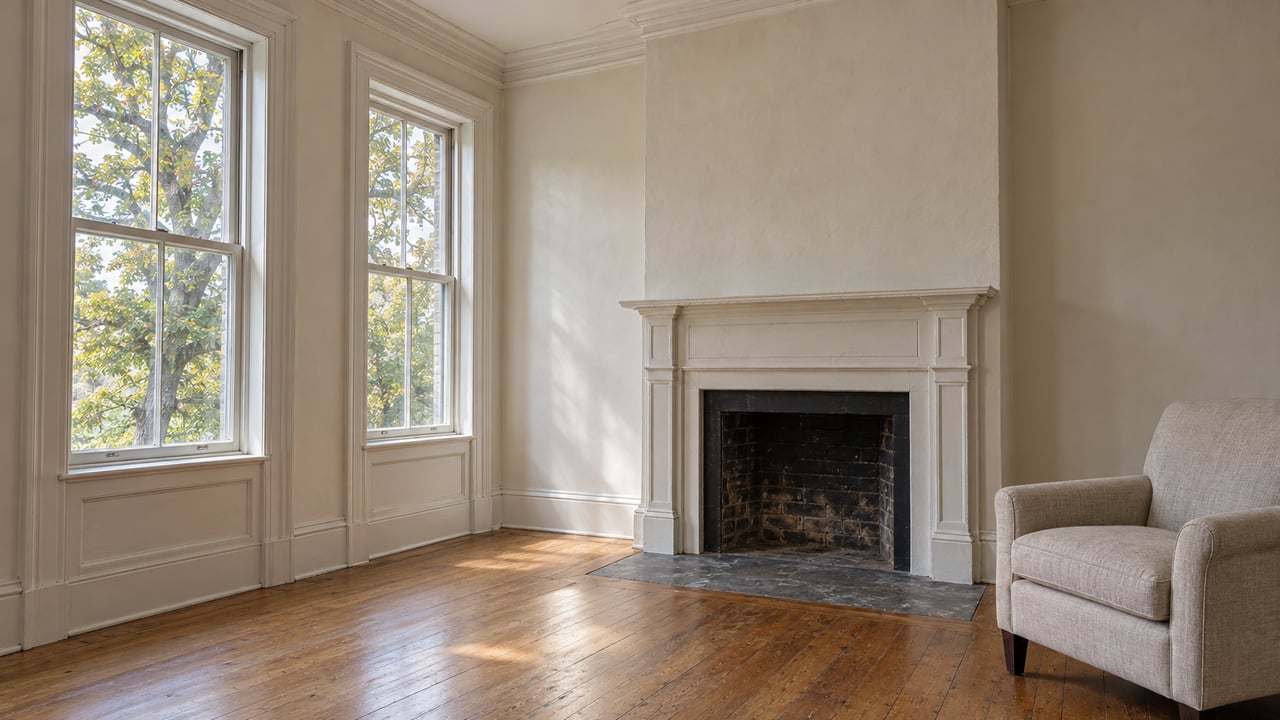
Ceiling heights are genuine. Staircases are meant to be used. Rooms are sized for living, not staging. Renovations that respect original proportions and materials tend to outperform those that chase fleeting contemporary styles.
Typical Buyer Profile: Intentional, Not Impulsive
Buyers in the Fan are rarely first-time purchasers. More often, they are:
-
Move-up homeowners leaving smaller historic properties or established suburban homes
-
Professionals with flexible or hybrid work schedules
-
Academics, physicians, architects, attorneys, and entrepreneurs
-
Buyers who value neighborhood rhythm over raw square footage
They are drawn less by a checklist of features and more by how a house feels on an ordinary morning—light through tall windows, coffee on a front porch, and the ability to walk to dinner without a plan.
What Drives Value in the Fan
While each block has its own micro-market, several factors consistently influence value:
-
Architectural Integrity
Original detailing, intact façades, and historically appropriate renovations command premiums. Authenticity matters here. -
Street and Block Placement
Grove, Floyd, Park, Hanover, Stuart, Kensington, and Monument carry enduring weight. Tree canopy, setbacks, and block rhythm all contribute. -
Parking (or the Absence of It)
Off-street parking increases value but is not a prerequisite. Buyers understand the trade-off. -
Renovation Quality
Kitchens and baths must function at a modern level, but finishes that overwhelm the architecture can quietly work against value. -
Scale and Flow
Homes that preserve room definition while offering sensible circulation tend to outperform both chopped-up Victorians and overly open renovations.
Parking Realities: A Known Equation
Parking in the Fan is not a surprise—it is a known condition.
-
Street parking is common and manageable for residents who understand patterns and permits
-
Rear alleys often provide access for parking pads or garages, particularly west of Meadow
-
Garages exist but are limited; when present, they command a premium
-
Corner lots and wider streets typically offer easier conditions
Long-time residents adapt quickly. The neighborhood rewards those who walk, bike, or plan modestly.
Who the Fan Is (and Isn’t) For
The Fan is for:
-
Buyers who value permanence over novelty
-
Owners who enjoy stewardship of an older home
-
People who prefer walking to driving
-
Those comfortable with layered, lived-in urban life
The Fan is not for:
-
Buyers seeking new-construction finishes without compromise
-
Those unwilling to manage older systems thoughtfully
-
Anyone expecting guaranteed parking at their front door
-
Buyers who prioritize privacy over community presence
This is a neighborhood where people notice one another—in a measured, civil way.
A Neighborhood Shaped by Long Stewardship
Since 1982, the Fan District has not merely been a place where homes change hands; it has been a neighborhood actively interpreted and guided by Small & Associates, and today by its successor, Park27.
Long before the Fan became shorthand for historic urban living, Small & Associates was already deeply embedded in its streets—selling homes on Grove, Floyd, Hanover, Park, Stuart, Kensington, and Monument during cycles when city neighborhoods were often overlooked. Through decades of market shifts, architectural fashions, and generational change, the firm maintained a consistent approach: respect for architecture, disciplined pricing, and a long view of value.
Park27 carries that lineage forward—not as a departure, but as a refinement.
Why That History Matters
The Fan is a neighborhood where context is currency. Pricing a 1905 Queen Anne or a 1918 Colonial Revival is not a formula exercise. It requires lived knowledge of:
-
How similar homes have traded across decades
-
Which renovations have aged gracefully—and which have not
-
How subtle block-to-block differences affect buyer perception
-
When restraint is rewarded over momentum
That judgment is cumulative. It cannot be recreated by data alone.
Because of this continuity, Park27 does not treat Fan District homes as interchangeable inventory. Each property is understood as part of a longer architectural and ownership narrative—one that buyers intuitively recognize and sellers benefit from when it is presented correctly.
Daily Life: Quietly Cultured
The Fan’s appeal is not loud. It is steady.
Mornings bring dog walks and coffee shops. Afternoons are tree-lined errands. Evenings mean porches, reservations made on foot, and conversations that happen naturally because people are out in the neighborhood.
It supports a life that feels established rather than curated.
A Long-View Neighborhood
For sellers, the Fan rewards patience, proper positioning, and respect for a home’s story. For buyers, it offers something increasingly rare: a place where architectural quality, social fabric, and long-term value align.
Trends come and go.
The Fan remains.
It always has.
This guide reflects over four decades of active involvement in Fan District real estate, offering buyers and sellers informed perspective rather than short-term market commentary.