Thinking about making Church Hill your next home but planning the move from out of town? That can feel exciting and a bit overwhelming. You want historic charm, walkable streets, and a smooth closing without surprises. This guide gives you a clear, week-by-week 90-day plan, plus practical tips on financing, inspections, permits, and remote closing so you can land confidently in Church Hill. Let’s dive in.
Why Church Hill works for relocators
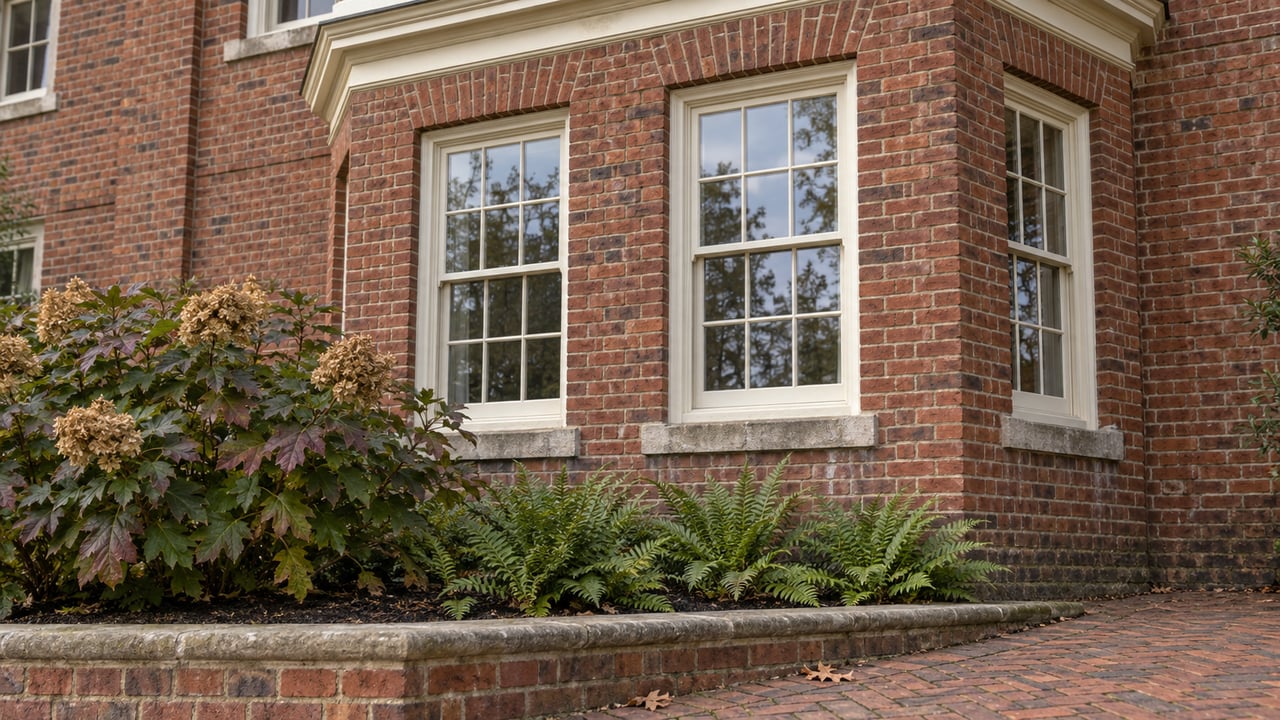
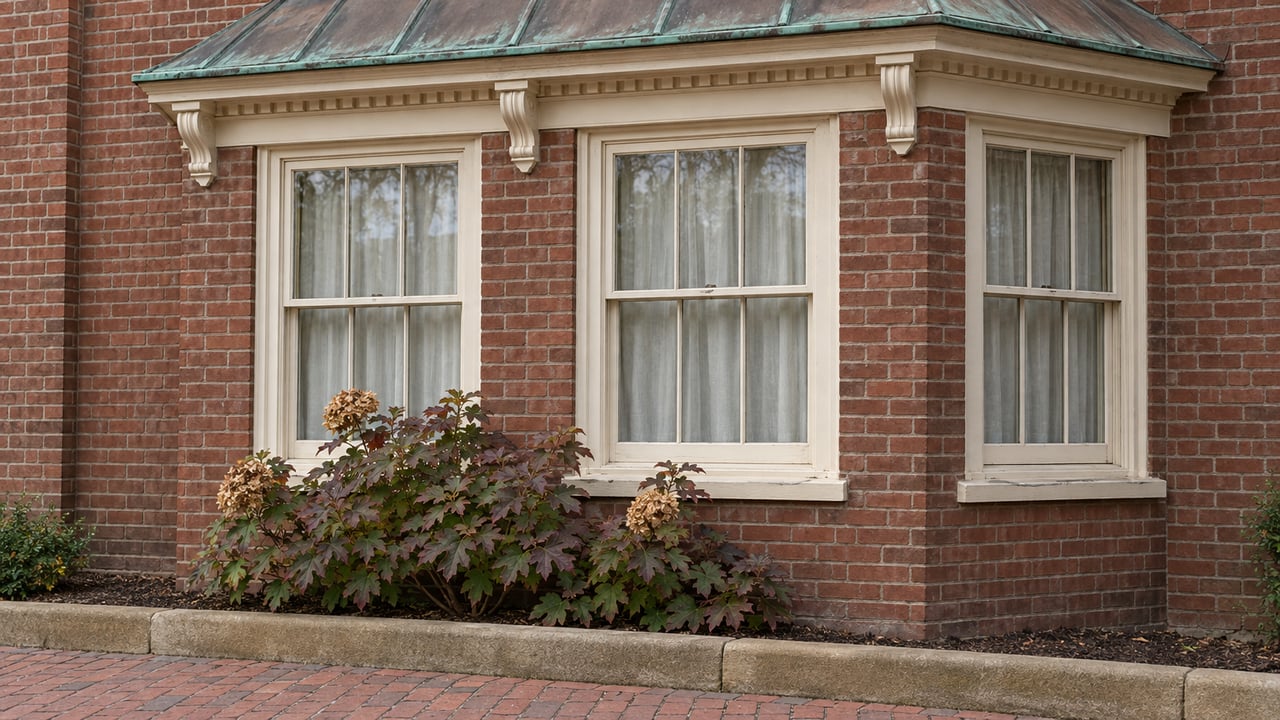
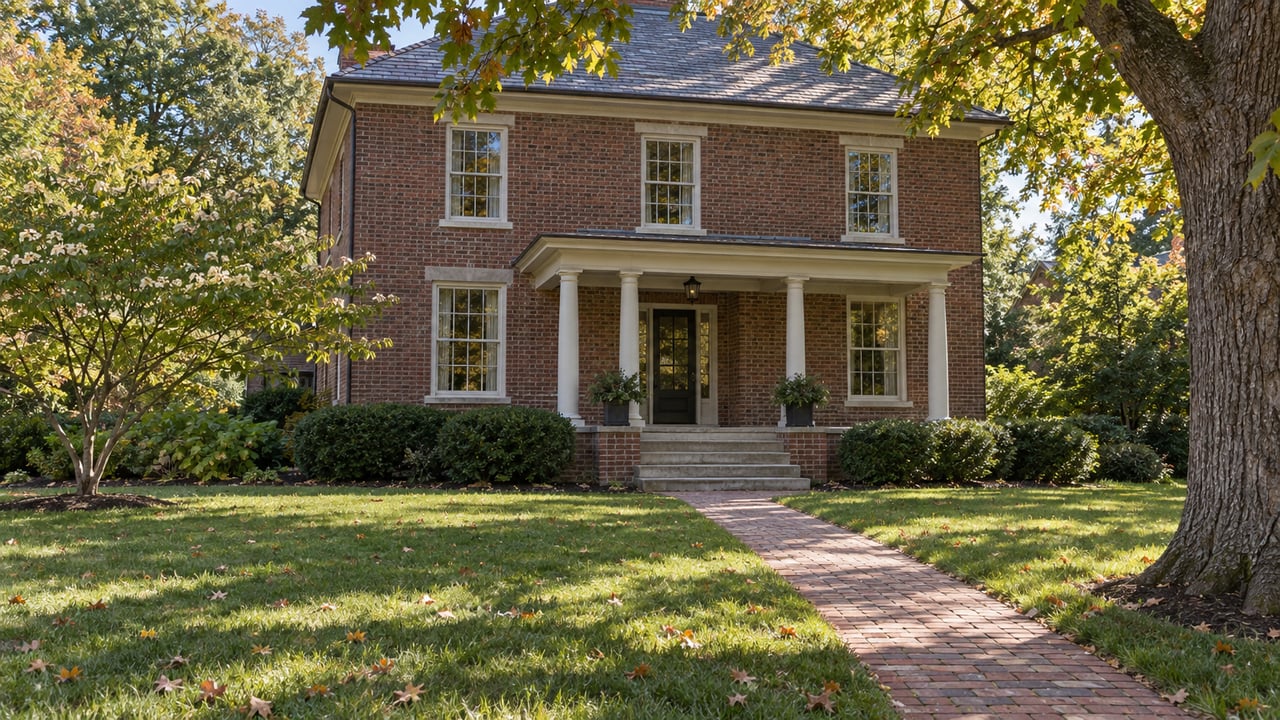
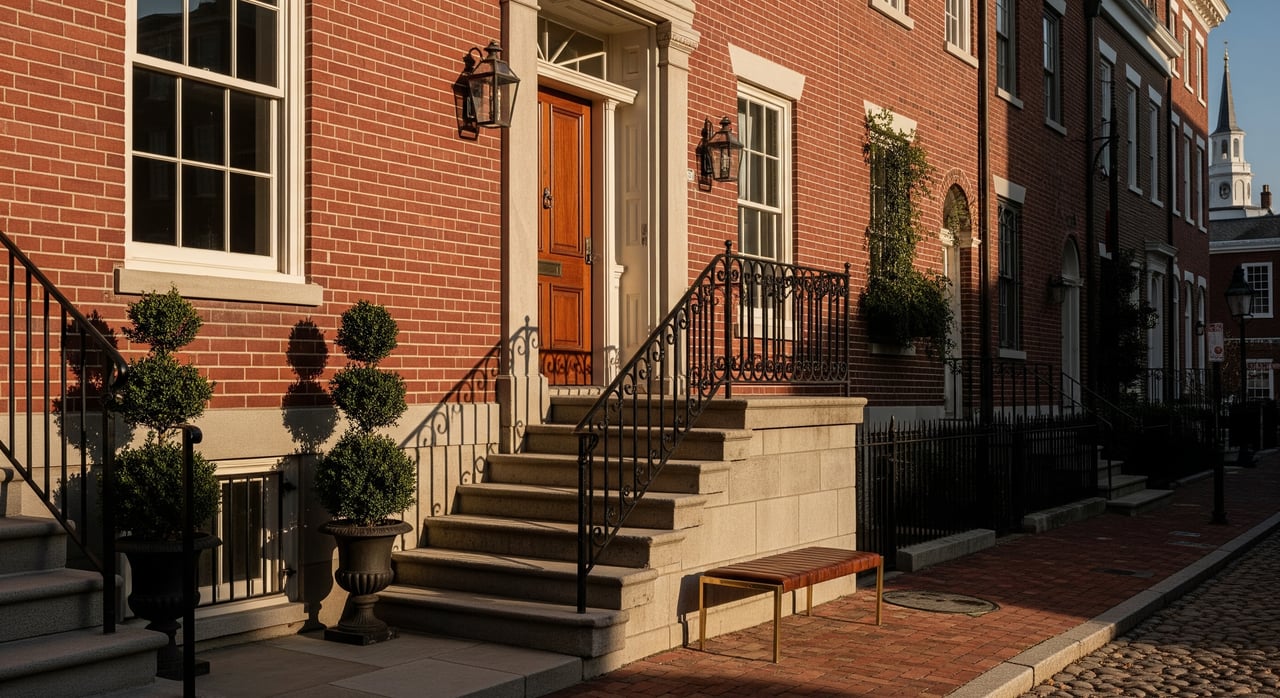
Church Hill sits just east of downtown Richmond with blocks of 18th and 19th century architecture, porches, and compact urban lots. You get quick access to downtown jobs, restaurants, and cultural landmarks, all within a tight-knit neighborhood setting. Many homes are rowhouses or narrow single-family homes with vertical layouts, so plan for stairs and limited off-street parking. Some properties are fully renovated while others offer room for restoration, which can be a plus if you want to customize over time.
Homes and historic rules: what to expect
Parts of Church Hill fall within local historic districts. Exterior changes like porch work, façade updates, or demolition may require review and permits. Before you plan a renovation, review the City of Richmond’s historic preservation guidance and approvals process. You can explore requirements on the City’s site under historic preservation and permits and inspections.
Flood exposure varies by parcel, especially near low-lying areas closer to the river. Always verify a property’s status using the FEMA Flood Map Service Center as part of your due diligence.
Financing and offer prep from afar
Church Hill often has lower inventory than nearby suburbs, and move-in ready homes can be competitive. You improve your position with a full mortgage pre-approval, not just a pre-qualification. Discuss loan options that fit historic homes, including renovation-friendly programs if the property needs work. Talk with your lender about appraisal timing and how you will handle any appraisal gap.
If you plan to buy with limited in-person visits, build a strong virtual plan. Ask your agent to arrange thorough live video tours, review disclosures, and gather any prior inspection reports. Keep inspection contingencies when possible. If you choose to offer more competitively, increase your due diligence with contractor walk-throughs and estimates. For market context and trends, you can review regional updates through the Richmond Association of REALTORS.
Your 90-day Church Hill plan
Use this week-by-week roadmap to move from research to keys in hand.
Weeks 1–2: Prepare and assemble your team
- Select a local buyer’s agent with Church Hill experience.
- Get a full mortgage pre-approval and gather proof of funds.
- Define budget, must-haves, commute preferences, and timing.
- Ask your agent to set up targeted listing alerts.
- Identify inspectors, contractors, a title company, and movers. Request quotes.
Weeks 3–4: Virtual due diligence and shortlisting
- Meet virtually with your agent to map subareas and discuss parking, walkability, and historic rules.
- Request live video tours or Matterport tours for top candidates.
- Review disclosures, any past inspection reports, surveys, and tax history.
- Plan an in-person tour window of 2–3 days if you can travel.
Weeks 5–6: On-site visit and decision window
- Tour your top 5–7 homes and walk nearby streets at different times of day.
- Test commute routes during peak periods.
- Meet inspectors or contractors for rough estimates on any work.
- Finalize offer strategy: price, contingencies, earnest money, timeline. Prepare for multiple-offer scenarios including escalation or appraisal gap strategies.
Weeks 7–8: Under contract — inspections and approvals
- Schedule a home inspection promptly. Add a sewer scope and specialized tests as needed.
- Secure contractor estimates for major items.
- Negotiate repairs, credits, or concessions based on findings.
- Lock your interest rate if applicable and provide all documents to your lender quickly.
Weeks 9–10: Appraisal, underwriting, and pre-closing
- Appraisal and underwriting proceed. Respond to lender requests fast.
- Bind homeowner’s insurance and send proof to the lender and title company.
- Confirm the closing date and remote signing process.
- Book movers and storage, aligned with closing and possession.
Weeks 11–12: Final walkthrough and logistics
- Schedule the final walkthrough within 24–48 hours of closing.
- Confirm wire instructions directly by phone with your settlement officer.
- Start utilities, set up internet, and arrange mail forwarding and locksmith services.
Week 13: Possession and post-move
- Receive keys and confirm utilities are on.
- Change exterior locks and prioritize essential setup.
- If you plan exterior work, submit any needed applications and coordinate with historic review staff.
- Set contractor schedules and connect with any association or neighborhood groups.
Inspections for historic homes
Historic properties can deliver character and long life when well maintained. They also come with systems that need careful review. Common items include brick repointing needs, porch and wood trim repair, aging roofs and gutters, and foundation settlement or sagging floors. Older plumbing, electrical, and HVAC systems may be undersized for modern loads and may require updates.
Plan a general inspection plus specialized checks: pest and termite, sewer scope for older lines, roof, and HVAC. For pre-1978 homes, discuss lead-based paint risk and plan for lead-safe practices if you renovate. If you suspect older insulation or duct materials may contain asbestos, consult an appropriate professional. Use inspectors and contractors familiar with Richmond’s historic housing so you get realistic repair approaches and permit guidance.
Temporary housing and moving logistics
If your purchase timing shifts or you prefer to renovate before moving in, short-term housing can bridge the gap. Options include furnished rentals, corporate housing, extended-stay hotels, or month-to-month apartments. Availability varies by season, so try to book 6–8 weeks ahead for popular dates.
Consider portable storage or a short-term storage unit if you need space during repairs. For long-distance moves, collect at least three written estimates and confirm pickup and delivery windows. A hybrid move can help: ship essentials first, then schedule remaining items after closing. Build in flexibility for weather or high season delays.
Utilities and city services
Plan to start electricity and internet 7–14 days before possession when possible. For water, gas, and other city services, review the City of Richmond’s Department of Public Utilities. Ask your agent to help you confirm trash, recycling, and any on-street parking rules near your new home. Some historic homes have unique meter locations, so give yourself extra time for setups.
Closing from a distance and wire safety
Virginia closings typically run 30 to 45 days, though timing depends on your lender and the contract. Title and settlement companies coordinate signing and funding. Many can arrange mobile notaries, local office signings, or technology-enabled closings. Confirm any ID verification steps early.
Wire fraud is a real risk. To protect your funds, do not rely on email-only instructions. Call your settlement officer using a verified phone number to confirm wiring details, and re-verify account numbers the day you send funds. Be cautious of any last-minute changes to instructions.
Local resources to bookmark
- City of Richmond historic preservation guidelines
- City of Richmond permits and inspections
- City of Richmond Department of Public Utilities
- FEMA Flood Map Service Center for flood zone checks
- Richmond Association of REALTORS for regional market context
- Richmond Public Schools and the Virginia Department of Education for school and enrollment information
Ready to make your move?
If Church Hill’s historic streets and close-in lifestyle fit your goals, you can relocate with confidence using the plan above. You bring the vision. We’ll help you navigate historic-district questions, property condition, and a clean, remote-friendly closing. For curated tours, strategic offer guidance, and principal-level support, connect with the Chris Small Group.
FAQs
Can I buy a Church Hill home sight-unseen?
- Yes, but use a strong virtual strategy: live video tours, thorough review of disclosures, inspection contingencies when possible, and contractor estimates for any major items.
How competitive is Church Hill right now for buyers?
- Inventory can be limited and move-in ready homes may attract multiple offers, so prepare with full pre-approval, clear timelines, and a sound escalation or appraisal gap plan.
Do historic-district rules limit what I can change?
- Exterior changes in designated areas often require review and permits through the City; check the City’s historic preservation guidance early in your planning.
How long does closing usually take in Richmond?
- Many contracts target 30 to 45 days, though timing depends on your loan program, underwriting, and the seller’s needs.
What inspections are most important for older homes?
- A general inspection plus pest and termite, sewer scope, roof, and HVAC checks are key; discuss lead paint and potential asbestos with qualified pros if applicable.
How do I avoid wire fraud during closing?
- Always verify wire instructions by calling your title or settlement officer at a known phone number and re-confirm account details the day you send funds.